HIV in Chad: Making a Difference in Central Africa
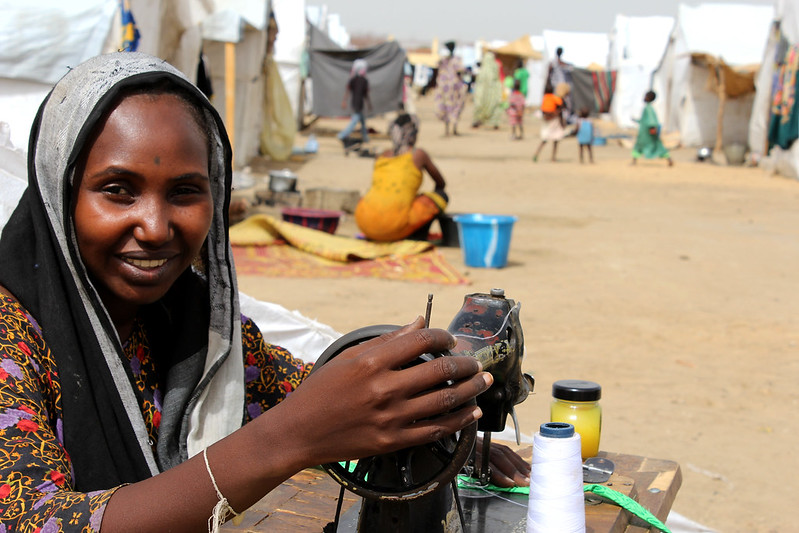
Chad is the fifth largest country in Africa. With a population of more than 18.5 million, Chad has approximately 210,000 people living with HIV. As of 2015, only 30% of people with HIV in Chad had access to antiretroviral treatment. Despite the limited access to HIV-related care, efforts are under way to increase the accessibility of treatment.
Poverty in Chad has exacerbated the HIV/AIDS epidemic. Many people in Chad lack access to housing, safe water, health care and sanitation. There is only about one medical doctor per 38,000 people in Chad. With basic care not well established and a lack of access to basic education, HIV/AIDS remains a leading cause of death among inhabitants.
Organizations Stepping Up in the Fight Against HIV in Chad
Since beginning the fight against AIDS in 1987, UNICEF has identified three groups of people living with HIV in Chad that need the most support. These groups are mothers, children between the ages of 0 and 14 and youth and adolescents between the ages of 10 and 24. HIV can be transmitted from mother to baby through delivery and breastfeeding. Only 75% of pregnant women have access to antiretroviral treatment in Chad. It is critical for mothers to receive the care they need to avoid passing HIV on to their children.
UNICEF supports programs and policies that eliminate mother-to-child transmission of HIV. It also supports Vision 90-90-90 of UNAIDS, which promotes screening at least 90% of people in need of care, then treating 90% and ensuring that 90% of those treated do not have a detectable viral load. UNAIDS has been working to end HIV/AIDS on a global level since 1996.
Community-led HIV testing and prevention has proved to be an effective strategy in reaching groups of people who did not have access to care before. UNAIDS uses this method to reduce the amount of new HIV infections in children and to provide care and services to women in need. In areas where it works, it has reached its goal of having no new cases of HIV in children, and all patients who are children are receiving care.
UNAIDS is now focused on investing in communities, such as certain regions in Chad, to make a difference in the fight against HIV. It wants to focus on the people living with HIV in Chad rather than just the disease itself. It is important to provide people with resources and services to make the largest impact. Taking this “people-centered approach” has accelerated the movement to end HIV/AIDS in Central Africa.
Focusing on the Future
Both UNAIDS and UNICEF are committed to caring for people living with HIV in Chad and ending AIDS by the year 2030. Supporting policies and interventions with the ability to impact the people of Central Africa is critical. Strengthening the communities and continuing to serve and provide resources for people gives hope to ending the HIV epidemic in Chad.
– Jacey Carey
Photo: Flickr
