How USAID Programs Aid Smallholder Peruvian Coffee Farmers
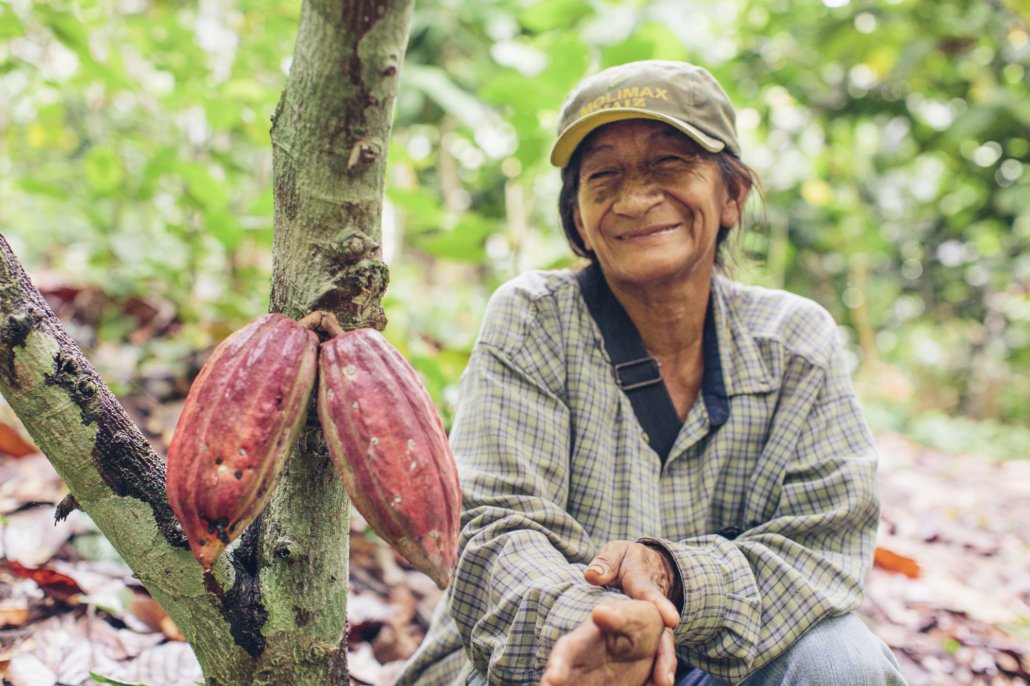
Located in South America, Peru has a GDP of $242 million as of 2022, according to the World Bank. With more than 200,000 acres of land dedicated to coffee farming, Peru is currently known as the “world’s largest leading exporter of organic coffee,” the U.S. Department of Agriculture says. The United Nations Development Programme (UNDP) notes that Peru exports coffee to more than 50 countries, with coffee making up one-fourth of its “national agriculture income.” Although Peru has boasted high success with this commodity, smallholder coffee farmers continue to struggle as their financial stability is dependent on coffee’s “delicate sustainability.” With challenges of market fluctuations, labor costs, disease, deforestation and changing weather patterns for Peruvian coffee farmers, support is imperative to ensure sustainability and stability.
The Work of USAID
The United States Agency for International Development (USAID) has instituted various programs to promote positive growth in coffee production in Peru. These programs will help coffee cooperatives to increase income, yields and access markets. The following programs by USAID aid smallholder Peruvian coffee farmers by providing funds, technical assistance, training and agricultural aid to increase sustainability and productivity.
Farmer-to-Farmer
The John Ogonowski and Doug Bereuter Farmer-to-Farmer Program recognizes the need to provide technical assistance to coffee farmers around the world. Since its authorization in 1985, this program has extended aid to more than 12,000 organizations and reached more than 100 million people in various countries.
From 2019 to 2023, Farmer-to-Farmer has aimed to provide services to 36 countries, including Peru. These services provide smallholder Peruvian coffee farmers with aid from U.S. volunteers, who have professional experience in farming, marketing and agriculture. These volunteers provide technology and business expertise, training small and medium enterprises on marketing, production, agricultural growth and problem-solving.
As the USAID website states, this program focuses on “promoting sustainable improvements in food security” so Peruvian coffee farmers experience positive economic growth and acquire knowledge to support their businesses. USAID anticipates that this $6.25 million USAID-funded program will train more than 40,000 people over five years.
Coffee Alliance for Excellence (CAFE)
With more than $13 million in funding from USAID, the Coffee Alliance for Excellence (CAFE) aims to multiply the incomes of smallholder Peruvian coffee farmers by increasing productivity and coffee bean quality. The program has also garnered more than $1.7 million in funding from USAID partners.
Coffee Alliance for Excellence (CAFE) is a USAID program that began in 2017 and is projected to run until late 2024. This USAID program partners with popular companies such as Peet’s Coffee and Starbucks Coffee. As a USAID publication states, this program is integral as it deters impoverished smallholder Peruvian coffee farmers from resorting to cultivating narcotics to secure an income.
CAFE aims to increase productivity through the training of farmers on efficient farming techniques, such as “low emission production practices.” CAFE also connects farmers with financial and marketing services to boost the success of their businesses. USAID reports that CAFE has brought about a “201% increase in household income of more than 8,380 families in the Amazon.” Furthermore, CAFE helped Peruvian coffee farmers to sell more than 45,000 metric tons of coffee, totaling more than $100 million, among other outcomes.
Specialty Coffee Community
Implemented in September 2021, this five-year program aims to boost farmer income in Peru by focusing on coffee bean quality during production. This involves “reducing/eliminating inefficiencies” and increasing market access for coffee farmers. Since the COVID-19 pandemic negatively affected jobs and productivity, this program recognizes the need to boost smallholder Peruvian coffee farmers in their trades.
With $5.7 million in program funding, USAID partnered with the Central Café & Cacao del Perú (Central), which connects 10 other Peruvian organizations and more than 2,500 coffee farmers to the cause. This program will involve the training of coffee farmers and various marketing and promotion exercises. By 2026, this program expects to triple the income of more than 3,000 Peruvian coffee farms, bringing coffee sales into a profitable margin.
Geni Fundes Buleje, director of this project, believes that Peru will “position itself as a producer of high-quality coffees in the world” through the work of this project, which aims to create “sustainable, efficient production, consistent quality and market access.”
Looking to the Future
While the COVID-19 pandemic negatively affected the production of coffee and its sustainability, programs by USAID have contributed funding, training and technical and agricultural assistance to smallholder Peruvian coffee farmers.
While coffee-growing regions face deforestation risks, environmental issues and market inconsistencies, these programs continue to boost Peruvian livelihoods by providing access to much-needed services. With the assistance of U.S. experts and private companies, the coffee market can continue to grow and lift coffee farmers and their families out of poverty.
– Kristina Gaffney
Photo: Flickr
