The Local Women Tackling Period Poverty in the Solomon Islands
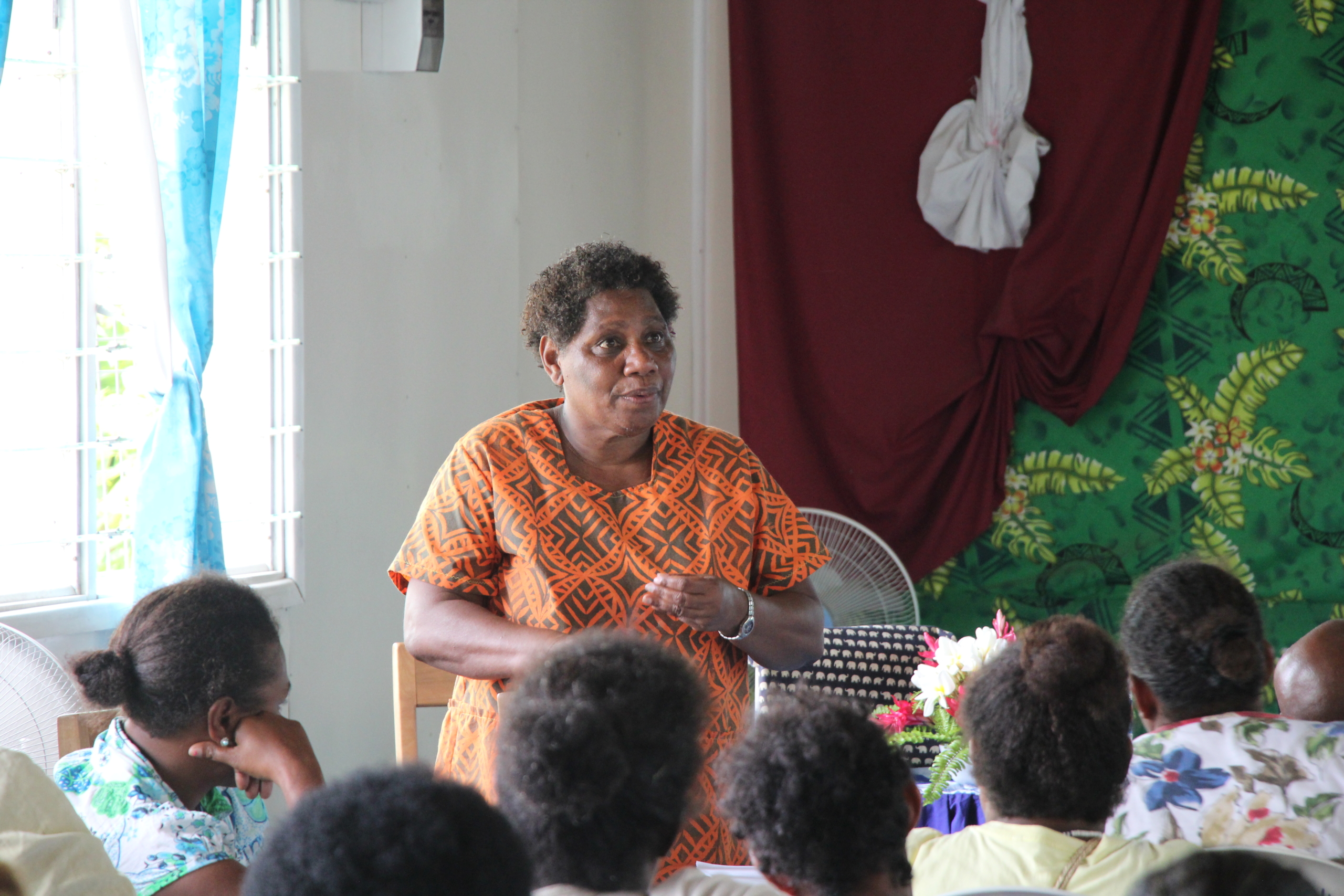 Managing menstruation hygienically and confidently is a human right, but one that many living in poverty are not granted. Long-established cultural norms and social stigma have meant that many girls are living in period poverty in the Solomon Islands, and are left uneducated and unable to cope when menstruating.
Australian Aid’s recent initiative, the New Targets Project, aims to improve sustainable access to water, sanitation and hygiene services. In its 2019 report of the principal island, it was found that 63% of women stated that they didn’t have enough money to purchase disposable sanitary pads and that 52% of women interviewed “still have questions or worries about menstruation.”
The Impact of Period Poverty on Girls’ Education
The powerful social stigma surrounding menstruation as something shameful and taboo translates into a widespread lack of understanding surrounding women’s and girl’s health. Without the knowledge nor resources to manage their periods, a worrying number of girls often miss school when menstruating, further exacerbating period poverty in the Solomon Islands.
The advocacy group Plan International found that while 70% of girls finish primary school, this figure drops to just 7% for secondary school. Amongst other factors such as underage marriage and gender-based violence, period poverty is a likely contributor to this figure.
The Women of Kwaio Communities Form a Solution
After overhearing her daughters and their friends talking about the embarrassment of attending school while menstruating, a Kwaio leader named Dorothy Esau decided that she wanted to make a difference in the lives of local girls.
As part of the Baru Conservation Alliance which is a Kwaio-led initiative committed to improving education, sustainability and maintaining positive cultural relations, Esau partnered with Dr. Michelle Redman-Maclaren of James Cook University (JCU) to find a solution.
The team wanted to create a pad that was sustainable and reusable to minimize long-term costs for the girls in need, which also needed to be hygienic in the hot, tropical environment of the Solomon Islands. Once a design plan was constructed, Esau recruited her cousins and other local women to create colorful and patterned reusable sanitary towels using sewing machines funded by JCU.
Long-Term Change in Local Schools
Once Esau and her team had the physical resources to ensure that girls were able to manage their periods without having to miss school, they needed to tackle the lack of awareness and education surrounding menstruation.
With little to no discussion of menstrual health in most school curricula, Esau asked a nurse to assist her when handing out the pads in a local school to help the students understand the biological process and educate them about female reproductive health. By offering a support system and a space to ask questions openly and without shame or ridicule, Esau and her team made huge strides in educating girls and reducing the stigma.
The team’s work has been so beneficial in ensuring that more girls are attending school that the principal requested that new girls be given the pads when they start secondary school. Other schools in the area quickly began to show interest in the program, as Dorothy has continued to tackle period poverty in the Solomon Islands and improve the quality of education for young women.
When discussing the growth of the program, Esau notes how no one’s contribution is too small to make a positive impact on the lives of others. She tells the women in her team, “We can start small, and that’s okay. Because small is beautiful. And after we work on the small system, we can help make a bigger project for the future.”
– Maia Winter
Photo: Flickr
