Disability Rights in the Gambia: A Way Forward?
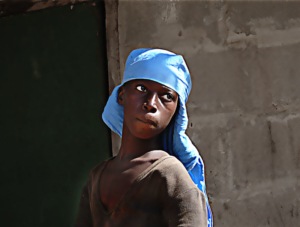 In The Gambia, 7.9% of the population (or just over 208,000 people) suffer from some kind of disability or condition that makes everyday life, work and interaction with society difficult. Health care systems in The Gambia have also taken a significant toll due to the impact of the COVID-19 pandemic, meaning that specialist treatment for disabled Gambians has been harder to find.
Background
Reports have also shown that health insurance coverage in The Gambia is extremely rare, both for those who are disabled and those who aren’t. Those with disabilities find themselves with less coverage than those without. Just 1.8% of disabled people have health insurance provided for them by their employer, and a mere 0.3% of those with disabilities have purchased private health insurance.
The unemployment rate disproportionately affects disabled Gambians as well, especially young people. Currently, 68% of disabled Gambians between the ages of 15-24 are unemployed, compared to 50% for those who are not disabled, and half of disabled Gambians are also not in education, employment or training, compared to 34% of those without disabilities.
Without a proper education or career prospects, people living with disabilities in The Gambia are unlikely to fully integrate into society or earn good wages, landing them at further risk of exclusion and poverty. Recently, there have been various developments that may make life easier for those living with disabilities in The Gambia, both from the Gambian government and from private companies.
The Gunjur Inclusion Project
The Gunjur Inclusion Project (GIP) was formed in The Gambia in 2011 by its parent company, Disability Africa, and focuses specifically on helping children and young people with disabilities in the country. Based in the south-western coastal town of Gunjur, GIP has had a small, yet growing and meaningful impact on the lives of disabled youngsters in the town and across the country.
The heart of GIP is in its playschemes, a series of activities targeted specifically at children that allow disabled children who have been previously excluded from childhood interactions to enjoy their childhood. These playschemes have been proven to reduce both the mental and physical isolation of disabled children while allowing them to integrate into society and learn essential social skills. They also guarantee that every child involved has a hot meal, reducing the risk of malnutrition among disabled children, a group that is particularly vulnerable.
The GIP also has initiated its Finding 500 (F500) program, dedicated to locating disabled Gambian children who are isolated at home and supporting the inclusion of these children into GIP playschemes and local schools. With the F500 initiative, the GIP intends to destroy the stigma surrounding disabled children in education and society and has been working with Gambian teachers to better understand how to protect these vulnerable children.
The Gambian Disability Bill
In August 2021, the most important piece of disability legislation in Gambian history entered into force following over a decade of support. The Persons with Disabilities Bill provides essential health care and social services for disabled people in The Gambia and was greatly welcomed by the Gambia Federation of the Disabled (GFD), whose chairperson praised the bill for allowing disabled Gambians to hold the government accountable where previously they had neglected the disabled community.
By upholding the rights of disabled people in The Gambia, the act not only promotes the social inclusion of those who had previously felt isolated from wider society but also supports The Gambia’s international commitment to the Convention on the Rights of Persons with Disabilities. The law provides the Gambian government with a crucial instrument that can be used for the advancement of disabled people in Gambian society, guaranteeing them the legal right to education, health care and work.
– Tom Lowe
Photo: Flickr
