Addressing Somalia’s Drought-Induced Humanitarian Crises
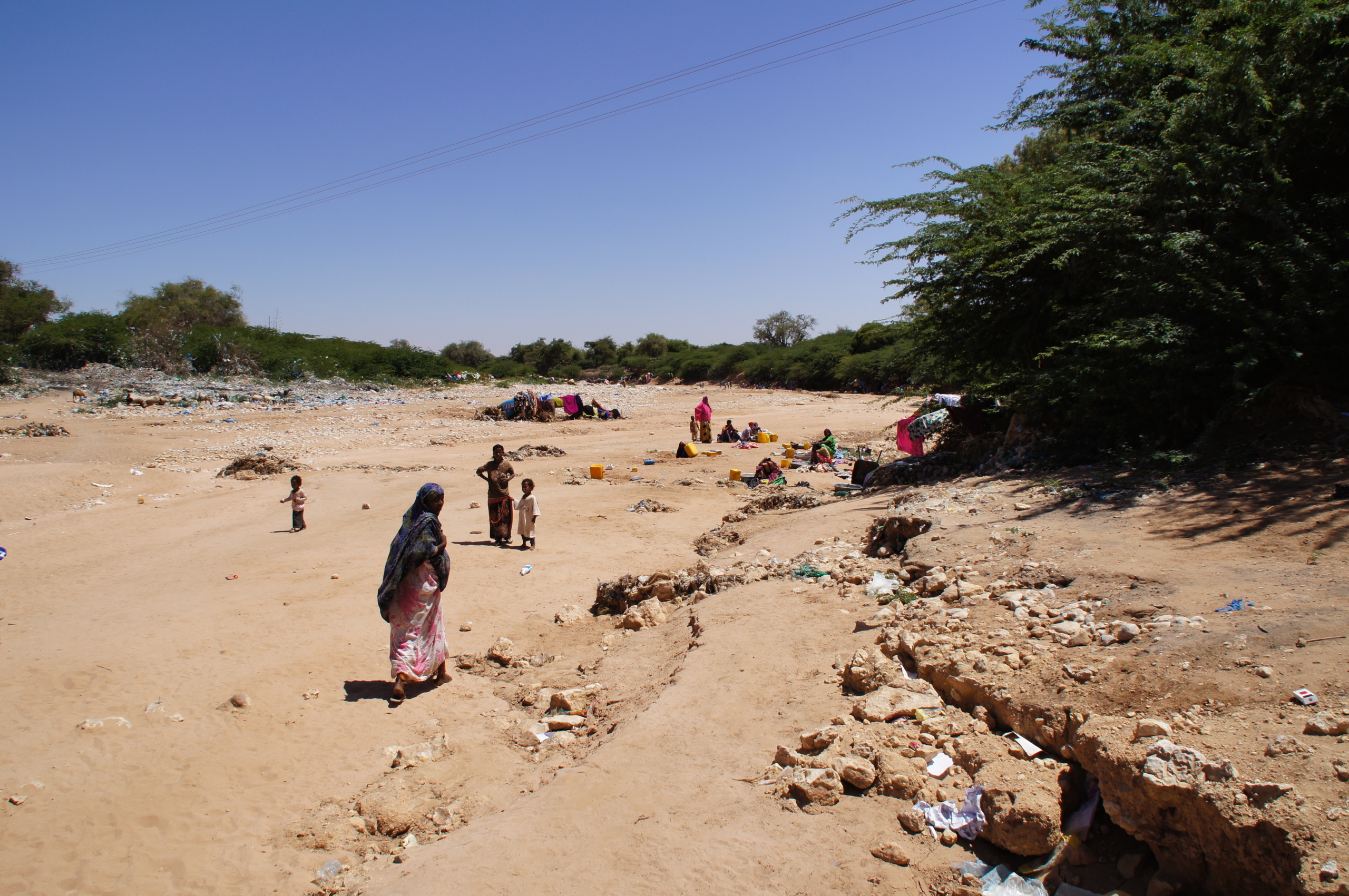 Somalia, a nation plagued by decades of war and a series of natural disasters, is currently grappling with the most severe drought in its history. The effects of Somalia’s drought-induced humanitarian crises have been devastating, leading to widespread poverty. According to the World Bank, Somalia is projected to face a poverty rate of about 73% in 2023.
The Cycle of Drought and Despair
Somalia’s geographical location makes it highly susceptible to irregular and insufficient rainfall, resulting in cyclical droughts that have far-reaching impacts. These droughts disrupt agricultural activities, reduce water availability and contribute to food shortages, subsequently leading to malnutrition, disease outbreaks and displacement. Pastoral communities, heavily reliant on livestock, suffer devastating losses as their animals die due to lack of water and forage.
The lack of rainfall has resulted in the depletion of water sources, failed crops and widespread livestock losses. These factors have left millions of Somalians facing acute food and water shortages, pushing them to the brink of famine. According to the Government’s Minister of Health, an estimated 43,000 excess deaths occurred in 2022 due to the drought. The situation remains dire, with approximately 8.3 million people, nearly half of the country’s population, urgently requiring humanitarian assistance.
The International Rescue Committee is offering crucial assistance to the Somali population. Shashwat Saraf, the IRC’s regional emergency director for East Africa, emphasized that the crisis in Somalia is far from resolved and is intensifying with each passing day. Without a significant increase in resources dedicated to the response, famine may occur before the end of the year. The IRC’s aid in Somalia centers on “health, nutrition, water, sanitation and hygiene (WASH), economic recovery and development (ERD), women’s protection and empowerment. As of December 2022, we have reached almost half a million drought-affected people in Somalia,” the IRC website highlights.
In the face of Somalia’s drought-induced humanitarian crises, many families have no choice but to migrate in search of water, food and better living conditions. More than 1 million people had to leave their homes due to dire conditions. Forced migration often leads to overcrowded settlements in urban areas, straining resources and basic services. Additionally, competition for limited resources can escalate tensions, potentially sparking conflicts between communities, the UNHCR explains.
Response and Challenges
Somalia’s drought-induced scarcity brings about significant health challenges. Insufficient water supply and poor sanitation conditions contribute to the spread of waterborne diseases like cholera and dysentery. Malnutrition rates escalate, leading to stunted growth and weakened immune systems among children. This, in turn, increases susceptibility to various infections and diseases, creating a vicious cycle of suffering. “Over 8.3 million Somalis (49[%]of the population) are expected to face high levels of acute food insecurity between April and June 2023 and about 1.8 million children under five are likely to face acute malnutrition through June including over 513,000 who are expected to be severely malnourished,” ReliefWeb said in February 2023.
The international community has responded to Somalia’s drought-induced humanitarian crises with a combination of emergency relief efforts, long-term development initiatives and capacity-building programs. Humanitarian organizations, such as UNICEF and the International Organization for Migration (IOM), provide food aid, clean water and medical assistance to those affected. International organizations have made efforts to improve water infrastructure, develop drought-resistant agricultural techniques and enhance early warning systems for disaster preparedness.
However, several challenges hinder effective response and recovery. Ongoing conflict and instability in certain regions impede the delivery of aid and development efforts. Insufficient funding often limits the scale and sustainability of humanitarian interventions. Additionally, extreme weather patterns exacerbate the frequency and intensity of droughts, making long-term solutions more complex to achieve.
Breaking the Cycle of Devastation
Somalia’s drought-induced humanitarian crises highlight the urgent need for sustainable solutions. International cooperation, investment in resilient infrastructure and a focus on climate resilience strategies can contribute to building a more secure future for Somalia’s population. As the world faces the growing challenges of extreme weather patterns, acknowledging and addressing the plight of nations like Somalia becomes crucial in preventing further human suffering and fostering global stability.
– Dunia Matta
Photo: Flickr
