How Heat Pumps Can Help the Poor Face Extreme Temperatures
 Annually, 5 million people die due to exposure to extreme temperatures, encompassing 9.4% of all deaths yearly. While the majority of these deaths are due to exposure to the cold, deaths related to excessive heat are rising. The highest rates of excess deaths, meaning the number of deaths that exceeded the expected number for a given year, related to exposure to both heat and cold occur in less developed regions: from 2000-2019, Eastern Europe faced the highest rate of heat-related deaths, while the highest rate of cold-related deaths in the same period appeared in sub-Saharan Africa.
It appears that an effective way of preventing these deaths is to utilize heating and cooling technologies such as air conditioning units, furnaces and boilers. Even so, 3 billion people did not have access to modern sources of energy for cooking and heating in 2016, and only 8% of the 2.8 billion people living in the hottest countries in the world have access to air conditioners.
Researchers expect these numbers to shift in the future, with 5 billion more AC units projected to be sold by 2050 as incomes grow globally and new markets emerge, as is the case in countries like India, Indonesia and Mexico.
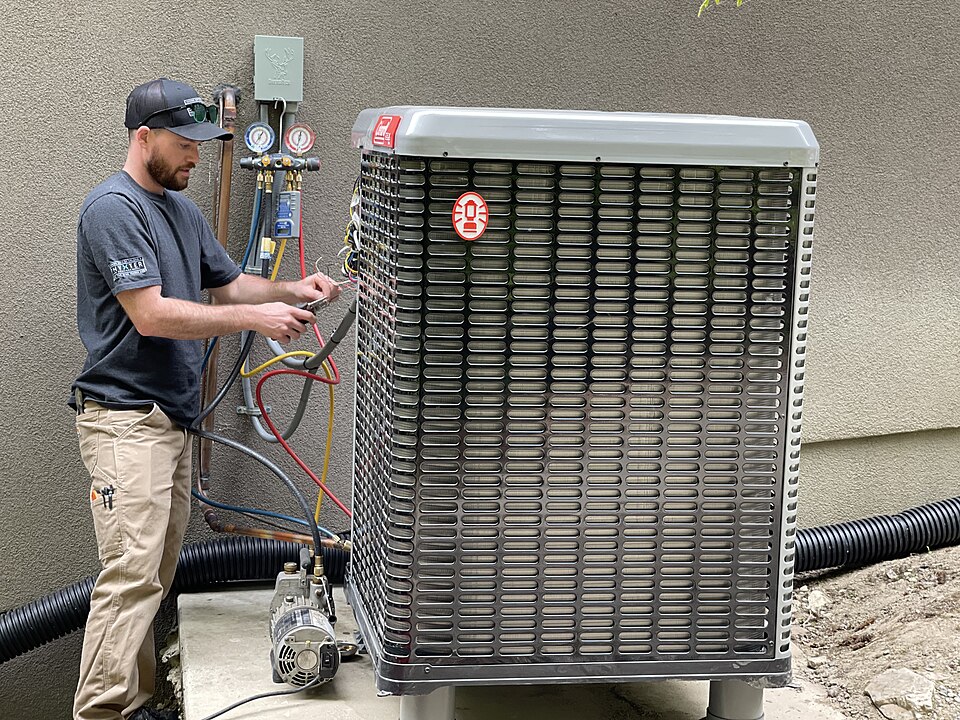
There is, however, a movement slowly rivaling the rise of air conditioning: heat pumps. Heat pumps are devices that can both heat and cool homes and utilize energy that is cleaner, safer and more efficient than traditional methods of heating and cooling. As temperature-related deaths continue to affect millions each year, particularly in developing countries, heat pumps could provide the best solution.
Sustainability
There are two types of heat pumps: air-to-air heat pumps, which pump outdoor air into a house to raise or lower the temperature, and air-to-water heat pumps, which convert outdoor air into water that is either cooled or heated. Air-to-air heat pumps are cheaper than air-to-water heat pumps and more efficient, although air-to-water heat pumps eliminate the need for a separate hot water system. Electricity often powers both kinds of heat pumps.
What sets heat pumps apart from AC units is that they are more than 100% more efficient and consume far less electricity than air conditioning, resulting in very low carbon emissions. AC units are responsible for 10% of all electricity consumption, with heat waves often straining the power grid to the point of causing blackouts in several countries.
Heat pumps can also replace traditional methods of heating when addressing extreme temperatures. For families that still use fuel burning as a source of heating, heat pumps are a valuable resource, as burning solid fuels like wood or coal is hazardous due to the amount of indoor air pollution it causes and is not sustainable as a result of the amount of harvesting and mining it requires. Heat pumps eliminate both of these issues, functioning as a modern source of energy that keeps users safe. For those with furnaces or boilers in their homes, heat pumps still represent an advantage, as they are more efficient in producing heat and do not require oil or gas, which produce a large amount of carbon emissions. As of now, heating systems such as these produce 10% of all carbon emissions.
There are also heat pumps that run on geothermal or solar power, both renewable forms of energy that produce no carbon emissions. These heat pumps are an even more sustainable option than those powered by electricity, as they do not rely on fossil fuels whatsoever because they do not put any strain on the power grid.
Potential Roadblocks
Two things to consider when promoting the adoption of heat pumps are that they are often more expensive than traditional heating and cooling technologies and require an existing source of electricity to function, whether that source be renewable or not. Both of these barriers can inhibit the initial adoption of heat pumps. Nevertheless, once installed, these heat pumps quickly become cost-saving devices, reducing energy bills by 2-6% of families’ household incomes yearly. Heat pumps, then, are an answer to energy poverty, making it easier for families to pay their energy bills and receive the amount of heating and cooling they need, not just what they can afford. Electricity and gas prices are also subject to intense volatility, meaning that heat pumps provide more financial security throughout the years.
Looking Forward
Currently, there are more than 30 countries that offer subsidies for heat pumps, comprising 70% of global heating demand altogether. Electricity tariffs and energy taxes may need to undergo revisions to encourage the purchase of heat pumps over less sustainable options. Obstacles in heat pump installation, such as the lack of trained installers or a suitable infrastructure, would additionally need to be overcome to expand heat pump usage.
To effectively increase the adoption of heat pumps in the homes of those who need this technology the most, it’s crucial to address the underlying reasons for their limited use in developing countries. Consequently, governments and organizations worldwide may need to advocate for and implement subsidies for heat pumps, alongside tackling the financial challenges faced by low-income families in accessing essential services like heating and cooling. Additionally, there is a need to address the issue of limited electricity access, which still affects 13% of the global population as of 2016. By taking these comprehensive steps, there is hope for achieving progress in making heat pumps more accessible and affordable for those in need.
– Sofia Oliver
Photo: Wikipedia Commons
