Make the Most of Vacation: Ecotourism Downsizes Poverty
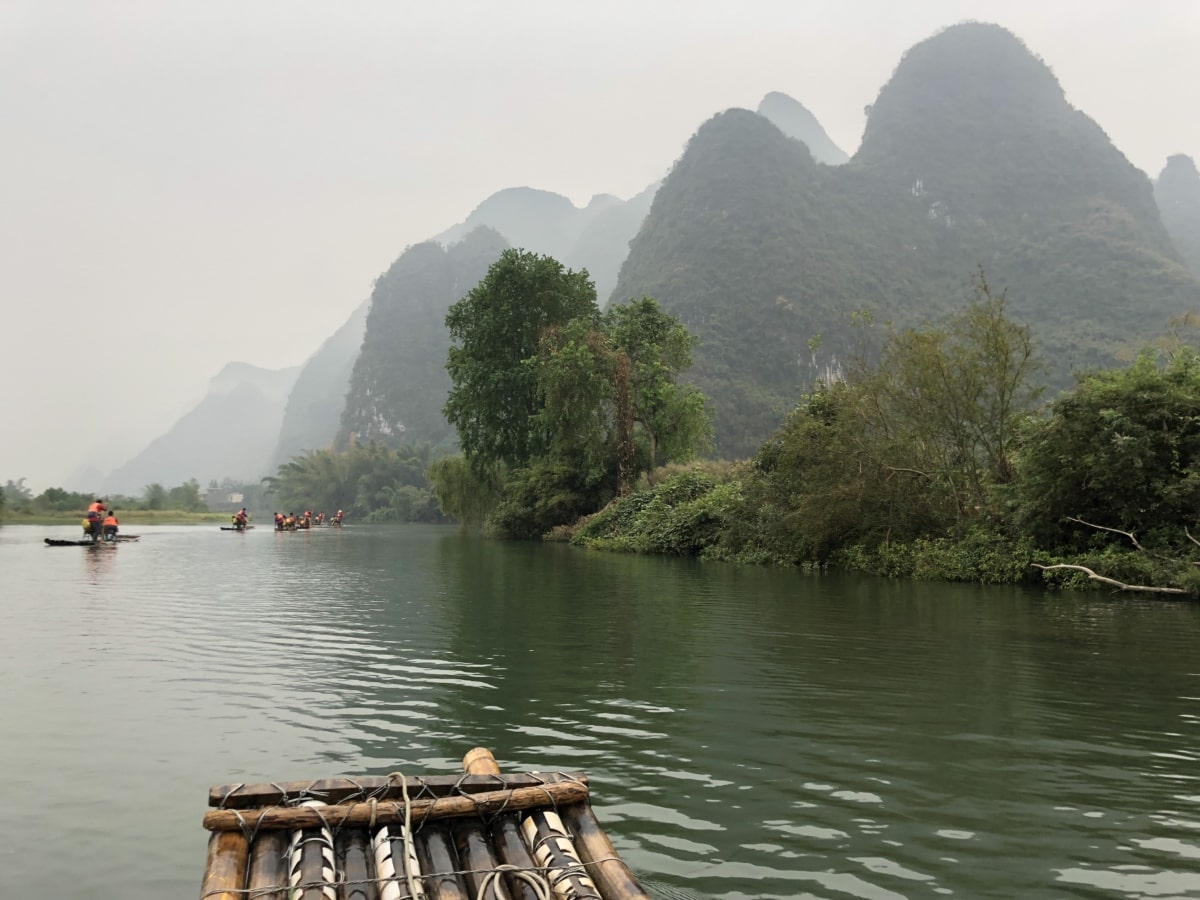 Ecotourism downsizes poverty, thereby playing an important role in global development. Ecotourism is defined by The International Ecotourism Society as “responsible travel to natural areas that conserves the environment and improves the well-being of local people.” By participating in homestays, farming, nature tours, volunteering and patronizing local arts, an ecotourist exists within and boosts the ecosystem of a rural community.
Boosting Rural Economies
Ecotourism downsizes poverty by boosting rural economies. Tourist sites require lodging, dining, and activities — all of which open up avenues for revenue. Rural populations are most at risk of extreme poverty. According to 2023 U.N. statistics, 79% of the world’s poor live in rural areas. The poverty rate in rural areas is 17.2% — compared to 5.3% in urban areas.
Most ecotourist sites are located in the country and generate quite a bit of revenue. In 2021, the industry brought in $157.76 billion in total revenue worldwide, according to Business Wire. Business Wire predicts the figure to be almost $300 billion by 2026.
The expansion of ecotourism was chief among the objectives of a UNESCO initiative “Eradication of Poverty, Especially Extreme Poverty,” active from 2002 to 2007. The program aimed to use ecotourism, and sustainable development, as a national poverty reduction strategy. The initiative worked closely with NGOs in eight regions in Central and South Asia to build “capacities and institutions” that would sustain ecotourism locally and help “enable the poor to enjoy their rights.”
The initiative in India achieved success as it effectively reduced extreme poverty by 25% at its project site. A key factor in this success was the active involvement of the local community in decision-making and skill-building. To ensure the sustainability of the results, the project management entrusted project management to the rural communities themselves.
Sustainability and Poverty
Impoverished rural populations may resort to ecological exploitation to gain revenue. Research published in a 2019 issue of World Development revealed that reducing poverty saves forests. Ecotourism can prevent destruction as it develops sustainable alternatives to building wealth in rural regions.
Safaris are an example of ecotourism’s positive effect on sustainability on the ecological poaching crisis in Kenya. Poaching protection crews are paid for by safari visits to the reserves. When Kenya’s poverty rate dropped in the 1970s, the number of tourists in the Serengeti went from 70,000 to 10,000; its anti-poaching patrols dropped by 60%. “Communities set aside land for wildlife because it’s financially in their interests,” says Mark Butcher of Imvelo Safaris who runs trips in the Serengeti. “But in the absence of tourists, poachers give the incentives.” Without tourist money, locals do not get paid, and the wildlife is protected by unmotivated bureaucrats. Ecotourist safaris boost environmental sustainability and lower poverty rates in countries like Kenya.
Ecotourism and Eco Lodging
Eco lodging expands ecotourism’s capacity to reduce poverty. Eco lodgings feature designs that ensure a “fair share of the benefits remains in the local hosting community” according to Holiable, a site that offers green travel resources.
House of Love is an eco-lodge in the rural Indian province of Tamil Nadu. For $46, ecotourists stay in a cabin nestled in a misty, ancient forest. The lodge doubles as a pepper and coffee farm, and visitors share food prepared with farm-to-table ingredients with locals.
This accommodation is one of many on the site Eco Bnb. Eco Bnb is a nexus in the community of ecotourism. It provides ideas on what to eat, how to travel, and where to stay to maximize a traveler’s impact, in addition to offering discounts for unique adventures.
Ecotourism Companies
Booking a trip with an internationally vetted company is easy for an ecotourist. Quite a few companies have an excellent ledger of giving back to local communities. Responsible Travel and &Beyond are among these companies.
Responsible Travel is an activism company founded in 2001. It works with NGOs and locals in destination countries to form travel packages that benefit the specific country. For each purchased trip, Responsible Travel buys a trip for someone in extreme poverty. &Beyond is targeting high-end trips. It provides luxury tours in areas with high rates of poverty — Africa, South America, and Southeast Asia.
&Beyond runs sustainable hotels with locally sourced cuisine and well-compensated local staff and guides. It partners with wildlife protection organizations and has funded the construction of an electric microgrid in Botswana.
Conclusion
Though eco-touristic infrastructure in rural areas has a long-term effect on poverty, ecotourism has its pitfalls. Properly vetting the sustainability and humaneness of enterprises in developing countries is a challenge. Despite the challenges, transparent ecotourism continues to help in downsizing poverty.
– Caroline Crider
Photo: Pixnio
