How Better Public Transportation Can Reduce Pollution and Poverty in Cairo
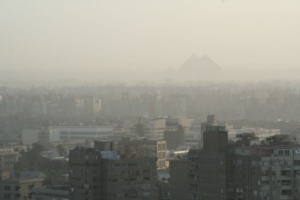 Cairo, Egypt’s capital city, is a bustling metropolis with more than 20 million people living in its metro area. It also faces several social and economic problems, including massive pollution and a high prevalence of poverty, with a high percentage of its population living in slums.
Pollution and Poverty in Cairo
According to IQAir, Egypt is number nine out of the 10 most polluted countries in the world. Much of this pollution comes from its crowded capital city. But in addition to its high rate of pollution, Cairo also suffers from a high rate of poverty.
Up to 63% of residents live in informally or extra-legally developed areas, more commonly known as slums. In these slums, residents live without access to many basic necessities such as electricity, clean water and sanitation. And while poverty in Cairo itself is due to several different factors, pollution is one that continues to impact the region’s most vulnerable.
Much of the pollution in Cairo comes from its vast fleet of private vehicles, many of which are old and reliant on fossil fuels. Of the 4 million vehicles used within Cairo, 60% are at least 10 years old. This high number of vehicles means traffic volumes may go as high as 7,000 vehicles per hour per lane, rising far above Cairo’s acceptable maximum flow of vehicles.
Impact of Public Transportation
Currently, air pollution affects the people of Cairo in two different ways. First, it leads to overall negative health outcomes. According to the World Bank, “as many as 2 million people a year seek medical treatment for respiratory problems related to poor air quality.” In 2019, air pollution caused nearly 100,000 premature deaths throughout Egypt. And in addition to respiratory problems, air pollution also contributes to other health issues, including heart disease, strokes and cancer.
The second problem caused by pollution, which stems from the first, is its economic burden. In 2018, the estimated cost of air pollution due to health problems was around 100 billion in EGP or 2.8% of the nation’s GDP. Plus, the average Egyptian pays “nearly double the global average for out-of-pocket spending on health” or around 10% of their total monthly income, according to Alternative Policy Solutions.
Those suffering most from the negative effects of pollution in Cairo are its poorest citizens. But the development of clean public transportation could give them better health and economic outcomes. Most obviously, the reduction in air pollution from fewer cars could mean fewer health problems and allow them to save money for other necessary expenses. In addition, a larger system could give them access to better essential services and economic opportunities.
Current Developments
On the bright side, the Egyptian government recognizes the harmful effects of air pollution in Cairo and is taking steps to mitigate it. Its overall aim is to reduce emissions by 50% by the year 2030, as reported by the World Bank.
Some of the initiatives undertaken by the Egyptian government include:
- Expansions of Cairo’s metro line
- Promoting non-motorized transport
- A fuel subsidy removal plan aiming to reduce traffic congestion
And studies show that these developments alone could reduce emissions by 34% by 2030. However, there are also several proposals for further improvements. Among these proposals include the creation of a new electronic bus fleet and better inspection and vehicle maintenance within greater Cairo.
Looking Ahead
As Cairo grapples with the dual challenges of pollution and poverty, there are encouraging signs of progress. The Egyptian government has recognized the need to tackle air pollution and has implemented initiatives to expand public transportation and promote non-motorized transport. These efforts, coupled with proposed improvements such as an electronic bus fleet, hold the potential to significantly reduce emissions and improve the health and economic well-being of Cairo’s residents, particularly those in marginalized communities. With continued commitment and implementation, a cleaner and more equitable future for Cairo is within reach.
–Jonathon Crecelius
Photo: Flickr
