How Horticulture in Guinea-Bissau is Lifting Women Out of Poverty
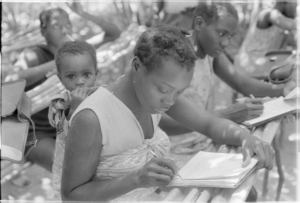 Women of the Bijagós ethnic group in Guinea-Bissau are gaining greater economic independence due to their increasing involvement and specialization in conserving creole plants and their seeds across the Bijagós Archipelago, a series of 88 islands off the coast of Guinea-Bissau. The knowledge of horticulture in Guinea-Bissau has been passed on to the Bijagós women by an NGO called Tiniguena. Seed preservation and food diversity are important to the Bijagós because much of their social rituals and celebrations require specific foods that are being replaced by cash crops.
The Bijagós Archipelago and Guinea-Bissau’s Poverty
The Bijagós archipelago is popular for its biodiversity and this is central to the Bijagós people’s cultural traditions as well. People have implemented several sacred sites throughout the islands, forbidding any economic or subsistence activity in those areas, and this has allowed biodiversity to thrive. The Guardian reports that the people’s love of biodiversity also reflects in their use of unique local foods in the ceremonies that define Bijagós’ social groups.
The industrial expansion of other countries that are keen on exploiting Guinea-Bissau’s weak position in international relations threatens the thriving biodiversity of the Bijagós islands, according to Sacred Land Film Project. Being the 5th poorest country in the world, the small nation in West Africa was persuaded into signing an “intention protocol” with the Spanish company DDY de Comercio Exterior SA. This allowed the company to set up a ship-breaking area near the archipelago. The act of ship-breaking releases toxic substances into the surrounding waters, inevitably causing great harm to Bijagós’ wide range of flora and fauna.
Moreover, Guinea-Bissau’s efforts to alleviate poverty have also been detrimental to the Bijagós’ cultural dependence on diversity. The mass planting of cash crops like cashew affect the nutrient balance of the soil and seriously impact the ability of the land to support an abundance of different plant and animal species, according to The Guardian.
The Work of the Bijagós Women
Here is where the Bijagós women step in. The task of preserving the range of plants and seeds in the Bijagós archipelago has largely fallen to women. As one “seed keeper,” Sábado Maio explains, “Women are the mother of everything, so women take care of the seeds more than men… plants survive because of women,” The Guardian reports.
NGO Tiniguena initiated the Women Keepers of Agricultural Biodiversity Seeds project and it is in charge not only of imparting vital knowledge to more than 150 women but also managing the project logistically, organizing transport to and from the islands in time.
Maio’s garden alone is the new home of 19 crop species, such as red-skinned yam, geneva yam and horse corn. This richness spreads amongst the Bijagós and the wider community through the construction of community barns that allows safe storage for valuable crops that they later distribute to farmers.
Alleviating Poverty Through Horticulture in Guinea-Bissau
As women come to dominate the important act of seed preservation, they gain greater leverage within society that allows them to raise their standards of living. For example, Beatriz Lopes, a mother of nine and horticulturist, says that she is able to turn the seeds she saves from her garden into money by selling them to other growers. Using this extra income, she says she’s been able to “buy rice, notebooks for the kids, pay for school, for medicine and if [she] gets sick [they] can go to the hospital.”
Similarly, Esperança Correia says that her public role as seed keeper lets her remain financially independent while also giving more opportunities to her children. “I don’t depend on anyone and today my children can study more than I could because I can help them,” she told The Guardian
Improving Livelihoods
Clearly, agricultural horticulture in Guinea-Bissau is not only beneficial to the women who practice it but also to the families and communities that they support. With the income that they raise from cultivating and selling precious seeds, they can ensure that their children receive better education, fostering a brighter young community that may have the ability to lift Guinea-Bissau out of poverty. Tiniguena’s desire to spread the culture of seed-keeping has facilitated increasing prosperity and this has had a ripple effect on the traditionally dependent populations of Guinea-Bissau.
– Tiffany Chan
Photo: Wikimedia
