Health care in El Salvador
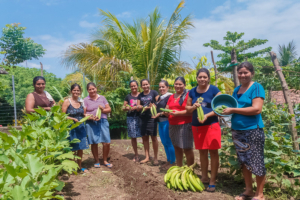 El Salvador, the smallest yet most densely packed country in Central America, has historically only seen moderate poverty reduction and has suffered from constant low levels of economic growth. The population faces development challenges due to high out-of-pocket expenditures, which have greatly limited access to health care. Citizens living in rural, poorer areas of the country experience the most impact of the weak health care system. This results in increased morbidity, mortality and disability from diseases.
National Health Strategy
In recent years, poverty and inequality rates have significantly decreased. From 2007 to 2019, the poverty rate fell by 17% and extreme poverty dropped by 11.5%, making El Salvador one of the most equitable countries in Latin America. A significant contribution to the decline was the launch of the National Health Strategy in 2009. This governmental initiative aims to enhance the quality of care, reduce inequalities in access to care and improve the Ministry of Health’s overall system management.
Strengthening Public Health Care System
In support of El Salvador’s health reforms, the World Bank created the Strengthening Public Health Care System project, which focused on responding to the evolving needs of the nation. The project poured investments into more than 51 primary care hospitals and 30 secondary and tertiary hospitals, and this allowed for greater maintenance of clinical infrastructure and medical equipment. Additionally, the funding strengthened the National Institute of Health and the National Reference Laboratory, both of which are responsible for conducting surveys and collecting data required for monitoring public health during outbreaks of infectious diseases.
Project Results
The project targeted 2.1 million people across 92 municipalities in El Salvador. In regards to strengthening the Ministry of Health’s institutional capacity, it was able to improve safety standards and environmental regulations surrounding biohazard waste disposal. With respect to vaccination rates, the goal was to immunize 92.8% of children with a pentavalent vaccine by 2016 and by 2014, the nation had reached 95%. Additionally, in terms of child delivery, the aim was to have 84% of births take place in health care facilities by 2018. By the end of 2017, 99.8% of births were occurring in a clinical environment. Due to improved neonatal care and hospitalized deliveries, the rate of maternal mortality massively decreased from 65.4 deaths per 100,000 live births in 2006 to only 31 deaths in 2017. Also, the rate of infant mortality declined from 26.9 deaths per 100,000 live births in 2000 to only 12.5 deaths in 2017.
Looking Ahead
El Salvador has made significant strides in poverty reduction and health care access through initiatives such as the National Health Strategy. With investments from the World Bank’s Strengthening Public Health Care System project, the country has improved infrastructure, increased vaccination rates and achieved high rates of facility-based childbirth. These efforts have resulted in a substantial decrease in maternal and infant mortality rates, demonstrating the positive impact of strengthened health care systems on the well-being of the population.
– Divya Swaminathan
Photo: Flickr
