Diamond Electrodes Provide Safe Water in Rural Africa
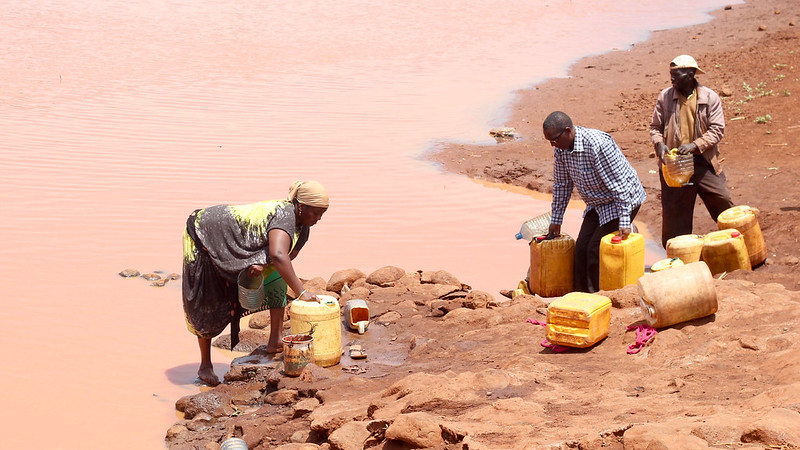 In the continent of Africa, around 418 million people do not have access to safe drinking water and 779 million people live without basic sanitation. Narrowing in on sub-Saharan Africa, lack of clean water access occurs due to inadequate infrastructural investments, relentless droughts, a growing population and poor sanitation, which results in the contamination of water supplies. This leads to further problems such as the transmission of diseases including diarrhea, cholera, dysentery and typhoid, placing pressure on health care facilities. Water insecurity can also reduce life chances, especially for girls, as many have to walk long distances in search of water instead of attending school. This increases gender inequality and exacerbates the cycle of poverty. SafeWaterAfrica is an EU-funded project, first introduced in 2016, that aims to provide access to clean water in rural areas of Africa.
The SafeWaterAfrica Project
The SafeWaterAfrica initiative, coordinated by Fraunhofer IST, focuses on targeting water security sustainably and cost-effectively using a combination of pre-existing and new technology. It has developed an innovative water treatment system that will provide easier and safe access to water by efficiently removing harmful pathogens and pollutants. This will also create opportunities for jobs within communities as locals can operate the system, utilizing it as a source of reliable income.
There are two demonstrator plants already working in the water-stressed regions of Mozambique and South Africa, each successfully providing “100m3 of WHO-quality water per day” from river water. South Africa’s unit is near Johannesburg and has been in operation since September 2018. In Mozambique, the unit is in Ressano Garcia and first started providing safe water in April 2019. Due to the environmental and economic benefits of the project, it received the Solar Impulse Efficient Solution Label award from the Solar Impulse Foundation.
How It Works
Initially, the water undergoes pre-treatment where a salt coagulant converts pollutants into a precipitate which column filtration easily removes. The water is then disinfected and purified using “carbon-based electrochemical oxidation” where the water flows through electrochemical cells with diamond-coated electrodes. Next, two electrodes apply a low voltage current, producing ozone which works to decompose harmful microbes and pollutants, thereby making the water safe to drink. The plants are self-sufficient, sustainable and relatively low-cost because sunlight powers the systems through solar cells and batteries which also protect the environment.
Looking Forward
SafeWaterAfrica has provided accessible sources of safe water, enabling people to spend less time collecting water and increasing school attendance. This initiative has been of particular benefit to girls, as it enables them to pursue greater opportunities for future employment and escape poverty. The flexibility of the technology makes it easy to install in remote and rural areas across sub-Saharan Africa, allowing it to reach those most in need of a safe water supply.
Improved sources of water also lead to less expenditure on health, as people are less likely to become ill due to diseases resulting from that contaminated water. According to the WHO, globally, “more than 2 billion people live in water-stressed countries” and around “2 billion people use a drinking water source contaminated with feces.” In light of these facts, projects such as SafeWaterAfrica play a vital role in encouraging development, improving health and livelihood and maximizing future opportunities through the provision of safe water.
– Isla Wright
Photo: Flickr
