Renewable Energy in Mozambique Helps Fight Poverty
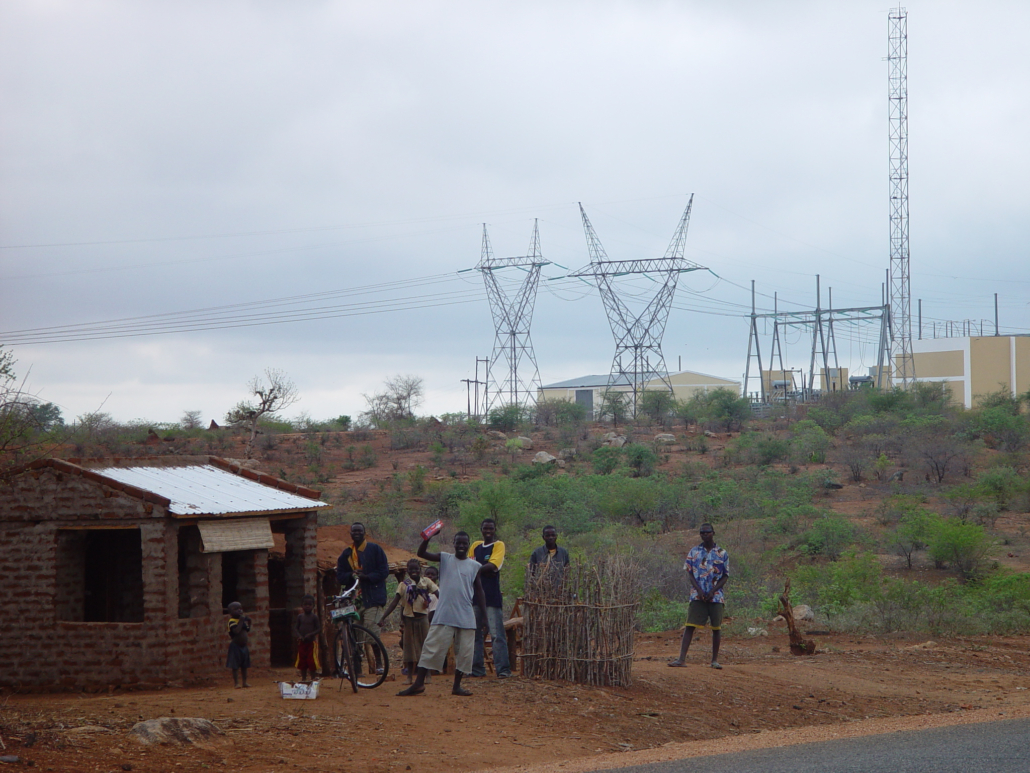
The Southern African country of Mozambique holds great potential for renewable energy. “At 187 gigawatts, Mozambique has the largest power generation potential in Southern Africa from untapped coal, hydro, gas, wind and solar resources,” USAID notes. Mozambique is already equipped with an impressive existing hydro infrastructure, the Cahora Bassa hydro dam being the most notable. Despite this great potential, however, only 34% of Mozambique’s population has access to reliable electricity. Furthermore, in 2022, 60% of the nation’s people live in conditions of poverty.
Renewable Energy in Mozambique Brings Benefits
Recent research undertaken by The Rockefeller Foundation found that investing in renewable energy could create 25 million direct jobs in the energy sector across Asia and Africa by 2030. Furthermore, the improvements that reliable energy access would provide through renewable energy could create close to 500 million new jobs in sectors such as health care, education, agriculture and entrepreneurship. A quarter of these jobs would form in sub-Saharan Africa.
Indeed, with Mozambique’s established wealth of natural green energy sources, the nation would likely be one of the major beneficiaries of these new jobs, which would help to alleviate poverty. The transition to renewable energy holds the benefit of job creation, a positive benefit for a country with an unemployment rate of 3.9% in 2021. With a GDP per capita of approximately $491, in 2021, Mozamibique’s economy could benefit from an increasingly productive workforce.
Instances of investing in renewable energy in Mozambique have already created jobs, with the construction of the Mocuba solar plant employing more than 1,050 Mozambicans at peak construction and now producing 79 GWh per year. For context, that is the “equivalent of the electricity consumption of more than 170,000 households in Mozambique,” according to the Norwegian Investment Fund for Developing Countries. The Mocuba solar plant opened as recently as August 2019. Solar power already helps to power 700 schools and 800 other public buildings in Mozambique.
Mozambique is already a net exporter of energy in the Southern African region. This is mostly due to its developed hydro infrastructure. With large solar projects underway, the value of these established trade relationships could significantly increase. Via an effective distribution and transmission network, Mozambique would also be able to export energy to new customers. This would bring significant GDP growth which, if distributed effectively, could benefit the population at large.
Mozambique’s Power Company Sets Targets
Electricidade de Mocambique (EDM), Mozambique’s state-owned energy company, has put in place a policy to increase installed energy capacity to more than 6,000 MW by 2030 and aims for 20% integration of renewable energy in the country’s power grid. EDM believes that this policy will attract more private investment to Mozambique’s energy sector and ensure the development of a sustainable workforce. Indeed, as the world aligns with net-zero targets and the topic of going green remains prominent, these jobs are likely to remain relevant in the future.
Accelerating Renewable Energy in Mozambique
In January 2023, power development company Ncondezi Energy signed a land agreement with the Government of Mozambique for a 300 MW hybrid solar project, which will help contribute to the government’s goal of achieving universal access to electricity by 2030. Additionally, in 2021, the European Development Fund committed €15 million to the development of renewable energy in Mozambique by investing in entrepreneurs and companies. This will help to reduce the concentration of energy poverty in rural areas.
Looking Ahead
Investment in renewable energy has seen great success in several countries, such as China. It has created jobs, increased reliable access to energy and raised GDP, ultimately reducing poverty. Through similar initiatives, this process can be emulated in Mozambique. By investing in renewable energy to help a country with an abundance of natural green energy sources, more people in Mozambique may see a future free from poverty.
– Saul Gunn
Photo: Flickr
