Everything To Know About Hunger in Tunisia
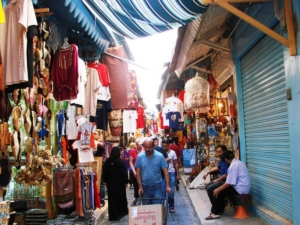 Tunisia is a North African nation located on the Mediterranean Sea. The country suffers from high unemployment, and approximately 21% of its population lives below the poverty line. In light of these issues, hunger in Tunisia is becoming a pressing concern.
Causes of Hunger in Tunisia
One of the major factors contributing to hunger in Tunisia is the nation’s reliance on agricultural imports, especially cereals, to sustain its population. Long-term economic challenges have prevented the nation from being able to purchase sufficient food staples to feed all of its citizens. The country’s high inflation rate, which reached 9.1% in 2022, has exacerbated food shortages and led to soaring prices that are limiting the most vulnerable citizens’ access to available food products.
While Tunisia does have the capacity to produce food within its borders, the country is in the midst of a three-year long drought that has been detrimental to its agriculture. Since September 2022, rainfall levels have dropped to one-fifth of the normal rate. The lack of rainfall has diminished harvests, hindered the production of essential crops like grain and destabilized the country’s dairy industry. Reduced harvests have increased the cost of cattle feed, forcing many farmers to sell the livestock upon which the country relies for milk and other dairy staples. In addition to causing dairy shortages, the drought has devastated Tunisian olive crops. With olive oil being one of Tunisia’s primary exports since antiquity, this has added to the country’s economic instability and heightened the hunger crisis.
Impact of the Hunger Crisis
As a result of the hunger crisis, malnutrition has become an increasing issue in Tunisia. According to the World Food Programme (WFP), an estimated 30% of Tunisian children under 5 years old and 32% of pregnant and breastfeeding women are anemic or iron deficient. Additionally, labor migration has become increasingly common due to the ongoing food crisis, putting thousands of Tunisians who suffer from hunger in danger as they seek relocation to Europe. The Tunisian Forum for Economic and Social Rights reported that, between January and October of 2022 alone, over 500 Tunisians died or went missing as they tried to cross the Mediterranean in search of better opportunities.
Efforts Toward Change
The WFP, a United Nations humanitarian organization that fights hunger around the globe, is working to address Tunisia’s ongoing food and malnutrition crisis. The WFP’s 2022-2025 Country Strategic Plan for Tunisia outlines its initiatives to improve Tunisia’s National School Feeding Programme, promote proper nutrition for school-aged children and establish school gardens and canteens to ensure access to healthy food sources. Additionally, the WFP is working with local farmers and schools to increase the availability of locally-produced food and decrease Tunisia’s reliance on imports. Finally, the organization is implementing strategies to advance Tunisian women’s socioeconomic empowerment by increasing their involvement in local agriculture, particularly in the newly-established school gardens.
Looking Forward
Despite the impact of ongoing food shortages and high food prices, the WFP is working with the Tunisian government and local communities to combat hunger in Tunisia. Continued efforts to improve the country’s school feeding program, promote the local farming industry and strengthen social safety nets could help alleviate hunger in Tunisia and provide Tunisians with access to nutritious food.
– Madison Tomaso
Photo: Flickr
