Zambia: Poverty and Promising Signs
Known for its stunning natural beauty and variety of wildlife, the country of Zambia draws thousands of global travelers seeking adventure and awe-inspiring views in its world-renowned state parks, along the mighty Zambezi River, and at the famous Victoria Falls, a UNESCO world heritage site. More than half of the country’s 752,000 square kilometers is arable land, and the country is rich in natural resources, especially copper, one of its major exports. Compared to many of its neighboring countries, Zambia has also been somewhat stable politically. Zambia made relatively peaceful transition from British colonial rule in 1964, and the country has been spared the kind of serious civil war that countries like the Democratic Republic of Congo have faced in recent years.
Zambia’s natural beauty and great agricultural capacity are a stark contrast to the economic problems facing the country today, however. According to World Bank figures, an estimated 60% of the country’s 13.8 million people live below the poverty line, with most of those in Zambia’s many rural areas. Life expectancy for the average Zambian is 49 years, in part because of the HIV/AIDS pandemic, which has ravaged the population. Just over 12% of Zambians ages 15-49 are infected with the virus, and UN figures show that about 1 million people were living with the disease in 2011. One-third of the population is without access to clean water, and more than 25% of the country’s schools do not have access to clean water and proper sanitation. The country is reportedly on track to meet Millennium Development Goal #2, but enrollment in primary schools is just under 72%.
Efforts to combat widespread poverty and its attendant health and social effects in Zambia have been comprehensive, involving a coalition of private and public, national and international organizations. Through USAID, the United States recently launched two new health programs aimed at addressing poverty and HIV/AIDS by empowering small farmers with new tools to make their farms viable and profitable. The programs have drawn praise from the Zambian government. Zambia is also making progress toward its Millennium Development Goals, reducing child mortality from 191 per 1,000 births in 1992, to 119 per 1,000 in 2007. Extreme poverty in the country declined from 58% to 51% over the same period, and in 2002 the country eliminated school fees for basic education, taking an important step toward universal primary education. These indicators are promising signs that progress is indeed being made toward relieving the misery of poverty and disease in Zambia. They also suggest, however, that there is much more work to be done.
– Délice Williams
Source: Lonely Planet, UNAIDs, UNICEF, World Bank
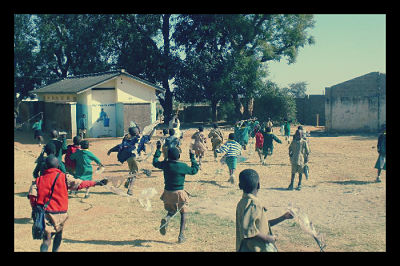
Photo: Presentation Primary Terenure
