5 Facts About Renewable Energy in Chile
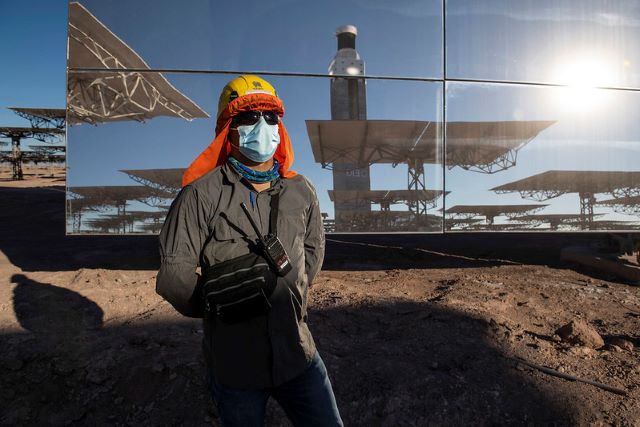 While fossil fuels and copper mining once stood as the foundation of Chile’s energy sector, the country is now a global leader in innovative renewable energy strategies. A shift in focus toward solar power, wind energy and green hydrogen will diminish the number of remaining households impacted by energy poverty over the next 25 years. As the implementation of renewable energy in Chile grows, so does the country’s economic potential.
5 Facts About Renewable Energy in Chile
- Renewable energy sources are reducing energy poverty. Energy poverty takes shape in many ways, such as limited access to heating, air conditioning and hot water, inability to afford electricity bills and frequent power outages that disrupt both educational and business activities as well as access to essential services. Chile’s energy sector relies in part on coal-fired power generation, but the country’s Long-Term Energy Policy now aims to generate 70% of all electricity through renewable sources such as wind and solar power by 2050. Among other benefits, this plan will provide quality energy services to all vulnerable households, reduce total electricity outages to one hour per year and offer significantly lower average residential electricity prices.
- Chile is now a world leader in renewable energy. The 2022 updates to the Long-Term Energy Policy additionally pledged carbon neutrality by 2050 through strategic decarbonization of the economy. Previous efforts to address changing weather patterns forged partnerships with powerhouses like Germany, but the promise of these updates solidify Chile’s status as a global leader in sustainable energy, according to the International Energy Agency (IEA). Other countries including the U.S., Spain and Canada are now vying to learn about renewable energy in Chile and invest in the cause.
- Green hydrogen exports will benefit the economy. The International Renewable Energy Agency (IRENA) foresees a significant increase in Chile’s GDP as the country expands into “green” hydrogen, a source used in zero-emission fuel cells, synthetic ammonia and gasoline substitute. According to government officials, exports of green hydrogen should generate $30 billion per year by 2050. Given the nation’s access to both the Atacama Desert and the winds of Patagonia, Chile has a stark advantage over other countries to produce hydrogen with the renewable energy generated by wind and solar power. Chile hopes to be one of the top three exporters of green hydrogen by 2040, creating jobs and further reducing poverty.
- Eliminating coal plants will not reduce jobs. Chile intends on eliminating all coal-fired power stations by 2040 and focusing fully on renewable energy efforts. However, guidance from the German Society for International Cooperation (GIZ) suggests that the closures will not negatively impact job opportunities. Germany has partnered with Chile since 2008, collaborating on renewable energy agreements and training seminars. Under Germany’s recommendations, the abandoned coal plants will become renewable power plants, such as water desalination plants. This ensures jobs stay intact throughout the transition.
- Renewable energy in Chile creates more jobs for women. Implementing renewable energy plants opens a new job market for Chilean women. Energy+Women is a program initially founded in 2018 that focuses on gender equality and inclusion efforts in the male-dominated energy sector. The program now offers women mentorship, among other professional opportunities. The Inter-American Development Bank (IDB) has additionally given a $300 million loan to Chile for renewable energy efforts with a focus on promoting equal pay.
Looking Ahead
Only 52% of all Chilean households had access to electricity in 1970, but today, 100% of the population has electricity access. Now, the country is pursuing goals that eliminate even a minor power outage. This dissolution of energy poverty would not be possible without the implementation of renewable energy as both a source and commodity. The nation is paving the way for sustainability initiatives. With these exciting developments, Chile is on track to become one of the first developing countries to achieve carbon neutrality by 2050.
– Rachel Smith
Photo: Flickr
