The Current State of Global Maternal Health
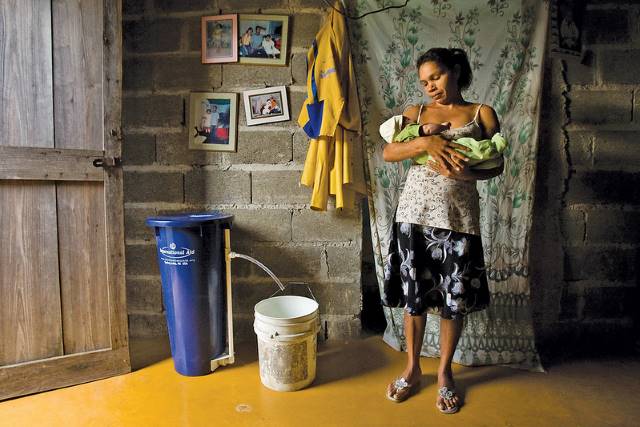 According to a new report released by the United Nations and partners, “approximately 800 women died from preventable causes related to pregnancy and childbirth” daily in 2020. The United Nations Maternal Mortality Estimation Inter-Agency Group studied global trends in maternal mortality between 2000 and 2020. Concerningly, the data shows that maternal deaths rose in several regions over the last few years. However, several organizations are working to improve global maternal health.
The Maternal Mortality Trends Report
Titled “Trends in maternal mortality 2000 to 2020,” the report is the combined effort of several U.N. agencies. The report covers 185 countries and territories, most of which are WHO member states. It presents comprehensive data about global and regional trends relevant to maternal health over the past two decades.
Several factors can increase the risk of maternal death. According to the WHO, some of the major ones are severe bleeding, infections, high blood pressure during pregnancy, unsafe abortions and delivery-related complications. Most of these are avoidable through simple health care and medical attention. However, according to Dr. Natalia Kanem, executive director of the UNFPA, the world faces a shortage of 900,000 midwives. Furthermore, the WHO states that “roughly a third of women do not have even four of a recommended eight antenatal checks or receive essential postnatal care.”
The Impact of Poverty on Global Maternal Health
Poverty has a significant impact on global maternal health. Poverty-stricken regions lack the medical resources and qualified personnel to provide women with adequate care during the maternity period. According to the Pan American Health Organization, the prevalence of maternal deaths is highest in countries impacted by poverty and conflict.
Data shows that, in 2020, the maternal mortality rate in low-income countries stood at 430 per 100,00 live births. In contrast, this rate stood at 12 per 100,00 live births in countries that were financially better off. To further demonstrate the devastating impact of poverty, the report stated that despite only 13% of the global population living in the least developed countries, women in these countries accounted for 42% of maternal deaths worldwide in 2020.
Due to the impacts of poverty, 70% of global maternal deaths in 2020 occurred in sub-Saharan Africa. This means that out of 287,000 global maternal deaths, 202,000 occurred in the region. Countries such as South Sudan, Chad and Nigeria have extremely high maternal mortality rates, with Nigeria noting the most maternal deaths in 2020.
Central and Southern Asia is another region with a high maternal mortality rate. In particular, the region had 47,000 maternal deaths in 2020, which is the highest outside of sub-Saharan Africa.
The Progress
Fortunately, the world made a lot of progress toward reducing maternal deaths between 2000 and 2015, during which U.N. member states adopted the Millennium Development Goals. As a result, the global maternal mortality rate fell by 34.3% between 2000 and 2020. The number of global maternal deaths almost halved during the two decades.
Regions with some of the highest numbers of maternal deaths noted the most progress since 2000. The maternal mortality rate dropped by 33.1% in sub-Saharan Africa between 2000 and 2020. Northern Africa and Western Asia saw a drop of 46.8% while Central and Southern Asia saw a massive drop of 67.5%. Even the least developed countries reduced their maternal mortality rate by 47.4%, according to the U.N.’s report.
Current Efforts
U.N. Member States adopted the 17 Sustainable Development Goals in 2015. SDG 3 aims to “ensure healthy lives and promote well-being for all at all ages.” In particular, SDG 3.1 aims to “reduce the global maternal mortality ratio to less than 70 per 100,000 live births” by 2030. Many organizations are working to achieve this target.
The WHO runs a Maternal Health Unit that “provides leadership for improving maternal and perinatal health and well-being and ending preventable maternal mortality” through education, surveillance and advocacy.
The UNFPA, UNICEF, the WHO and the International Confederation of Midwives (ICM) created the Framework for Action to Strengthen Midwifery Education, which launched in 2019 at the 72nd World Health Assembly. It includes a comprehensive blueprint for building high-quality midwifery education systems.
The WHO developed a Midwifery Education Toolkit to provide “midwives with all the training required to care for healthy women and their newborns, prevent unnecessary interventions while ensuring lifesaving actions and enable health professionals to work effectively in a multi-disciplinary team.”
Additionally, the WHO is a partner organization in the French Muskoka Fund. Initiated in 2010 by the French government, the fund aims to improve maternal and child health in nine African countries. Besides supporting policies, the fund provides access to essential health care, medicines and professionals. The French government renewed commitments to the fund twice already since 2015 and Denmark pledged support for the fund in 2018. In 2021, the French government announced a commitment of €10 million annually until 2026 for the Muskoka Fund.
In order to achieve the target set by SDG 3.1, a global effort toward improving global maternal health is needed. Investment in health care and facilities along with education and advocacy will help reduce maternal mortality worldwide.
– Siddhant Bhatnagar
Photo: Flickr
