A Closer Look at the Water Crisis in Somalia
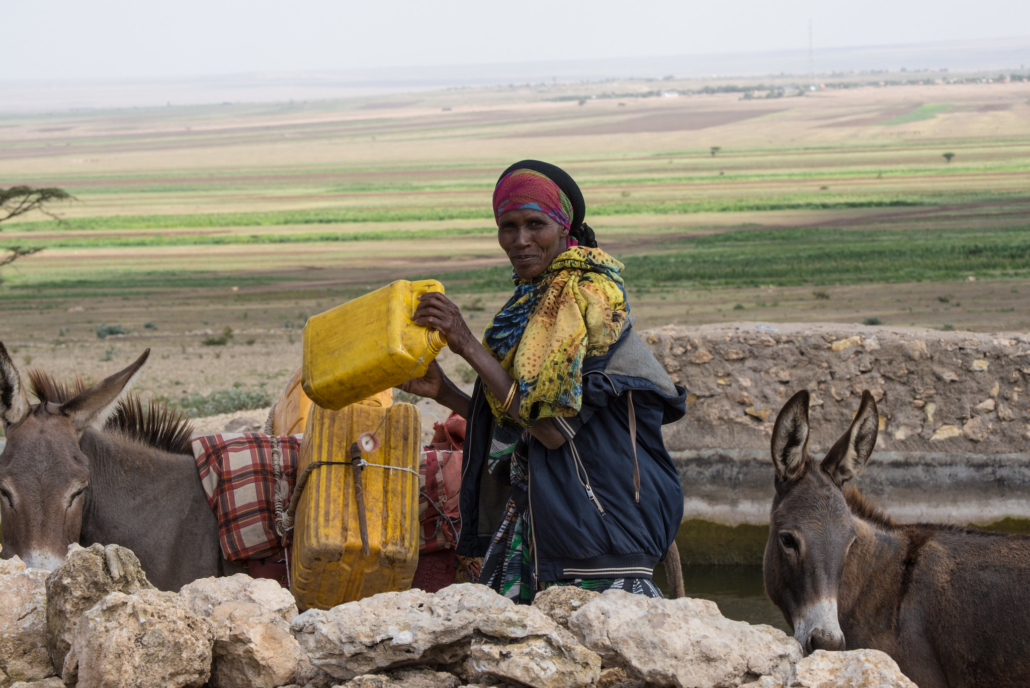
As the water crisis in Somalia continues so too does the threat to all Somalian lives. The country, alongside neighboring regions, is experiencing the most severe drought in 40 years and, with the April to May rains predicted to be at subnormal levels, the situation is only likely to worsen. To attribute the dire conditions and water supply issues to the current drought would be an oversimplification. Levels of rain largely impact any water supply, particularly in Somalia, which is part desert and has only two permanent rivers. But, one needs to consider the systemic failings alongside this in order to fully understand the gravity of the situation that prevails in Somalia.
A Lack of Resources and Regulation
According to the Somalia Water Shortage Update, by April 23, 2022, an estimated 4.2 million people in Somalia faced “severe water shortages.” The civil war, which has now raged for three decades, has had a profound impact on the country’s water systems with a lack of governance and regulation in place to coordinate and/or advance any existing framework.
The WHO-UNICEF Joint Monitoring Programme (JMP) 2019 – SDG report said, “40% of existing water sources are non-functional,” resulting in shortages across the country. “Weak water supply management models” and the high costs of operating and maintaining water systems stand as some of the reasons behind the lack of functional water sources.
At the government level, there is a lack of accountability, which makes planning and regulation impossible. As researcher Mourad Khaldoon notes in a study published in 2022, “Somalia is not a water-scarce country, it lacks good water governance.”
The continued civil unrest and humanitarian crises put further strain on an already strained system. The ongoing conflict has led to the internal displacement of about 3 million people in Somalia. This has led to the overuse of groundwater pumps and increased strain on infrastructure, leaving those in search of water found wanting. The hefty water costs of more than a dollar per cubic meter and the long distances individuals must travel to obtain water, along with the potential contamination of water, continue to be the greatest challenges for the poorest.
Water Contamination in Somalia
Without sufficient supply, desperation takes hold and those in need are reduced to conditions that leave them vulnerable to illness. The connection between supply and sanitation is important to consider. As supply decreases, the already limited resources are shared, resulting in water contamination. Somalia’s greatest source of water, accounting for 80%, is groundwater. But, groundwater is subjected to high levels of pollution due to a number of factors, including the extensive use of pit latrines and shallow underground tanks; high rates of open defecation; livestock and humans sharing the same water points and inappropriate wastewater disposal.
Surveys conducted in 2019 at water points by the UNICEF Somalia Country office indicated “high levels of fecal contamination in water supplies at source, point of collection and point of use.” Without any robust measures in place to regulate the quality of water, the spread of disease is inevitable. Similarly, a lack of education about sanitation further compounds existing issues as at-risk communities lack insight into water contamination and the risks of consuming such water.
The Humanitarian Impact
The WHO says, “No intervention has greater overall impact upon national development and public health than the provision of safe drinking water and proper disposal of human waste,” the Muslim Hands website highlights.
The continued drought in Somalia only serves to heighten the existing water crisis in Somalia. A water assessment published in 2019 with the support of UNICEF highlighted that 2.7 million people required humanitarian aid in the form of water, sanitation and hygiene (WASH) support. Specifically, one-third of households reported a lack of “sufficient drinking water” and about half reported a lack of access to improved latrines, improved water sources and soap.
Thirst is forcing people to make perilous journeys displacing the population while a lack of resources and sanitation are increasing the risk of contracting easily preventable diseases. As these conditions continue, the country continues to fall into further poverty, and while rain is unlikely to provide a long-term solution for Somalians, it would at least provide some level of hope to those suffering most.
UNICEF’s Response in Somalia
UNICEF’s response to the water crisis in Somalia is comprehensive. UNICEF provides the Somali government with support to establish sustainable water systems and helps improve access to toilets while encouraging proper hygiene practices in communities and an end to open defecation. UNICEF also helps the government to link more education facilities to clean water supplies. Additionally, UNICEF is helping the country to maintain and rehabilitate water and sanitation systems, among other efforts.
Humanitarian efforts by organizations such as UNICEF will continue to support Somalia in its water crisis be it through emergency water supplies and practical maintenance or education while The Borgen Project continues to foster upstream change through advocacy, appealing for more U.S. attention to the water crisis in Somalia.
– Rebekah Crilly
Photo: Flickr
