Child Mortality in the Central African Republic
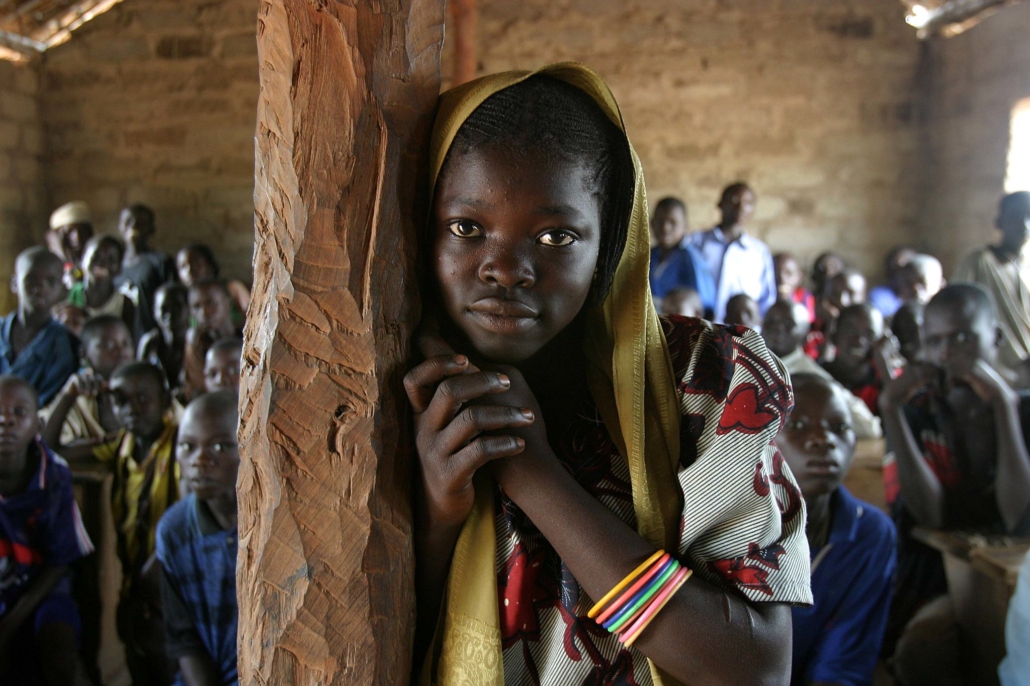
Child mortality in the Central African Republic (CAR) is a significant issue. According to UNICEF, in 2021, the CAR had one of the worst child mortality rates in the entire world, with 100 deaths per 1,000 live births, which equates to about one in 10 children dying before their fifth birthday. This issue of child mortality in the CAR is a multifaceted issue that has deeply rooted itself in the country.
Causes of Child Mortality in the Central African Republic
Researchers conducted a study in 2020 with the help of the Ministry of Health and Population and the Central African Institute for Statistics and Economic and Social Studies, which sheds light on the rampant child mortality in the CAR. The researchers conducted the study in one prefecture of the CAR called Ouaka, in which the researchers interviewed a sample size of 4,000 residents.
According to the study, 64% of the deaths of children under 5 resulted from three treatable diseases — malaria, diarrhea and respiratory infections. Usually, diseases like diarrhea are simple to treat, however, in the CAR, inadequate access to health care presents barriers.
Doctors Without Borders discusses in an article why children in the CAR risk mortality even though these diseases are treatable. Firstly, parents attempt traditional medicine before taking their children to skilled health professionals, and by the time the parents seek out professional care, the child is in a severe state of health.
Additionally, urgent medical attendance is delayed by the fact that the distance to get to a hospital or health care center is long for those in rural locations. Many parents do not vaccinate their kids, which also impacts child mortality in the CAR. Many children have not received critical childhood immunizations, Doctors Without Borders says.
According to a 2012 article by Doctors Without Borders, 13% of under 5 child deaths in the CAR occurred while traveling to a hospital and 60% of child deaths occurred at home.
Doctors Without Borders Takes Action
Doctors Without Borders has worked in the CAR since 1997. From 2015 onward, Doctors Without Borders carried out a vaccination campaign to immunize more than 213,000 children in the CAR against nine common illnesses. During this campaign, the organization administered more than 1 million vaccines to children under 5. The Doctors Without Borders team also introduced preventative measures, such as, “distributing vitamin A, bed nets, anti-parasite treatment and screening for malnutrition,” its website says. Since then, the organization has launched many other immunization initiatives in the country.
For instance, in January 2020, the Ministry of Health in the CAR warned of a countrywide measles epidemic. In response, Doctors Without Borders held a large-scale measles vaccination initiative with the goal of immunizing more than 340,000 children in seven health zones in the CAR.
Overall the prevalence of child mortality in the CAR is concerning, however, it has seen an impressive decrease in the rate of death with the help of organizations like Doctors Without Borders. In 2000, under-5 child mortality rates in the CAR stood at 166 deaths. In 2012, more than 10 years later, under-5 child mortality in the CAR stood at 123 deaths but reduced to 100 in 2021.
Due to the ongoing work of organizations, there is hope for child mortality in the Central African Republic to continue decreasing in the coming years.
– David Keenan
Photo: Flickr
