Fighting Poverty in Ethiopia
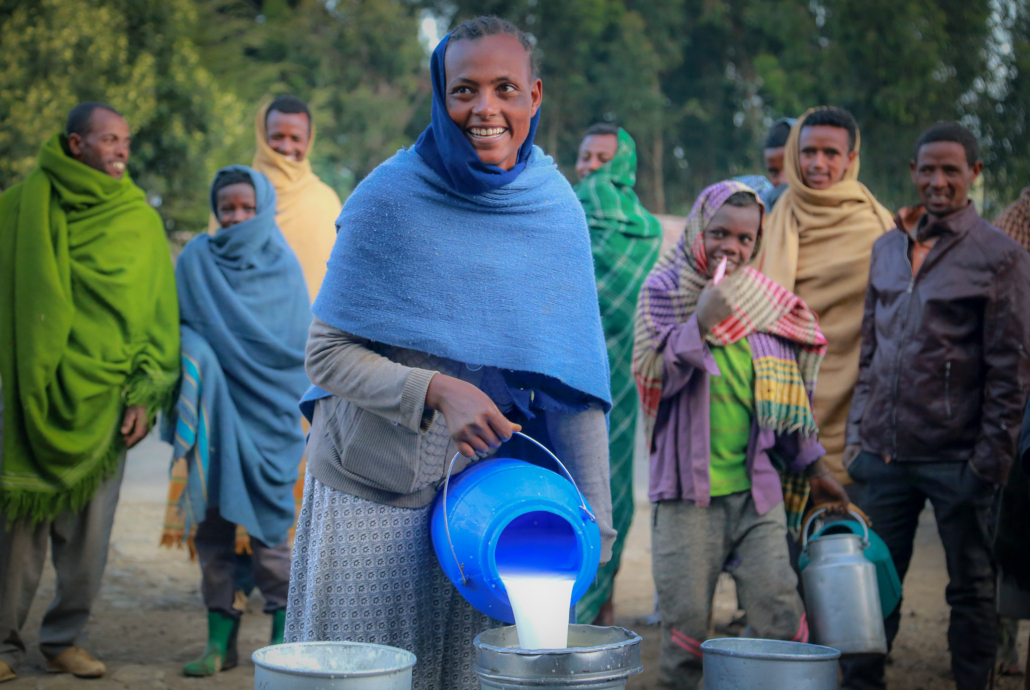
The nationwide famine in the 1980s and the genocide in the Tigray region have plummeted Ethiopians into extreme poverty and put the country at the center of international media attention only temporarily. In 2015, more than 23 million people lived below the poverty line and the COVID-19 pandemic has only worsened the challenging conditions. Civil War, poor health and social services and passive ignorance from the international community have reinforced families’ constant economic struggle and disrupted efforts of fighting poverty in Ethiopia. Despite the efforts to drive record economic growth and industrial advancement, more than 5 million people are still in need of aid in the Tigray region.
How USAID is Dealing With the Issue
To address this problem, USAID funded Livelihoods for Resilience (L4R) through the Feed the Future initiative, a five-year project that helps the government of Ethiopia solve chronic food insecurity through sustainable solutions.
L4R builds on the practices of its predecessor program, Graduation with Resilience to Achieve Sustainable Development (GRAD). This program provides Ethiopian households with agricultural and financial skills, loans and startup capital to fight extreme poverty in the country. The program has reached more than 97,000 households in Ethiopia. Furthermore, L4R encourages families to join the government’s Productive Safety Net Program (PSNP) with the generous support of USAID’s Feed the Future program. PSNP gives access to participants to microfinance, means to improve on – and off–farm productivity, and enhance links to markets. The program also advocates for women’s empowerment and improved nutritional practices, which proved to be important in to fight against poverty.
Village Economic and Social Associations (VESAs), which local villagers established, further support the beneficiaries through diverse strategies, that focus on gender equity issues, financial literacy, nutrition and resilience towards climate change. USAID published a report in 2015 that stated that GRAD is the most cost-effective investment they have prosecuted in Ethiopia, with an 84% increase in family income and a 40% reduction in weather-related crop loss, according to CARE.
Personal Experiences
Feed the Future documented a lot of personal stories during the duration of the program showing the success of L4R. Wondater Agajalew, who joined Ethiopia’s Productive Safety Program years ago, says how much he profited in a short period and went from extreme poverty to making decent revenue from shoat fattening. The skills he acquired from the USAID-funded programs have encouraged him to escape hardship due to recurrent crop loss because of unpredictable weather.
Another inspiring story describes how Menze Gera’s and her family’s life transformed through L4R. Now their children can enjoy a more nutritiotious diet and a fulfilling and secure social life. Similar stories demonstrate how these programs have entirely changed the lives of ordinary people, given hope for the better and subsequently enhanced measures for fighting poverty in Ethiopia.
 Model for a Successful Effort
These people’s participation in the L4R activity for the past couple of years has generated many positive changes. They have received training on the knowledge and skills necessary for financial decisions and improved practices in agriculture, poultry and gender equity.
L4R serves as a model for a successful effort in tackling such a complex issue, such as fighting poverty in Ethiopia and further demonstrates the need for strategic financial foreign aid and thorough media coverage of the matter. By launching the Feed the Future initiative in Ethiopia, the U.S. Government has invested in improving food security, expediting economic growth opportunities and building resilience. It has modernized agriculture and established various national-level development strategies that support Ethiopia’s goal to “become a prosperous, middle-income country by 2025.”
– Nino Basaria
Photo: Flickr
