How the Maasai Community is Tackling Poverty
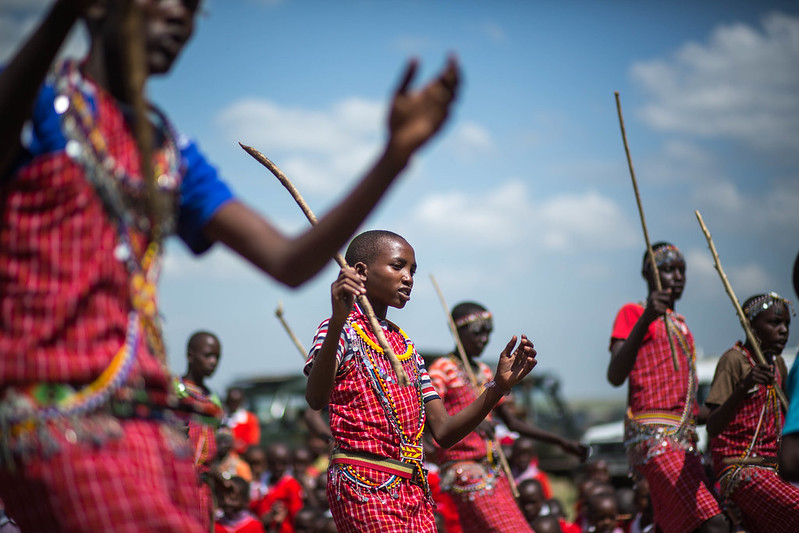
As the Indigenous Maasai community faces adverse losses of their homes, primarily due to the loss of Indigenous land rights, they face impoverished conditions that affect their survivability. However, community efforts to reclaim their land, ensure their rights and engage in profitable capitalistic ventures are how the Maasai community is tackling poverty.
The Indigenous Maasai Community
Native to the Indigenous Maasai community in Kenya is the Maasai Mara, an open savanna that has provided food, water and land for the pastoralist community for generations. However, a decline in access to and freedom in the Maasai Mara has expressed detrimental outcomes, as poverty rates increase amongst the Maasai community. Chief among the challenges is the increasing loss of Indigenous land rights, with the Maasai community having to leave their lands into unaccustomed livelihoods as tourism takes center stage.
Biodiversity Loss and Poverty
The Indigenous knowledge of the Maasai community on biodiversity conservation is relevant and imperative in contemporary conversations about sustainability. However, with strategies to undermine the full realization of Indigenous land rights, the Maasai community faces a stark reality of poverty. According to Nelson Ole Reiyia, a co-founder of the Nashulai Maasai Conservancy, “we saw a bleak future, threatened by land selling, land grabs for commodification, by tourist preserves, by the collapse of our rivers and grasslands, and by unsustainable fragmentation as electric fences carved up and closed off the wildlife migratory corridors.” In actuality, biodiversity loss driven by the commodification of indigenous ecosystems leads to high poverty rates in the affected indigenous communities.
Therefore, as biodiversity loss strains the ecosystem, further affecting tourism and other economic activities, the marginalization of the Maasai community poses substantial risks to their well-being. Narok County, home to the Maasai Mara National Park, reported an absolute poverty rate of 33.7%, with 12% of the population suffering from food poverty. Additionally, the loss of Indigenous land rights has led to long-term food insecurity, as the members lack the resources to live their pastoralist lifestyle. Arguably, the failure of the government to support their livelihoods and incorporate their indigenous knowledge in biodiversity conservation has worsened their financial conditions, forcing many into poverty.
Indigenous Maasai Community Efforts to Eradicate Poverty
How the Maasai community is tackling poverty is a matter of local, national, and global efforts to realize their indigenous land rights and engage them in commercial activities within the contemporary world. As biodiversity conservation accelerates the recognition of the challenges of the Maasai community, its members are increasingly proactive in promoting biodiversity conservation as they articulate ways to eradicate poverty. The Nashulai Maasai Conservancy is one such drive that has facilitated a river restoration program to provide clean water, an organic village-kitchen garden and fundraising drives to mitigate food insecurity.
Biodiversity Conservation and Poverty Eradication
Biodiversity conservation idealizes innovative, nature-based solutions as necessary to mitigating poverty, especially since they incorporate multiple perspectives, including the local. The Maasai community has showcased resilience in guarding existing ecosystems, with their indigenous lifestyles at the root of their knowledge. Through community leadership, the Maasai community in Nashulai Maasai Conservancy has established a management plan based on rotation grazing to capture the advantages of the migratory patterns witnessed in the Maasai Mara. This development plays into the Maasai community’s indigenous knowledge through their age-old customs and traditions. Ultimately, an infusion of current knowledge on agriculture captures the best of both worlds.
Realizing Indigenous Land Rights
Establishing social, political and economic frameworks around indigenous land rights is how the Maasai community is tackling poverty. The Maasai community in Tanzania has encouraged political and legal recognition of Indigenous land rights as they fight against government efforts to evict them from the land. In Kenya, efforts by the Maasai community to establish capitalistic and poverty eradication schemes have been critical in advancing their economic capabilities to retain their land rights. Moreover, funding of conservancies has taken point in driving recognition of the indigenous Maasai community.
With biodiversity loss causing notable challenges in accessing resources, the World Wild Life (WWL) has lauded achieving indigenous land rights as a necessary step in combating climate change and ensuring a financially sustainable future. Notably, collaborations with national and global organizations such as the Nawiri Group to create sustainable practices are how the Maasai community is tackling poverty.
As the Maasai community sustains the indigenous lifestyle, biodiversity conservation through community efforts and the realization of land rights is tackling poverty. However, the onus is on the Kenyan government to accelerate its efforts through policies and laws that preserve their culture and traditions.
– Hanying Wang
Photo: Flickr
