Renewable Energy in Morocco Inspires Investments
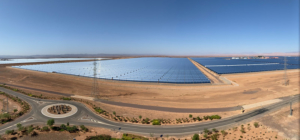 Morocco has long been considered the jewel in the crown of African nations in its substantial effort in the transition to renewable, green energy. The North African country currently relies on green energy for 37% of its national usage. It has taken strong strides to alleviate its dependence on fossil fuels. To replicate this success for the continent, the African Development Bank (AfDB) is pursuing investment for regional interconnected green energy projects.
Morocco’s Commitment to a Greener Future
Morocco’s recent innovations have only been possible through a manageable scheme of commitments in transitioning to renewable, green energy production. The Ouarzazate Solar Power Plant is one stand-out achievement. It is the largest concentrated solar power plant in the world to date.
Today Morocco’s access to electricity is at a monumental 100% nationwide. This success was spearheaded by the actions taken by the Moroccan government, particularly in the the 1990s. It recognized the alarming state of energy poverty, especially in the rural demographic. Through these actions, the access to electricity has continuously increased, providing the necessary power to reach remote communities, and providing the most basic needs like improved access to water.
Of course, significant outside investment enabled these substantial advancements in Morocco’s renewable energy. For example, in 2012 the Moroccan Agency for Sustainable Energy and ACWA Power signed a contract that promised $900 million to initiate the first project at Quarzazate. Since then, Morocco has continued to lay the foundation for future sustainable projects. Morocco is planning to increase its share of renewables to 52% by 2030, 70% by 2040 and 80% by 2050.
COVID-19 Hurts African Access to Electricity
Unfortunately, Africa’s energy production does not reflect Morocco’s innovation and future security with renewable energy. Sub-Saharan Africa, in particular, struggles to provide reliable electricity to its more than a billion inhabitants. Further, after making some strides from 2015 – 2019 to increase electric accessibility by 9%, COVID-19 squashed that progress. Specifically, Africa follows the global trend of losing momentum in reducing energy since 2020 due to COVID-19’s disruption. According to the International Energy Association, “Sub-Saharan Africa’s share of the global population without access to electricity rose to 77% from 74% before the pandemic.”
African Development Bank Pushes Renewables
A lack of investment in renewable energy projects across Africa is central to continued energy poverty. That’s why in a bid to kick-start future renewable green energy investment across the continent, the AfDB has made clear its intentions to bolster its partnership with China for investment in the renewable energy sector. China is investing in the Africa Growing Together Fund for energy and infrastructure projects.
Daniel Schroth, Director of the Renewable Energy and Energy Efficiency Department of AfDB, emphasizes that the African continent has a wealth of renewable potential in solar, wind, geothermal and wind. He advocates for an integrated system because as he notes, “The sun might not be shining in one part but not in other parts. The wind might be blowing in one part but not in the other parts. If you integrate them into one system, you can balance the power use. And so AfDB puts a strong emphasis on critical regional interconnection projects.”
This strengthening of ties represents just one of the commitments that the AfDB expects to deliver. In 2021, it announced the second phase of its Desert to Power initiative, which aims to provide electricity to 250 million people by the year 2030. As stated in its executive summary, the project strives to, “harness the vast solar power potential across the Sahel region to provide access to electricity and enable socio-economic development as well as resilience in the region.”
Looking Forward
Despite COVID-19 setbacks, it is clear that Africa is ramping up its renewable energy pursuit through programs such as AfDB’s Desert to Power and through courting investors such as China. This drive, influenced by the successful renewable energy program in Morocco, should make significant strides in reducing energy poverty across the continent.
– Jamie Garwood
Photo: Flickr
