Developing Renewable Energy in Zambia
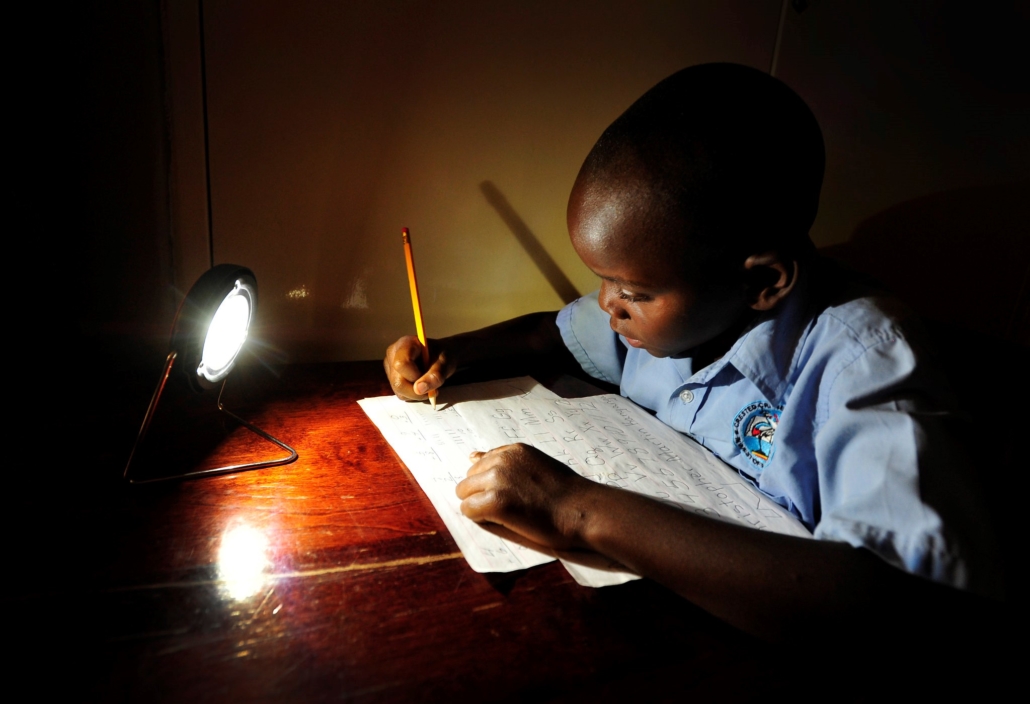
Zambia has enjoyed significant economic growth in the past few decades. With prosperity, Zambia’s demand for electricity has increased. However, the current energy supply has struggled to meet this demand. Zambia relies on hydroelectric power for more than 85% of its electricity and frequent droughts prevent these plants from operating at full capacity. Further, the average nationwide rate of access to electricity is 30%. Worse yet, only 5% of the rural population has electricity access. The Zambian government has set a target of 50% electricity access across the nation by 2030. As electricity demands continue to grow, the expansion of renewable energy in Zambia is critical for the country’s social and economic development.
Capacity Building for Renewable Energy and Energy Efficiency Project
To aid in the sustainable development of Zambia’s energy resources, renewable energy projects are underway. One such initiative is the European Union (EU)-funded Capacity Building for Renewable Energy and Energy Efficiency project. The project is a collaboration between the EU and the Zambian government to provide technical assistance to the Rural Electrification Authority (REA) of Zambia. The project’s assistance will help fund the REA’s development of energy infrastructure. The project began in 2017 and should have reached completion in 2021.
Specifically, the Capacity Building for Renewable Energy and Energy Efficiency project is striving to establish a collection of solar-powered mini-grids to provide electricity to rural Zambian communities. Mini-grids are small electricity generators interconnected to an energy distribution network. These are useful in Zambia because the grids do not require the construction of long stretches of electrical lines. The mini-grids will provide electricity to an estimated 10,000 people living in rural communities in Zambia.
Shiwang’andu Small Hydropower Plant
Another initiative to develop renewable energy in Zambia is the Renewable Energy for Sustainable Development in Zambia project. Created by the United Nations Industrial Development Organization and the United Nations Environmental Programme, this initiative seeks to bring readily available and local renewable energy sources. One of the initiative’s projects is the construction of the Shiwang’andu Small Hydropower Plant, which the Zambian government commissioned in 2012. The Shiwang’andu plant supplies a solar mini-grid that will provide electricity to more than 25,000 people in the Mpanta region.
Hydropower plants generate power using the energy that the flow of water creates. This energy generation requires the water to flow across an elevation difference, from a higher point to a lower point. Usually, dams are built in running bodies of water, such as rivers, to construct this elevation difference.
Because constructing hydropower plants involves building dams in bodies of water, the developers of the Shiwang’andu plant had to consider the plant’s impact on wildlife. Developers installed a second dam during construction to divert water, which maintained normal downstream water flow. They also included a 1.5-meter gate within the dam to help fish, crabs, shrimp and other migrating animals.
Renewable Energy Key to Expand Sustainable Access to Electricity
As Zambia continues to see economic growth, and as it aims to provide electricity access to a greater percentage of its population, the nation’s energy demands will continue to increase. The development of renewable energy in Zambia is an efficient and eco-friendly way to expand the country’s energy resources, which should provide sustainable access to electricity for more Zambians in the years to come.
– Aimée Eicher
Photo: Flickr
