How Urban Forests Reduce Poverty
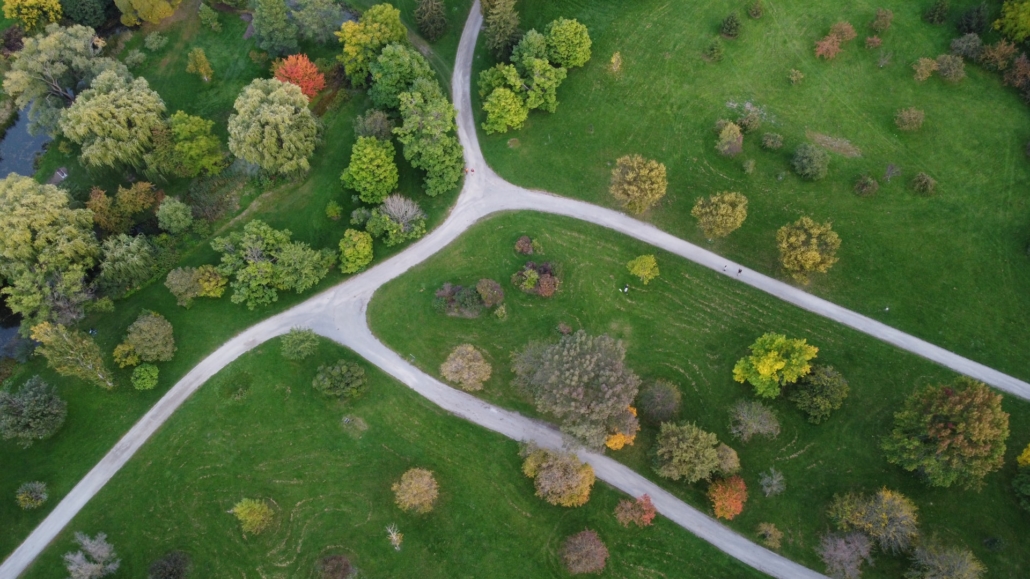 Urban forests take many forms, including parks, gardens, street trees and nature reserves. Around the world, urban forests reduce poverty by conserving the environment, creating economic opportunities and providing sustainable resources to people in need.
Environmental Conservation
As cities become more populated, urban forests help mitigate the negative effects of human activity on the environment. Trees can benefit human health by reducing water and air pollution, providing shade and improving mental health. Trees also conserve energy, absorb water runoff from storms and provide habitats for animals. Urban forests often consist of indigenous trees that can easily survive local climates and only need slight watering. As a result, urban forests are often low-maintenance, self-reinforcing tools that improve quality of life.
Impoverished communities may particularly benefit from urban forests. A 2021 analysis by the conservation nonprofit, American Forests, found that low-income areas tend to have limited green space, which makes them more likely to become urban “heat islands.” Heat islands are the result of minimal shade and widespread heat-absorbing asphalt. The “islands” can get up to 10 degrees warmer than surrounding communities, leaving the people in them at a greater risk of experiencing heat-related illnesses like heat stroke. As global temperatures rise, urban forests reduce poverty by helping people meet their basic needs, which include cool, fresh air and clean drinking water.
Economic Development and Sustainable Resources
Urban forests reduce poverty by creating jobs and helping people launch sustainable businesses. In their beginning stages, urban forests employ people for land restoration and forest planting. Urban forests also require employees for planning and management. Once urban forests fully develop, they offer a range of sustainable resources for both consumption and economic growth.
A study by researchers at Rhodes University found that impoverished groups use and benefit from non-timber forest products more than any other group. When urban forests are located in low-income areas, people can use raw materials from forests to start small businesses and make a living. Firewood from urban forests is particularly useful because people can use it to cook. Without firewood, people may lack the ability to cook, leaving them at an increased risk of food insecurity. In order to maintain a steady supply of wood, city planners must plant urban forests on adequately large plots of land.
The study by Rhodes University found that some communities in South Africa live below the poverty line, in part, because they lack sufficient land for forests. With proper planning and management, urban forests can be a pathway out of poverty for communities around the world.
Current Projects and Progress
Cities everywhere are beginning to acknowledge the value of urban forests. For example, Madrid in Spain is in the process of planting a 75-kilometer-long ring of forest around the entire city to reduce pollution and fight climate change. The United Nations is also working with Royal Botanical Gardens, Kew, to help 30 countries across Asia and Africa grow forests. Global efforts to develop more urban forests offer hope of reducing global poverty and environmental degradation. Urban forests are practical, sustainable methods for improving lives and protecting the natural world.
– Cleo Hudson
Photo: Unsplash
