5 Facts About Healthcare in the Marshall Islands
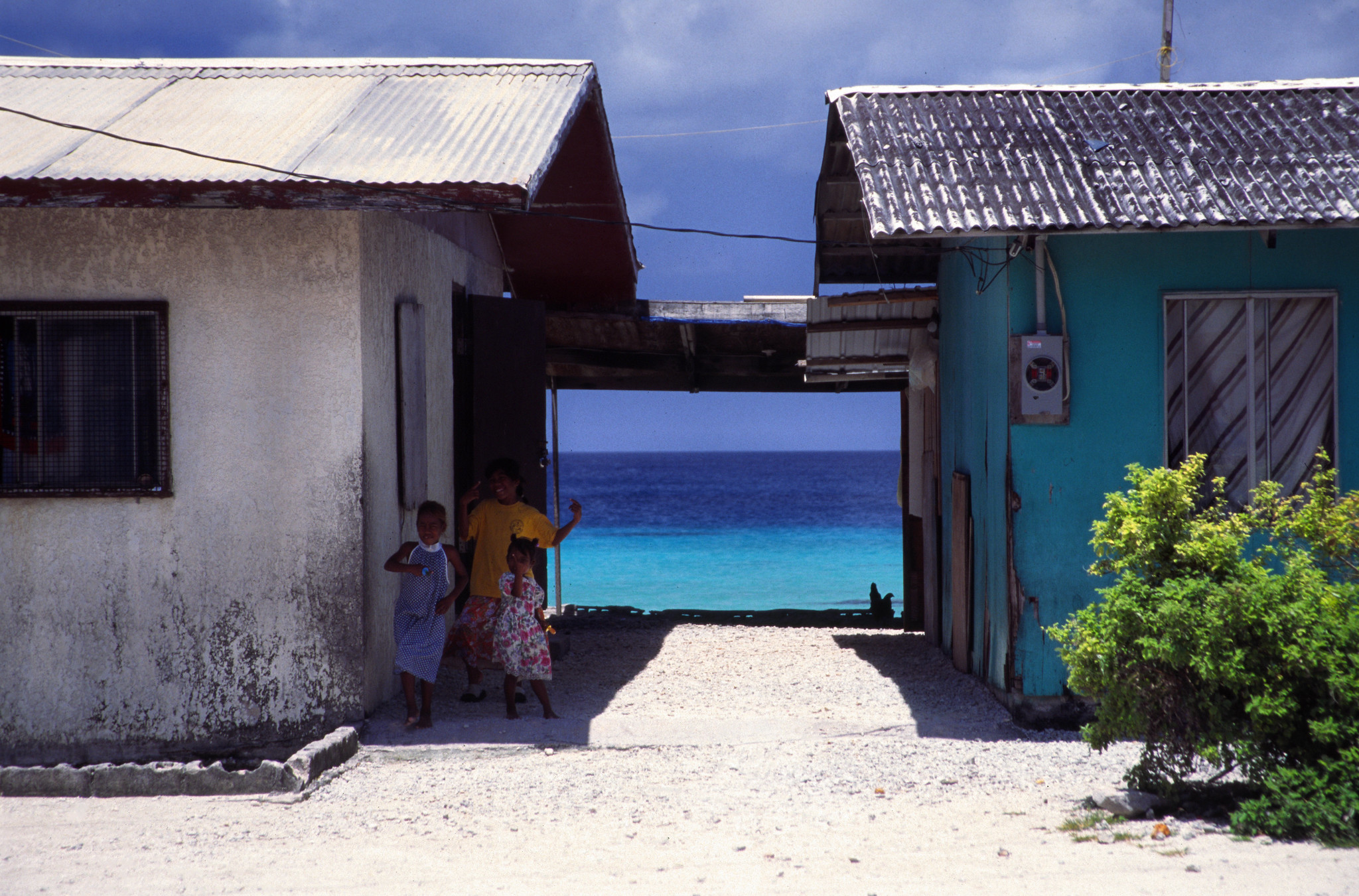 The Marshall Islands is a country in Oceania. Known for its beautiful beaches, the country attracts many tourists in search of World War II ships that are in its waters. Tourists also visit the country for its abundant wildlife and coral reefs. According to the World Health Organization (WHO), though healthcare in the Marshall Islands is relatively organized, there are discrepancies and other indications of healthcare problems. These include high mortality rates, which WHO has indicated requires evaluation. Amid the ever-growing COVID-19 pandemic, healthcare is absolutely crucial in making sure that mortality remains low and quality of life is high.
5 Facts About Healthcare in the Marshall Islands
- The physician density in the Marshall Islands per 1,000 people is 0.456. This number refers to the number of doctors relative to the size and population of the nation. For reference, the physician density in the United States was 2.57 as of 2014. Other countries in Oceania, like Fiji or Samoa, have physician densities of 0.84 and 0.34, respectively, according to their most recent data.
- Only two hospitals exist within the country. In addition to these two hospitals in urban areas of the country, there are approximately 60 health centers and clinics spread out around the Marshall Islands. This number may seem surprising, but the small population of 58,791 merits the limited number of hospitals. Providing primary and secondary care, these hospitals rely on larger centers in the Philippines or Hawaii for more tertiary care. Other clinics and health centers are equipped with primary care physicians and other health assistants.
- The Marshall Islands saw a 0.5% increase per year from 2010 to 2019 in providing adequate, effective and necessary healthcare. According to a study by Universal Health Coverage (UHC) collaborators, the effective coverage index in 2010 was 42.1% whereas there was an increase of 1.9% in 2019. These percentages are in reference to effective healthcare coverage in 204 territories and countries across the globe. This means that healthcare in the Marshall Islands overall increased in its effectiveness within the decade.
- The morbidity and mortality rates for the Marshall Islands for communicable and non-communicable diseases are relatively high. WHO has mentioned that non-communicable diseases have a high prevalence in the country for two reasons. First, the amount of imported and instant food products that people consume there is high. Second, people in the Marshall Islands overall lack exercise and utilize smoking products at a high level.
- The mortality rate for children under the age of 5 years old is 31.8 per 1,000 births in the Marshall Islands. This number, known as a country’s “under-five” mortality rate, is indicative of a nearly three-decade-long improvement in under-five mortality rates in the Marshall Islands. The country has seen a steady decline in the rate since 2004. Between 1990 and 2019, the rate decreased by 17.5%. The under-five mortality rate is slightly higher for boys than for girls.
Healthcare Potential
Some of these five facts may paint a harsh picture of healthcare in the Marshall Islands. However, there is still great potential for improvement in the future. The effectiveness of care, for starters, is a great opportunity for the country to excel in its healthcare coverage. With the intervention of organizations such as WHO and an ever-improving healthcare system overall, these statistics could one day be numbers of the past.
– Rebecca Fontana
Photo: Flickr
