3 Groups Creating Jobs in Underdeveloped Countries
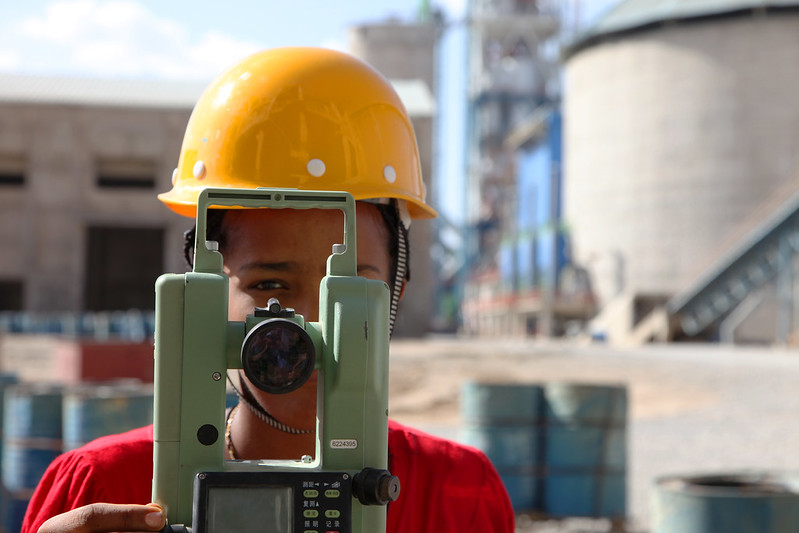 Poor infrastructure and lack of job opportunities are among the top reasons that underdeveloped countries remain in poverty. Creating jobs in underdeveloped countries is key to achieving developmental goals and providing economic and political stability that can help many developing countries out of destitution. Furthermore, jobs provide income, independence and choice to individuals. It is for these reasons that creating jobs in underdeveloped countries can improve conditions and help in eliminating hunger and poverty. Creating new job opportunities can also help advance gender equality and many other pending societal issues. In September 2015, many organizations came together to establish the U.N. 2030 Agenda for Sustainable Development, which recognized the importance and impact of jobs on these economies. Since then, corporations and organizations have been launching efforts to try and reduce global poverty by creating more jobs in developing countries.
3 Groups Creating Jobs in Underdeveloped Countries
- The Overseas Private Investment Corporation (OPIC): This U.S.-based finance development organization has long created jobs in underdeveloped countries that have boosted countries’ economies. OPIC has supported major infrastructure projects such as airports and hospitals, which have created many construction jobs. It also has provided and allocated financial resources to entrepreneurs in developing countries. These resources give entrepreneurs the means to start and grow their businesses, which will, in turn, produce more jobs. In 2019, OPIC merged with the Development Credit Authority, which was a part of the United States Agency for International Development (USAID), to form the Development Finance Corporation (DFC). The DFC partners with the private sector to invest in energy, healthcare and technology initiatives, as well as infrastructure and jobs.
- The World Bank: The international organization works to reach goals in the employment sector by launching efforts to improve financial access, provide financial training and build more robust infrastructures for lacking governments. Due to the World Bank’s international efforts, countries are recognizing the top challenges they face using job diagnostics. After evaluating data, governments can focus on more pressing socioeconomic issues. This will create jobs that benefit people in need and give them more economic stability. The World Bank counsels governments to invest in transportation, information and communications to connect more people to job markets. Finally, the World Bank is responsible for developing programs that promote entrepreneurship in small-and-medium-sized businesses.
- Mother’s Service Society (MSS): Founded in 1970, MSS is a social science research institute in Pondicherry, India, that leads research and conferences on subjects from global leadership to economic theory. MSS research projects and conferences develop action plans to increase employment and create jobs in developing nations. These plans detail multiple factors that, when combined, generate employment and boost the economies of these countries. According to MSS, the Newly Industrializing Economies (NIEs) in East Asia have demonstrated that more comprehensive strategies for job generation have yielded the most progress. More comprehensive strategies for job generation can include ideas such as having more of an emphasis on agriculture, promoting small businesses, improve marketing efforts, develop exports and employment planning.
More Strategies
Besides the great work of these groups, other comprehensive strategies for creating jobs in underdeveloped countries include extending basic education, improving higher education, raising productivity and upgrading the skill level of workers. By implementing these strategies, economies can close socioeconomic gaps, join the global market and create more job opportunities.
– Annamarie Perez
Photo: Flickr
