Healthcare Reform in Latin America
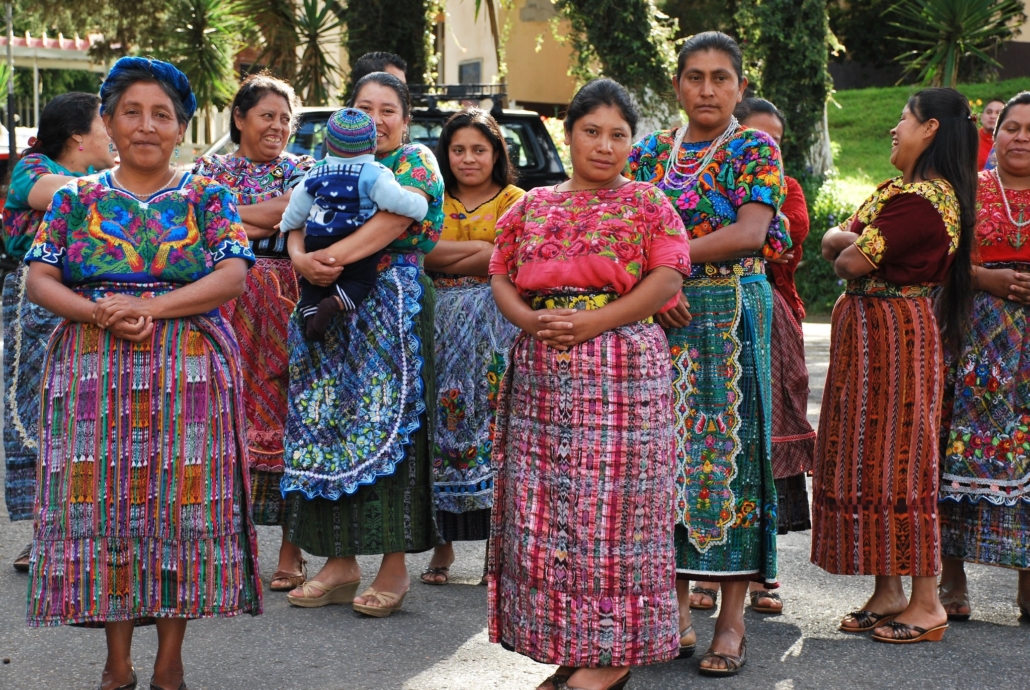
One-third of the population in Latin America does not have access to permanent healthcare, meaning healthcare services and benefits are inaccessible to approximately one in every three people. Statistics have shown that less than 30% of the population in Andean and Central American countries have social security coverage. Meanwhile, 70% lack any type of access to basic health services and 17% of women endure childbirth unassisted. Healthcare reform in Latin America has become the focus of various organizations who have made it their mission to make healthcare accessible and affordable to the people in countries such as Argentina, Brazil, Costa Rica, Columbia and Chile.
Organizations Working to Increase Accessibility to Healthcare
The International Labour Office (ILO) is an agency that aims to provide and enhance social protection for all. The Panamerican Health Organization is responsible for pushing countries to reform their healthcare systems. It also aims to ensure that everyone has access to healthcare. Both agencies have partnered to carry out an action plan – the Action Plan for the Americas – that will take place over the course of five years to find new ways to provide healthcare services and benefits to the excluded portions of the population. This plan aims to implement a micro-insurance system that has been successful in Central American countries. This system helps to decrease social exclusion and increase the quality of care that people receive.
Program SUMAR is a national program that has the goal of creating subsidized health insurance for the uninsured in countries like Argentina. It aims to do this by strengthening the insurance scheme and implementing a result-based approach that uses financial incentives to promote advancement in certain regions. It aims to close the gap between the medically, financially and physically possible with available resources, and reduce disparities in effective coverage. Another goal that this program implemented is to build a primary care-oriented system that makes families and communities its priority by promoting universal coverage and access to services and benefits.
Poverty and How it Affects Access to Healthcare
The System for Selecting Beneficiaries of Social Spending (SISBEN) uses qualitative and quantitative data to analyze and measure poverty in multiple different countries. The SISBEN Index takes into account different variables to determine economic needs within communities and create accurate changes and target different problems that exist within countries’ economic systems. After using the SISBEN method in Columbia’s system, the poor population in this country experienced a positive effect in the sense that economic barriers to basic healthcare services that existed before remarkably decreased. The healthcare gap between economic classes decreased because of universal healthcare and more insured and uninsured people were able to receive healthcare. Additionally, higher percentages of people are using ambulatory services, taking sick children to receive treatment and enduring childbirth in the presence of a healthcare professional.
While the world grows richer, large populations of the world continue to suffer from preventable and treatable sicknesses. This notion helped spark change and systemic reform. Many organizations mobilized and launched different operations aimed at improving these systems, centralizing healthcare reform in Latin America as a priority. There is a rise in the accessibility of healthcare services and benefits to impoverished populations as well as an increase in the life expectancy of people who inhabit these countries.
– Annamarie Perez
Photo: Flickr
