Ecuador Fights to Eradicate Gas Flaring
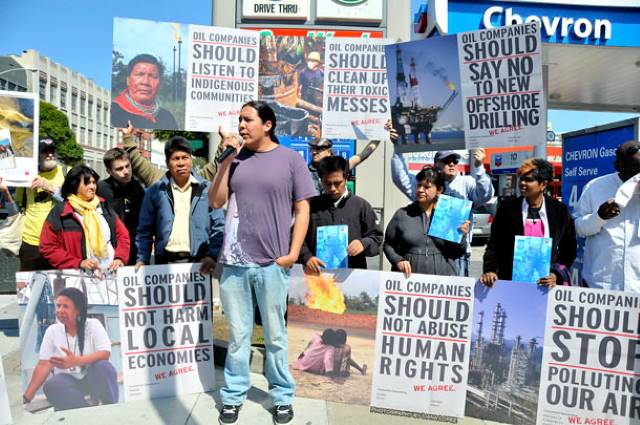 Since the area’s first oil well was drilled into the Ecuadoran Amazon in 1967, the surrounding population has been plagued with pollution and has suffered various health risks. This is primarily due to the gas flaring that has been ongoing for decades. It is impossible to reverse the harmful effects of the oil industry, but the situation is being addressed as Ecuador fights to eradicate gas flaring.
What is Gas Flaring?
Gas flaring is the controlled process of burning excess natural gasses for more efficient fuel extraction and production. Although in some cases it can be more cost-effective, the process of gas flaring is ultimately more harmful than advantageous. The issue with gas flaring relates to the harmful pollutants it emits. There is currently no standard chemical composition of flare gas. Almost all flare stacks release methane and black carbon into the air. The emission of black carbon, in particular, has negative impacts on human health and contributes to more than seven million deaths a year.
Today, there are 447 gas flares in the Ecuadoran Amazon. These flares have been in operation for decades and impact the health of the local population. These flares burn at a dangerous 750 degrees Fahrenheit, 24 hours a day, all year round. The surrounding communities lack proper protection against dangerous pollutants. The most destructive effects include not only cancer but miscarriages and severe genetic deformities.
Poverty in Ecuador
A majority of communities affected by the gas flare stacks are based in rural regions of Ecuador. These areas are more affected by poverty. In trying to develop protection from the harmful pollutants that gas flares emit, the communities are unable to progress economically. The poverty rate of Ecuador, last documented at around 24% in 2018, only continues to increase as gas flaring creates health impacts that further stress the country’s financial situation. The burning of natural gas results in significant losses in potential revenue.
Eradicating Gas Flaring
The path to first recognizing and finally beginning to assess the situation began with the uprise of cases involving the violation of basic human rights that gas flaring creates. Several gas flares are located within residential communities with effects spanning more than 180 miles. Local citizens sued the state-owned oil company, PetroAmazonas, and other relevant parties, for the use of gas flaring and the damages it has caused. The court ruled that the action violates constitutional rights to health, a healthy environment and sustainable development. Furthermore, the court expressed that the state has an obligation to implement policies that protect people against negative environmental impacts. The case builds upon the 26-year lawsuit against oil giant, Texaco-Chevron, to demand reparation in the same region for what is deemed the “Amazon Chernobyl,” one of the most severe oil-related disasters globally.
Looking Ahead
Ecuador is addressing the situation with the first step being a court order to end gas flaring in the Ecuadorian oil industry. Compensation and reparation to those affected are also essential parts of achieving justice. The ruling is a victory not just for the victims but the country as a whole. The decision shows Ecuador’s commitment to protecting the health of its people and its environment while upholding the human rights of Ecuadorians.
– Caroline Kratz
Photo:Flickr
