Botswana’s Renewable Energy Options
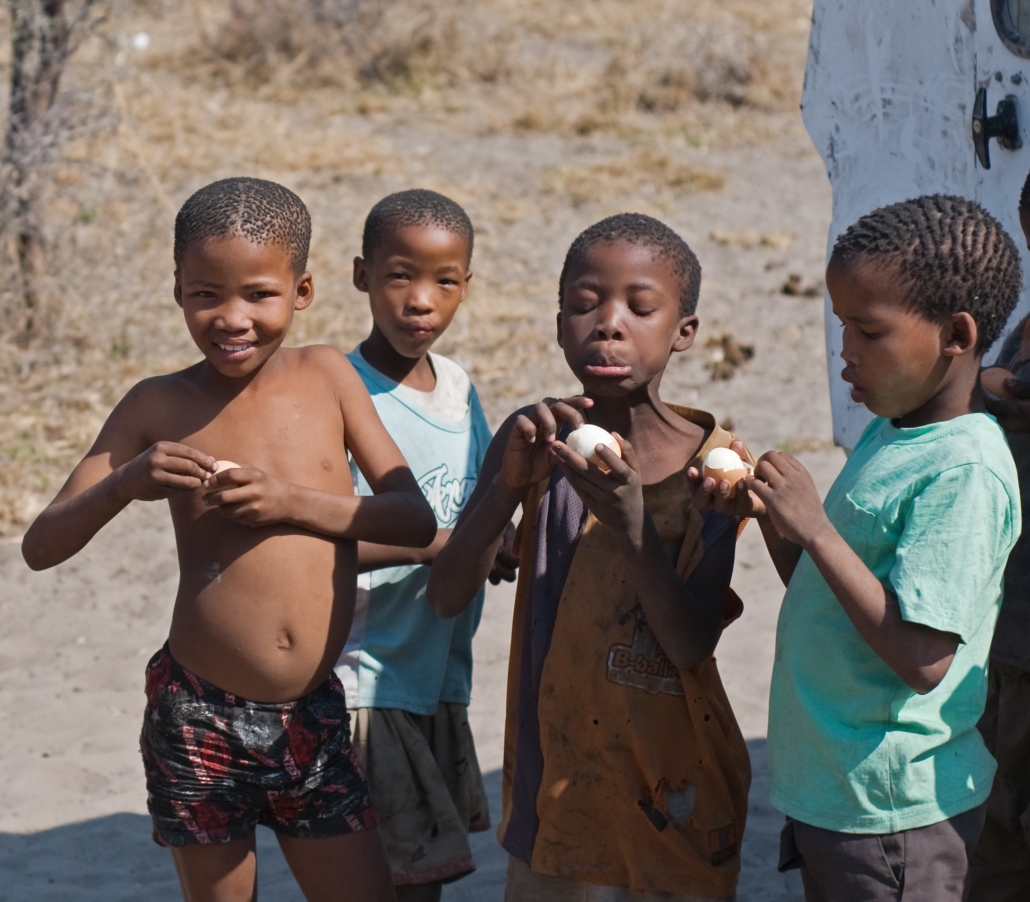
Nearly half of Botswana’s population remains poor despite its economic strides. About 46% of children under the age of 15 are vulnerable to poverty. In 2013, UNDP measured Botswana’s rural areas as having the highest poverty rates with nearly 45% of people living below the poverty line. Botswana has abundant solar and biogas resources that it can harness to increase access to affordable, sustainable energy alternatives in rural populations while providing opportunities to grow local economies and jobs through investments in solar plants and biogas digesters. Leveraging natural sources such as these could alleviate Botswana’s reliance on more expensive imported petroleum sources and centralized electric grids. Communities can bridge the gap between their demand and supply with affordable, viable options that are sustainable. Current investment levels do not fully exploit the potential of Botswana’s renewable energy options.
About Botswana
With its stunning landscapes and majestic wildlife, Botswana has long been a magnet for travelers and adventurers the world over. Nestled and landbound between Namibia, Zimbabwe and South Africa, deep in the Kalahari desert, some have touted Botswana as an economic and political success story in the region. The country has enjoyed sustained economic growth and political stability primarily due to its diamond and tourism industry.
Solar Power
Botswana has lots of sunshine. Per the World Bank, Botswana “has abundant solar energy resources receiving over 3,200 hours of sunshine per year with an average insolation on a horizontal surface of 21MJ/m2, one of the highest rates of insulation in the world.” With its annual sunshine among the highest globally, there is much potential for Botswana to advance its solar energy capabilities. The far-flung desert spaces of rural areas lend themselves well to establishing vast solar farms.
The Botswana government has indicated an interest in growing its renewable energy sector, hosting its first large workshop on the topic in 2014.
While adoption of solar technologies holds great promise for Botswana, legacy financial, policy and institutional frameworks are barriers. Botswana’s government has also highlighted a lack of knowledge on the evolving technologies and practices in the renewables area as a challenge to the advancement of its goals.
Biogas
Biogas, which producers generate from waste, has much potential as a renewable energy source. This type of energy source is useful in the generation of heat and power, replacing conventionally used fossil fuel sources, thus reducing greenhouse gas emissions while recycling agro-waste such as cow-dung and chicken litter. The high quantities of manure from the large cattle population enable the necessary capacity to establish independent biogas-based power plants in addition to solar farms. Countries can explore methane capture technologies for local energy options while also reducing greenhouse gas emissions.
Success Stories
The Botswana government is working strategically to diversify its energy sources and build resiliency in its energy sector by investing in new solar power plants. As of 2020, plans for building four new solar plants over the next six years for a cumulative 610MW capacity are underway.
The Biogas Project of Botswana supports the production and use of biogas for agro-waste producing farms and organizations. The project is a part of Botswana’s 11th National Development Plan (NDP11), seeking to promote equitable, affordable energy while reducing the country’s carbon footprint by leveraging renewable energy sources public-private partnerships. The Biogas Project intends to build 200 digesters with a focus on addressing the needs of current underrepresented and vulnerable parts of the community, such as women and children. One of its beneficiaries speaks of how it has reduced her fuel costs by relying on locally generated manure as well as eased her daily burdens of collecting firewood for her chores of cooking and other household needs.
Looking Ahead
Investment in renewable energy such as solar power and biogas technologies in rural Botswana empowers rural communities by reducing their reliance on imported fuels such as petroleum and large-scale centralized electric grids. Building renewable energy plants closer to rural communities bolsters rural economies, promotes autonomy and improves adaptability to changing energy circumstances and costs.
The U.N. has laid out key global objectives to achieve sustainable energy for all by 2030 that includes doubling the share of renewable energy globally. Given the plummeting costs of renewable sources in recent years, the government of Botswana is moving to articulate a renewal energy strategy as part of its overall energy objectives. Achieving self-sufficiency and establishing sustainable energy sources is of great importance to Botswana.
While Botswana has far to go in advancing these objectives, it shows promise in its abundant solar and other local energy resources to alleviate living conditions for the rural poor. Botswana should continue its path to sustainable, self-sufficient energy focusing on enabling private-public partnerships and investments in solar power programs. The country will benefit from the expertise, learnings and perspectives of collaborators worldwide. It is well-positioned to meet its challenges in alleviating rural poverty with thoughtful investments in Botswana’s renewable energy sector, given its historically stable governance, well-regarded global economic standing and long hours of sunlight.
– Mala Rajamani
Photo: Flickr
