5 Ways Haiti Uses Its Foreign Aid
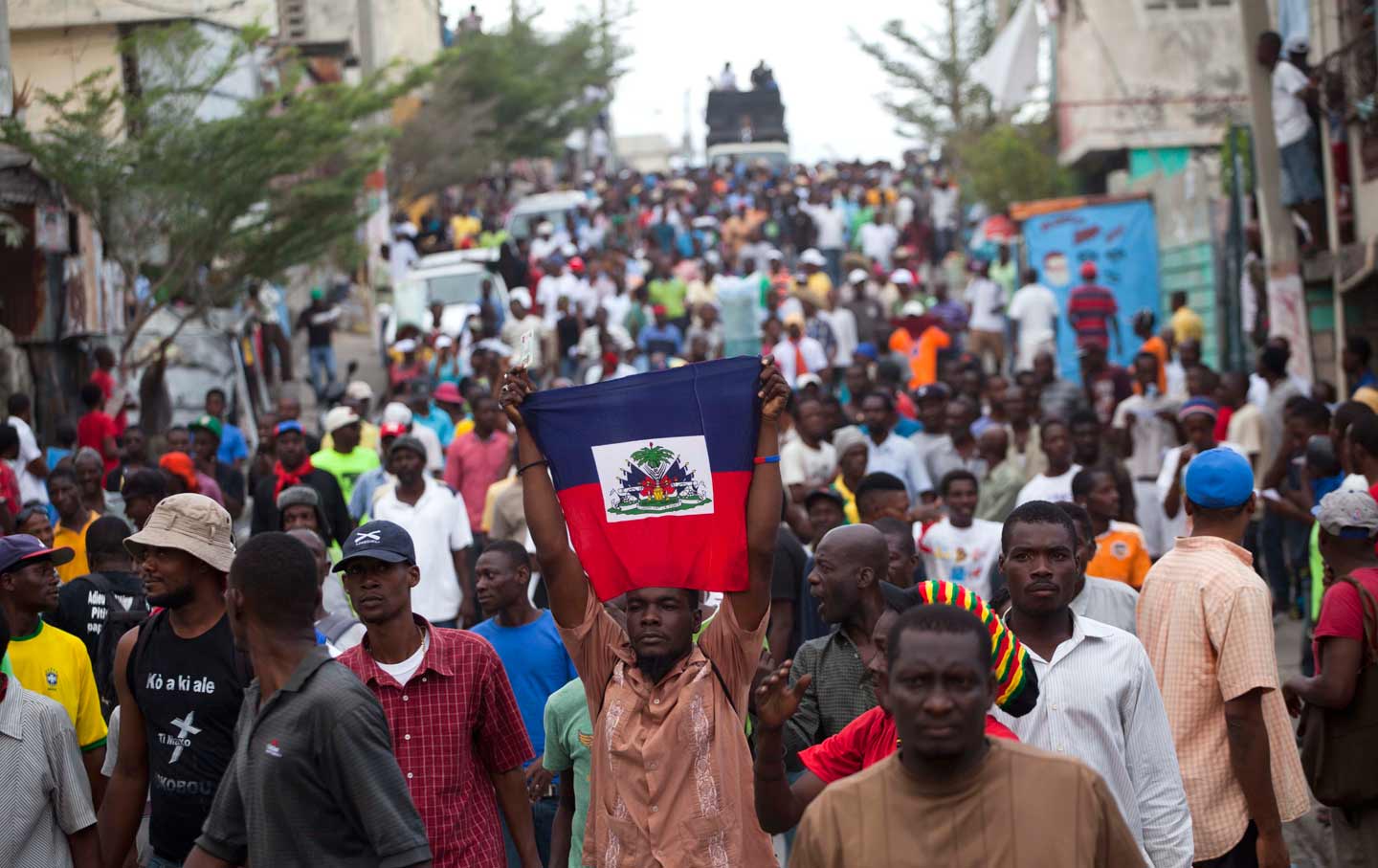
In addition, Haiti has a history that demonstrates its vulnerability to natural disasters. In 2010, the country was devastated by a 7.0 magnitude earthquake that claimed the lives of nearly 250,000 and displaced 1.5 million Haitians. Matthew, a category 4 hurricane, struck the island in 2015. The disaster claimed the lives of hundreds, displaced thousands and created a humanitarian crisis for over a million residents. The provision of foreign aid in Haiti has tremendously restored much of the damage incurred from these disasters. It has also been crucial in creating momentum in the nation’s development. The following are the five primary sectors in which Haiti has invested the $172.5M it has received in foreign aid from the United States.
Political Infrastructure and Democracy
Given its history of political instability, one of Haiti’s primary focuses is developing its democratic system and providing the means to facilitate the exchange of ideas between its government and constituents. To this end, programs have been instituted to improve the rule of law and the preservation of human rights, as well as investments in infrastructure, which provide mediums for constituents to interact with their political ecosystem. This comes in the form of developing media platforms and the formation of advocacy and interest groups. The country is currently in the midst of political gridlock, so the investments being made toward its democratic development are essential for Haiti’s development.
Economic Development
Like many developing countries, Haiti depends heavily on agriculture for economic output. To this end, the agriculture sector receives much of the aid allocated to economic development. Even with half of the Haitian workforce being employed in the agricultural sector, there is still a shortage of output. As nearly 60% of the country’s food supply has to be imported, there is still much room for development in this sector. Moreover, much of the remaining budgetary allocation that goes toward economic development is invested in infrastructure. This is absolutely essential in facilitating economic activity. This comes in the form of electric power lines and networks, gas stations, airports, railways, and more.
Administrative Costs
Every program instituted to carry out the functions necessary to assist in these developments requires manpower and infrastructure. Thus, it is paramount that a sizable percentage of Haiti’s foreign aid goes to this sector. This is the price of business in a developing country. Any given program or project requires personnel who need to be trained, housed and compensated. Furthermore, the housing programs require funding to compensate the contractors who build them and the cost of executing varying tasks. This expenditure can often be overlooked, but it is vital to development. Aside from the funding necessary to establish these programs, those who oversee these expenditures and evaluate the performance of the instituted programs receive aid compensation.
Humanitarian Efforts
The two natural disasters of the last decade have caused major developmental setbacks and internally displaced persons. Therefore, much of the foreign aid in Haiti goes into natural disaster readiness and the expenses involved in supporting those who have lost everything. It is through foreign aid that Haiti was able to house the 1.5M displaced individuals temporarily in the aftermath of the 2010 earthquake and again with the 188,000 displaced after hurricane Matthew in 2015. In 2020, this aid has helped Haiti battle not only with the health imperatives implicated by COVID-19, but in managing the increasing costs of its food imports. As a result of the pandemic, the global market put a premium on international trade, further straining Haiti’s budget.
Health Issues
Haiti puts the majority of its foreign aid towards health issues. These can include reproductive health, safe water supply, maternal and child health and now mitigating the spread of COVID-19. This investment of foreign aid has led to notable improvements in the state of these issues. An increase from 5% to 20% occurred in women being discharged with a long term contraceptive in place.
Additionally, access to potable water has increased from 43% to 59% in 2016 and there is an ongoing installation of proper sanitation facilities throughout the country. There has also been an increased effort to educate residents on the dangers of poor sanitation. The most pressing health issue that Haiti currently faces is the battle against HIV/AIDS; thus it demands the greatest allocation of aid invested in this sector. Roughly 160,000 Haitian residents live with this disease, and its spread is on the rise. However, through investments made in testing and treatment throughout the country, the progression of the rise in deaths and infections is slowing. Since 2010, deaths have decreased by 45% and the number of new cases per annum has changed from 8,800 to 7,300.
Haiti is a country where political turmoil, a struggling economy, food insecurity and considerable setbacks on all these fronts. Moreover, the results of natural disasters cause achieving a developed status to be difficult. However, foreign aid has played an essential role in Haiti’s recovery and in assisting in creating development momentum.
– Christian Montemayor
Photo: Flickr
