Female Health Care in Kenya Reduces Gender Inequality
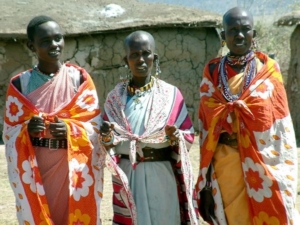 Poverty affects genders differently, with women often being more disadvantaged than men. Meeting the strategic needs of those living in poverty must be accompanied by fulfilling practical gender needs. This will ensure equal access to economic progress for all. One NGO is working to reduce gender discrimination by providing female health care in Kenya.
Girls in Danger
In the wake of COVID-19, mass closures of schools and businesses have further hindered the economic development of remote Kenyan districts. The strict COVID-19 guidelines implemented by local authorities have resulted in the closing of safe homes and centers for girls. The preoccupation with COVID-19 regulations led authorities to respond with minimal effort to address increased levels of violence against women and girls. On top of the pandemic, the country has fallen victim to other disasters. Extreme droughts and flooding, as well as a locust invasion, have lowered the food supply for rural areas.
These desperate circumstances leave low-income families with limited financial options. Some families have resorted to employing their young children and marrying off their daughters in exchange for money and cattle. This incites increased gender-based violence as child marriages leave girls vulnerable to sexual and physical violence.
Dr. Esho, who works on-site for Amref Health, said, “Including community systems in the prevention of and response to FGM/C (female genital mutilation and cutting) and child marriage is more important than ever. More women and girls are now at risk of harmful practices and gender-based violence.”
Centering Women in Health Care
Amref Health Africa is an NGO based in Nairobi, Kenya. It has been a crucial part of introducing health care services and technology to sub-Saharan Africa. Established in 1957, the organization has a long history of bringing modern medicine to rural African communities.
Amref Health Africa is proving how female empowerment is not just a social movement but a crucial factor in women’s livelihoods. The NGO dedicates much of its work to improving female health care in Kenya. Women often lack education on their sexual health, which impedes prudent, informed decisions regarding their futures. Advancements in female health care in Kenya can empower women to take control of their bodies and pregnancies. Additionally, it can offer better support to these women in their chosen paths.
Amref also aids women suffering from violence. Organization members, such as Dr. Esho, work jointly with local activists and health workers to construct a plan of action. The community members have firsthand knowledge and experience working with survivors of FGM/C and other cruelties, which Amref acknowledges and utilizes. Therefore, the NGO ensures victims are getting proper care and refuge from their abusive situations.
How to Help
Amref strives to bring awareness to gender-based violence and the positive effect of proper female health care in Kenya. With the hashtag #EndFGM, Amref is trying to engage international activists through social media. The organization is also accepting direct donations through its website.
One may feel powerless during times of international emergencies. However, this must not stop global citizens from doing their part to assist. Those who want to help can contact their congressmen and congresswomen as well as other representatives to protect the U.S.’s foreign aid budget. This will benefit NGOs, similar to Amref Health, that work closely with impoverished communities to identify unique problems and solutions.
– Lizt Garcia
Photo: Flickr
