Reaching for Energy Self-Sufficiency: The Renewable Energy in Honduras
 Honduras is one of the many countries in Central and South America that has begun using a variety of different forms of renewable energy. In 2012, the government passed reforms to help the country adopt renewable energy at a faster rate. Before the reformations, 70% of the energy produced in Honduras was from fossil fuels while only 30% came from renewable energy. Now, Honduras believes that by the end of the decade it will be able to use renewable resources for 95% of its energy needs.
Types of Renewable Energy
The two particular renewable energy resources that Honduras will be able to use is its hydropower and solar power. As of 2018, most of the renewable energy being produced in Honduras has been from hydropower—it makes up 34% of country’s renewable energy. The country is estimated to be able to produce 5,000 MW with its hydropower alone.
Solar power is also another dominant form of renewable energy which makes up 10% of energy consumption. Honduras’ solar market is now the second largest in all of Latin America, with Chile being the first. Honduras is also one of the first non-island countries that has been able to use 10% of its solar energy for electric generation.
Other forms of renewable energy include biomass at 10%, wind at 7% and geothermal at 1%.
Honduras has switched to renewable energy as a means of being self-sufficient. This is especially important considering that it was the second poorest country in Central America as of 2017. Thankfully, the country can reach the energy self-sufficiency it desires with its abundant renewable energy sources.
Private Sector
One way renewable energy has helped Honduras has been by allowing private companies to be more efficient with their energy usage. One such company is the Invema Plant. The Invema Plant is the primary plastic recycler in Honduras. The company installed solar panels on its buildings and reduced their electricity usage by 30%. As a result, the company reinvests the monetary electricity savings to further recycle plastic.
Where it Stands
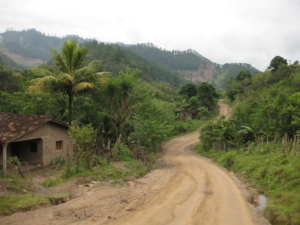
The transition to renewable energy has also been beneficial to impoverished rural communities. These communities are receiving electricity that they previously had no access to. Under the Honduran Renewable Energy Project for Rural Development, solar energy projects have been implemented in rural communities where there is limited access to electricity. The project has already benefited 1,075 communities spreading across Ocotepeque, Lempira, Copan, Intibuca, Santa Barbara and La Paz. This type of improvement in rural communities is especially helpful considering many impoverished Hondurans live in rural communities.
While it is impressive that renewable energy efforts have been made in Honduras to improve people’s quality of life and stimulate the economy, much work remains to be completed. Hondurans still do not have universal access to electricity. Only 87% of the population had access to electricity in 2016, which largely compromised of Hondurans living in urban cities. For citizens to feel the full benefits of renewable energy in Honduras, everyone must have access to electricity.
Regardless of the challenges that still face Honduras, that country has been able to make a good deal of progress in building energy self-sufficiency since the reform implementations.
—Jacob Lee
Photo: Flickr
