Innovative Solutions for Period Poverty in Uganda
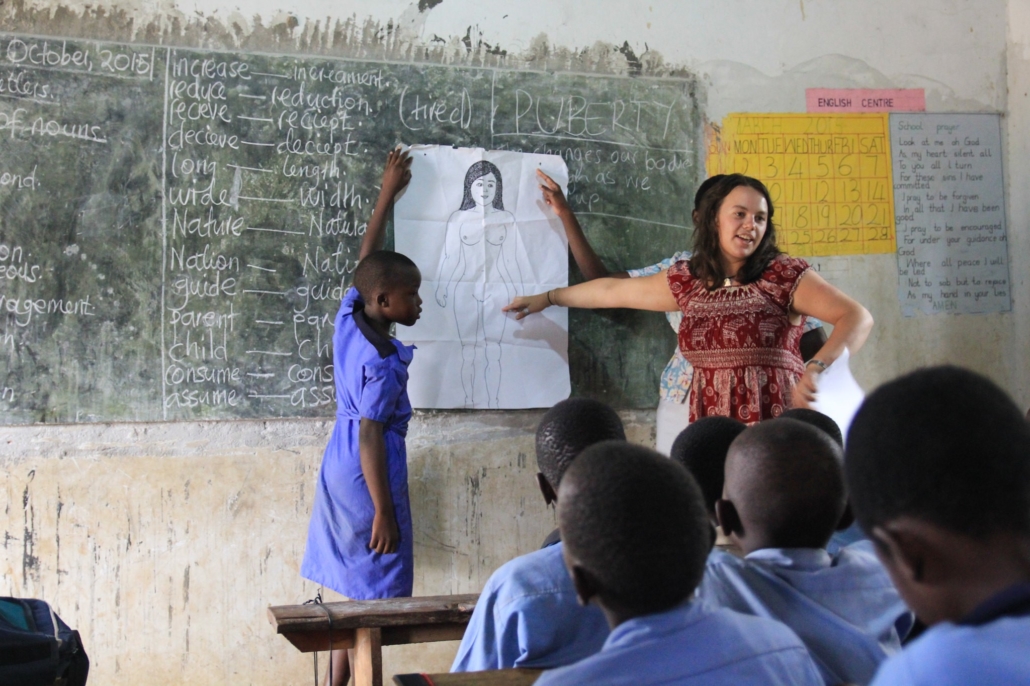
Uganda’s Ministry of Education reported that, as of 2019, nearly one in every four Ugandan girls between ages 12 to 18 will drop out of school once they begin menstruating. For those who do attend school, girls’ absence rates triple from 7% to 28% during their periods. Dropping out of school decreases their likelihood of escaping the cycle of poverty and increases their chances of early marriage and motherhood. Like many other international leaders, the Ugandan minister of higher education, John Chrysostom Muyingo, stresses the importance of girls’ school attendance, adding that this must include proper menstrual health practices. He articulates that period poverty in Uganda seriously jeopardizes Uganda’s likelihood of reaching many of the UN Sustainable Development Goals (SDGs), especially those which concern gender equality, education and health care.
Understanding Period Poverty in Uganda
The definition of period poverty is inadequate access to menstrual health care and sanitation, as well as the stigma and shame surrounding menstruation that prevents menstruating women from fully participating in society. Poverty, education and a lack of waste and sanitation management exacerbate the global problem of period poverty.
In 2015, the Ugandan government rolled out an initiative to work alongside NGOs and schools to improve access to menstrual care. However, reports indicate that Uganda’s school system has failed to improve these rates. Poor washing and hygiene facilities that make product removal and privacy difficult, as well as the embezzlement of funding for pads and sanitation infrastructure improvements, have hampered the initiative’s success. A profound stigma surrounding menstruation also exists as people often perceive it as dirty and a private matter. This makes educating girls and boys on the matter difficult without proper funding and insistence. Additionally, despite a 2017 tax removal on sanitation products, they still cost around $2 USD per package, unaffordable for those living in poverty.
Developing Sustainable Solutions
Fortunately, several organizations are working tirelessly to combat period poverty in Uganda. The Red Cross and AFRIpads, a local manufacturer, have partnered with the Ugandan government for the Keep a Girl in School Initiative to provide girls with sanitation products and educational services. AFRIpads’ reusable pads help tackle the problems of waste and affordability. The Binance Charity Foundation uses cryptocurrency donations to directly reach women in need to circumvent corruption within the school systems. To date, the organization has helped over 1,400 girls in Uganda pay for sanitation pads.
PLAN International has worked with schools in Torono, Uganda by adding doors to toilets for privacy and creating “menstrual hygiene management clubs.” Both girls and boys between the ages of 11 to 18 learn about periods and make reusable products for the girls to take home. The clubs use songs and other fun activities to create a positive culture surrounding menstruation, using roleplay to combat social norms. Educators have been highly supportive of this initiative and noticed a change in boys’ attitudes and support and girls’ attendance.
Men Making an Impact
This is not the only initiative that has stressed the role of men in creating supportive environments for girls’ health. One church in Mulatsi, Uganda, realized that period poverty was the biggest problem the community reported. One father, Milton, became motivated to improve the situation for his daughters but noted the high cost of pads. With a church organization, he and his community work to educate and make reusable pads, which cost only $1.50 USD and last an entire year. Other men judged Milton for his involvement in this but Milton has insisted that fathers must involve themselves in reducing period poverty in Uganda for their daughters’ sake. The project’s success inspired more churches to join the movement, which has educated 4,800 boys and girls about periods and proper feminine care.
The Ganda Boys are another male group supporting the cause. This group, made up of male musicians, has helped over 2,000 girls gain access to menstrual products using donations they received from their performances. After moving to the U.K., the men give back by working in refugee camps to improve menstrual hygiene education.
Period poverty in Uganda is far from being solved, and it presents a threat to Uganda’s SDGs. Yet, it has presented several opportunities for innovative solutions that can be learned from. While funding for supplies and sanitation improvements may come from all over the world, local communities are working to untangle deep-rooted stigmas. The inclusion of men and boys in educating about women’s and sexual health has contributed to the success of these projects. With continued government and INGO support, period poverty in Uganda can reduce, and more girls can continue their education.
– Elizabeth Stankovits
Photo: Flickr
