5 Facts About Period Poverty in Cambodia
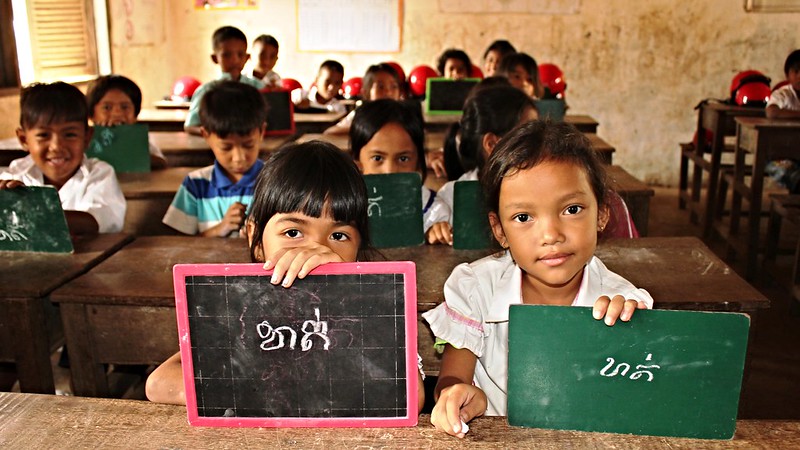
Period poverty affects women and girls around the globe who cannot afford safe, sanitary products or are unable to receive information about safe period practices due to stigma. Poor period hygiene can lead to many health risks, such as urinary tract infections and reproductive infections. About 50% of the people in Cambodia are women, but people do not talk about period poverty as they deem it a taboo subject.
As of 2019, the poverty rate in Cambodia was 12.9%. However, this number could increase to around 20% due to the coronavirus pandemic. This rise in the poverty rate will leave millions of women and girls vulnerable. Here are five facts regarding period poverty in Cambodia.
5 Facts About Period Poverty in Cambodia
- Girls are often in shock when they get their first period. Periods in Cambodia are known as “mokrodou” or the coming season. Notably, many public schools do not teach health education or menstrual hygiene. Cambodians view periods as dirty, which makes menstruation a taboo subject within the country. Consequently, mothers pass down information to daughters, which causes the following of cultural, instead of medical norms. Girls may not shower during their period to keep their skin clean. Parents also forbid girls from swimming for fear they will dirty the water. Finally, parents forbid these girls from eating certain foods believed to disrupt the menstrual cycle.
- Of schools in Cambodia, 50% do not have a reliable water supply. In addition to not having reliable water, 33% of schools do not have latrines. Period poverty in Cambodia greatly affects girls in school. Even if girls learn about sanitary period practices, it is difficult to maintain sanitation when schools do not have water or toilets. UNICEF has found that a lack of sanitation facilities can increase a girl’s likelihood to skip school during their period. While at school, girls do not have access to clean, sanitary pads or private facilities to properly dispose of products. Therefore, they prefer to use a toilet and have privacy at home.
- Most people cannot afford proper sanitary pads. The national poverty line is $0.93 per person, per day. In Cambodia, a pack of six sanitary pads costs around $3 and they are often difficult to find. Consequently, girls and women often use rags for days at a time instead of sanitary products. This, in turn, often leads to infections, which left untreated can cause permanent health problems, like infertility.
- Some schools have implemented menstruation education programs. Snor Khley primary school has recognized the issue of period poverty in Cambodia. It has begun to implement menstrual health management classes to help students better manage their periods. The class encourages both boys and girls to talk openly about menstrual health to destigmatize the subject. The school has also introduced new, hygienic school facilities for girls to practice safe hygiene. Additionally, the school distributes the “Growth and Changes Booklet,” which discusses puberty, to all students. The book has helped more than 122,000 students gain a better understanding of the physical and emotional changes that occur during puberty.
- Reusable Maxi Pads are emerging as sanitary alternatives. Sovanvotey Hok started a business called Green Lady, which makes environmentally friendly and affordable menstrual products. Apart from making affordable products, the business also employs local housewives to make the products. The reusable pads last up to three years and the business has sold 1,850 pads. Green Lady’s product prevents the use of about 96,000 disposable pads, most of which contain noxious materials such as bleach.
An End to Period Poverty
Period poverty in Cambodia is a threat to women’s health as unsanitary period practices lead to infections. Period poverty also affects women’s ability to receive an education as many schools do not have the proper facilities to support menstruating girls. However, as the use of reusable period products becomes more mainstream and continued education and programs in schools develop — hopefully, the stigma surrounding periods will come to an end.
– Rae Brozovich
Photo: Flickr
