3 Groups Fighting Disease in Nicaragua
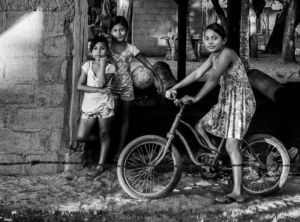 In Nicaragua, 30% of people live below the poverty line, making it the poorest nation in Central America. Not surprisingly, the risk of major infectious diseases in the nation was labeled as high in 2020. Therefore, a major step towards fighting poverty is to fight disease in Nicaragua.
The Foundation for International Medical Relief of Children (FIMRC), Project Hope, and AMOS Health and Hope all fight disease in Nicaragua with different approaches. All of these organizations have similar health-related missions and make a considerable impact on the lives of those in need. Both FIMRC and AMOS focus their efforts on the youth impacted by diseases rather than the entirety of communities. Project Hope can assist a wider range of ages as it focuses its efforts on a smaller region than the other organizations.
The Foundation for International Medical Relief of Children
The Foundation for International Medical Relief of Children is a nonprofit working to create sustainable health services for those in need. For almost two decades, the organization has been helping vulnerable health communities through three areas of pediatric clinical services, health education and special initiatives.
The organization’s Nicaragua program Project Limón illustrates its success. Limón is popular for tourists; however, the surrounding areas are considered vulnerable as many locals are left without health services. For instance, 17% of children 5 years and younger in Nicaragua are impacted by chronic malnutrition. FIMRC is working to lower this percentage and disease in Nicaragua in general by catering its program around community needs. After assessing their needs, the organization began to build clinics and provide medical care.
Project Hope
Project Hope focuses its health services on those suffering from diabetes. It also stands out as it concentrates on supporting health professionals. For instance, the organization trains and assists health care workers to maximize the number of people they can help. It places a large emphasis on education rather than aid.
Project Hope began fighting disease in Nicaragua through its partnership with the University of León. Through the partnership, the organization began to establish itself in the nation and support the health infrastructure. For instance, with the help of one of its partners, it administered over a million vaccines of Pneumovax to the population. Also, one of its successful programs benefitted nearly 9,000 women and children through “health education as well as micro-lending training.”
AMOS Health and Hope
AMOS Health and Hope has a broader plan of action compared to the other two groups. The group’s mission statement is to ensure children are not dying from preventable diseases. Similar to FIMRC, it works directly with the community it aims to help to develop long-term health solutions. Its solutions to fight disease in Nicaragua are based around three main pillars: treat, prevent and strengthen.
Although its mission statement is broad, AMOS only works within Nicaragua, catering towards those in vulnerable communities. Within the nation, its efforts help 24 different communities in need. Thus far, it has trained 670 health services workers in those communities and has helped 74,600 individuals.
Overall, although groups have different approaches to fighting disease in Nicaragua, their efforts all work to assist those in need of health services. Supporting the health workers and those in need ensures that both sides of the issue are met.
– Erica Burns
Photo: Flickr
