Increased Research & Disease Treatment in Bangladesh
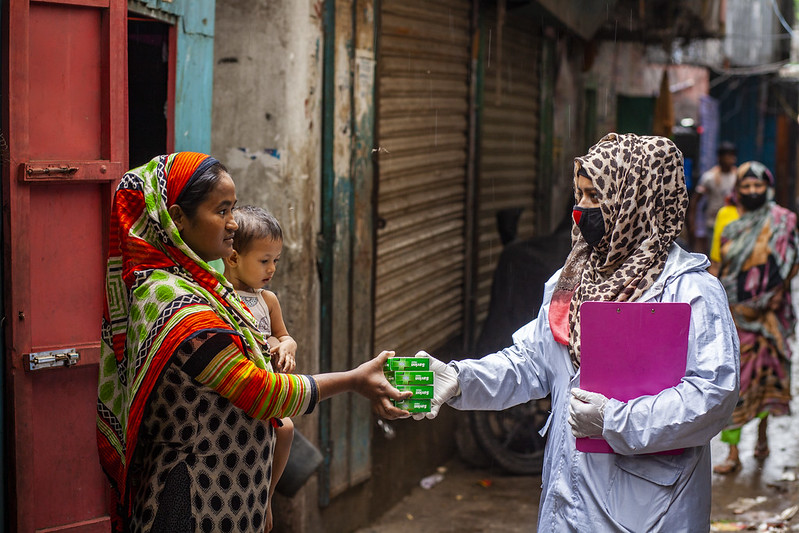
The country of Bangladesh sits in the Northeastern region of the Indian subcontinent. Also, it is one of the most densely populated nations in the world. This high population of more than 166.2 million has been hard hit by disease. For example, the primary causes of death in Bangladesh include respiratory diseases, such as tuberculosis. To combat the threat posed to its citizens, the government installed many hospitals and rural health centers to treat tuberculosis and other fatal yet common diseases. Moreover, cholera and malaria also fall into this category of fatal, common diseases plaguing Bangladesh. These centers came about to improve disease treatment in Bangladesh, especially in the more rural regions. Unfortunately, it is these rural regions where such services would normally be scarce.
Problems and Progress
The Bangladesh Council of Scientific and Industrial Research (BCSIR) and the International Center for Diarrhoeal Disease Research, Bangladesh (ICDDR,B), located in Dhaka, have both worked with the Centers for Disease Control and Prevention (CDC). This joint effort aims to conduct public health research. The organizations seek to gather more information to categorize and treat a multitude of diseases, such as encephalitis, rotavirus, polio, and viral hepatitis. The main hope of these programs is to learn more about the transmission of the pathogens in question and their ability to spread between hosts of different geographic areas.
Also, the CDC assists government staff on effective and efficient techniques to investigate the conditions and cases of a disease outbreak. Moreover, the CDC also provides guidance and instruction on how to respond to public health threats. Policymakers have referenced medical studies to help them make better-informed decisions about introducing vaccines and other interventions. All of this, to improve disease treatment in Bangladesh.
The Impact of COVID-19
Currently, it is these services that the nation looks toward in hopes of dealing with the ongoing, new coronavirus pandemic. The virus has had a dramatic, negative impact on Bangladesh on many fronts. There have been nearly 17,000 deaths within the past few months — with the first cases being detected in early March 2020. The nation’s economy has also taken a massive hit. The annual economic growth had remained steady at around 7% for the past decade. However, now it suddenly dropped to an estimated 2%. This could potentially prove problematic for plans to increase domestic aid. Less trade and resources mean that loans would have to be taken out, to support citizens. This, alongside the projected $250 million required for clinical testing and equipment.
Vulnerable, Rural Populations: A Potential Solution
Bangladesh is working with other research centers to push for potential treatments and research on the virus. Since more than 63% of the population lives in rural areas, the situation is complex. For example, typical prevention methods in place, world-wide, such as lockdowns and social distancing will not be viable in the long-term. Many citizens are poor farmers and will be unable to provide for themselves and their families if quarantining persists for months at a time. However, a potential solution is on the horizon. With the help of the armed forces, it may be possible to install a system of clean and non-contact rationing, to provide people with the supplies and food they need. In theory, such as service could also provide medical supplies to hospitals, volunteer groups and other medical centers working on disease treatment in Bangladesh.
The economic situation of Bangladesh makes plans for dealing with the coronavirus tenuous at best. However, through their strong connections to research institutions and global organizations dedicated to providing support for these scenarios, disease treatment in Bangladesh can still be managed. Regardless of the large scale of diseases and pandemics.
– Aditya Daita
Photo: Flickr
