5 Facts About Hunger in Barbados
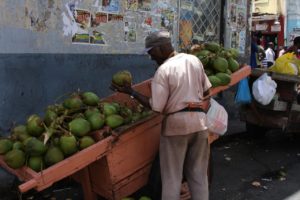 The population of Barbados is approximately 290,000. While hunger rates have drastically fallen within the last two decades, a new problem emerges—childhood obesity. The onset of the COVID-19 pandemic posed additional threats to both of these issues in the scarcity of healthy options or food altogether. In addition, the decreases in GDP indicate the economic consequences of lost tourism revenue. Here are five facts covering the state of hunger in Barbados as they recover from the impact of coronavirus.
5 Facts About Hunger in Barbados
- Pervasiveness: In 2004, roughly one in 16 Barbadians’ food intake fell below the necessary consumption requirements to meet efficient dietary standards. As of 2017, 3.9% of the population experiences undernourishment, which is a 0.1% increase from the previous year. However, there is a decreasing trend in the percentage of malnourished people in Barbados.
- Agriculture: In 2018, 22.6% of Barbados’ merchandise imports were food products, a near 3% increase from the previous year. Barbados is unique compared to other impoverished nations in that most of its land is arable. Large farm complexes tend to dominate the agricultural industry, with sugar production previously leading the economy until the 1950s. As sugar prices decreased, government efforts to diversify food production led to significant increases in local food resources. Modernization programs continue to support fishing and foliage industries.
- COVID-19’s Impact: Compared to other impoverished nations and the United States, Barbados handled the pandemic fairly efficiently. Following 35 days with no reported new cases, Prime Minister Mia Amor Mottley lifted flight restrictions and all curfews were no longer in effect beginning July 1. However, a joint report by the Economic Commission for Latin America and the Caribbean and the Food and Agriculture Organization of the United Nations (FAO) projected that COVID-19 could push 83.4 million people in Latin America and the Caribbean into extreme poverty. Fortunately, Barbados’ competency in pandemic response resulted in the coronavirus posing no significant additional threat to food security. In the Eastern Caribbean, over 40% of GDP and 25% of private-sector employment comes from tourism. With the pandemic under control, Barbados is likely to recover from the months-long travel standstill.
- Negative Impacts: While hunger in Barbados rapidly decreased in the last few decades, a new problem emerged: childhood obesity. A 2012 World Health Organization survey found that 31.5% of school children were overweight and 14.4% were obese. Minister of Agriculture and Food Security Weir is taking the lead in finding effective solutions against childhood obesity. This includes increasing access to nutritious foods and cooperating with fast-food businesses to help find solutions. The Barbados Childhood Obesity Prevention Program (B-CHOPP) plans to take “a broader and more systemic approach.” B-CHOPP is looking at disparities in access to healthy food. The plan promoted five strategic actions, including promoting healthy school initiatives and physical activity.
- Progress: Zero Hunger is the second goal in the United Nation’s Development Program (UNDP). In Barbados and the Eastern Caribbean, UNDP is currently working on multiple projects. This includes transforming food and agriculture while actively combatting climate change. According to the United Nations, the last 20 years have shown considerable strides in increasing food security. This is due to economic progress and agricultural productivity. A 2019 FAO report reveals that the objective of the U.N.’s sustainability programs empowers small farmers and family farms to increase food production and productivity. This sustainability model also plays into using limited resources for effective aquaponics. In addition, a 2017 FAO report found that the test facilities were “fully operational and… actively producing fish and vegetables for sale.” While hunger is significantly lower than before, local and international organizations continue to fight hunger in Barbados.
From the ongoing success of the UNDP, FAO and other local and international associations, Barbados continues to address food insecurity and promoting nutrition to its citizens. Yet, the emphasis on local programs that simultaneously combat global and local issues, like climate change, demonstrates the workings of a multi-pronged approach to combat hunger.
– Francesca Gaynor
Photo: Flickr
