4 Facts about Homelessness in Nicaragua
 Nicaragua, a Central American nation between the Pacific and the Caribbean Sea, has a population of more than 6 million. Unfortunately, homelessness is a current struggle in the country. The homeless are known as some of the most marginalized groups in Nicaragua, and the population of homelessness is only increasing. Currently, around “30% of the population lives on about$2 per day.” As Nicaragua lacks the key characteristics of a well-developed country, a correlative relationship between development and homelessness. Here are four facts about homelessness in Nicaragua.
4 Facts about Homelessness in Nicaragua
- A strong factor in homelessness is mental illness. Compared to the general population, the homeless population has a more difficult time seeking help and beneficial resources because of the prevalence of mental illness. Recent studies state that reports of mental illnesses are increasing. The main cause is a combination of economic problems and the difficulty of social interactions, especially with family members.
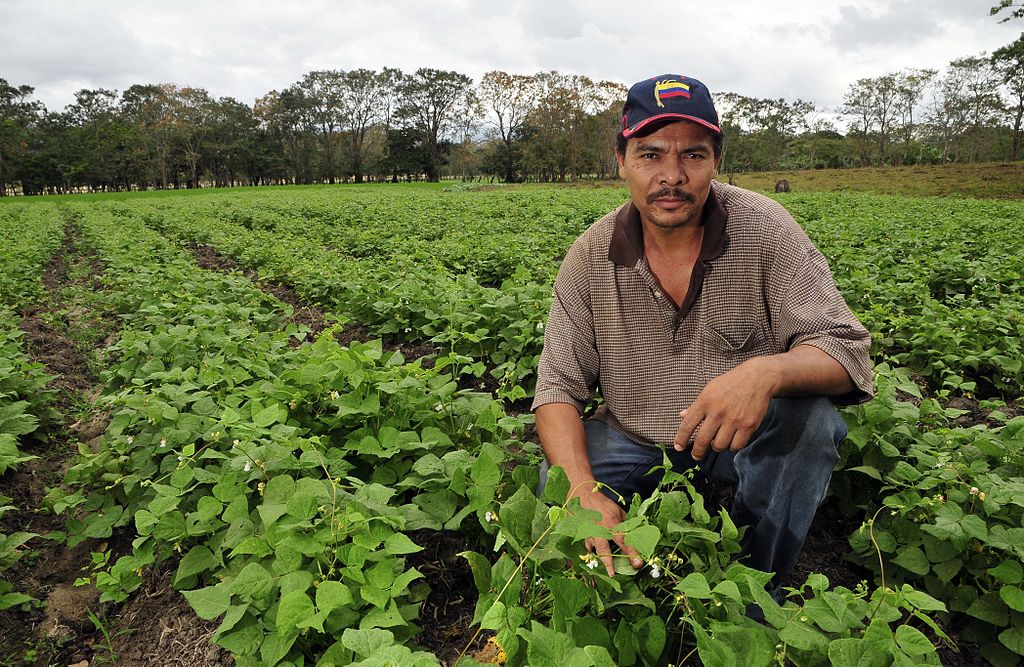
- With such a high percentage of people living in poverty, there are very limited opportunities for education and development. Families often operate farms for healthy crops, but they struggle to make a comfortable living. For some who don’t make a successful living growing crops, it may lead to homelessness. The Opportunity International Program has helped improve Nicaragua’s agriculture with “loans and technical assistance” with higher-quality crops. Crop growth has increased by 30%. The organization also fights homelessness in Nicaragua by giving the children of struggling families opportunities to receive an education. Opportunity International has partnered with more than 20 leaders to help downsize the number of homeless Nicaraguans struggling to make good livelihoods.
- Natural disasters in Nicaragua are major contributors to homelessness. Since the 2007 Hurricane Felix, as well as the prior and subsequent weeks of heavy rain, rural parts of Nicaragua are still struggling to recover. This has left a total of 436,000 homeless. The storm also destroyed large amounts of agricultural land and forests, further devastating the livelihoods of those with farms. International responses have been actively sending aid to the least developed areas of the country as well as where homelessness is most prevalent.
- Social organizations and students have volunteered for years to aid poor, homeless communities in Nicaragua. Habitat For Humanity has been working in poor rural areas since 1984. It continues to mobilize volunteers to take action in Nicaragua’s homeless communities by building small homes. It has helped supply 91,900 people in need throughout the country. To ameliorate the homeless problem, the organization estimates that Nicaragua still needs an additional 957,000 in housing improvements and new home construction projects. Habitat For Humanity continues to mobilize students to take action in Nicaragua’s homelessness starting by helping build small homes.
These points mark four facts about homelessness in Nicaragua. There is a strong need for economic improvements in order to reduce the homeless population. The first step is creating more homes for families to stay in and improving the current homes with more available resources. Furthermore, improvements in crop production can help families in agriculture earn a sustainable living.
– Rachel Hernandez
Photo: Wikimedia Commons
