The Growth of African Coffee
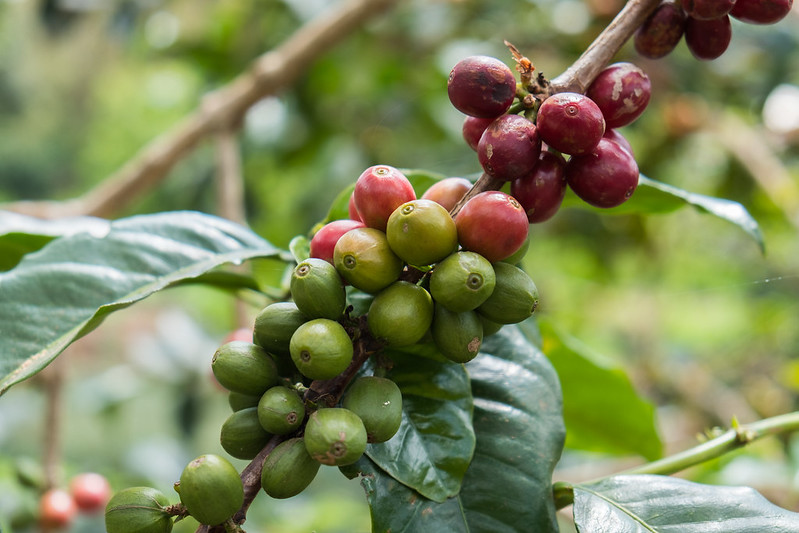
Global demand for coffee consistently grows every year, and most coffee comes from regions close to the equator. Africa’s suitable climate and geography produces a unique bean that many people crave. However, only one of the top five coffee-producing countries is African, indicating great potential for the growth of African coffee.
Growth Potential
Although other countries produce more coffee beans than African countries, industry leaders such as Brazil, Vietnam and Colombia do not strictly control the marketplace because not all coffee is equal. Unlike other products such as steel or oil, coffee is a product that differs by region, elevation, soil and climate. Because consumers demand a diversity of beans, new countries that are suitable to grow coffee face fewer entry barriers and establish a niche in the coffee market.
Ethiopia takes the lead in coffee production among African countries and still has an additional 5.4 million hectares of suitable farmland available for future growth. Experts expect that the country will produce a record amount in 2020 and increase its exports to 4 million 60-kilogram bags. The profits from the growth of African coffee directly benefits the people because the production is more democratized than the production of other resources. Coffee is a renewable source of wealth that most Africans have access to, unlike resources like oil or diamonds that require expensive infrastructure to extract and sell.
Localized Production
Unlike other cash crops, families often grow coffee on small localized farms. Many African coffee farmers own small plots and sell their beans at larger markets that they then export around the world. The ability of individual farmers to grow their own crops empowers the individual to grow and prosper. Instead of large fields that hire workers at low wages, localized coffee farms provide opportunity and self-sufficient careers for the people of Africa.
To combat poverty, it is crucial that individuals have the ability to grow their own wealth and establish generational wealth in families when the farm passes down from parents to children. People that work on large farms for hourly wages are unable to grow their wealth for future generations as well as someone that owns their source of income. When people own coffee trees, they can invest their earning and expand their farm and subsequent wealth. Then, the children of parents with coffee farms can further grow the farm their parents invested in and live a more prosperous life than their parents. The localized production of African coffee beans creates generational wealth and improves the standard of living for future African children.
Investing in the Future
The growth of African coffee will provide generational wealth for the future and continue to prosper as the global demand for coffee increases. Consumers enjoy unique African coffee beans and will continue to import coffee as African countries such as Ethiopia ramp up production to meet the growing demand. The profit directly benefits the farmers who sell their beans at markets for export around the world. Family-owned farms provide a source of income that people can invest and use to expand existing coffee farms. There are millions of acres yet to be farmed, and many impoverished people that will benefit from the growth of African coffee.
– Noah Kleinert
Photo: Flickr
