5 Challenges to Mental Health in Africa
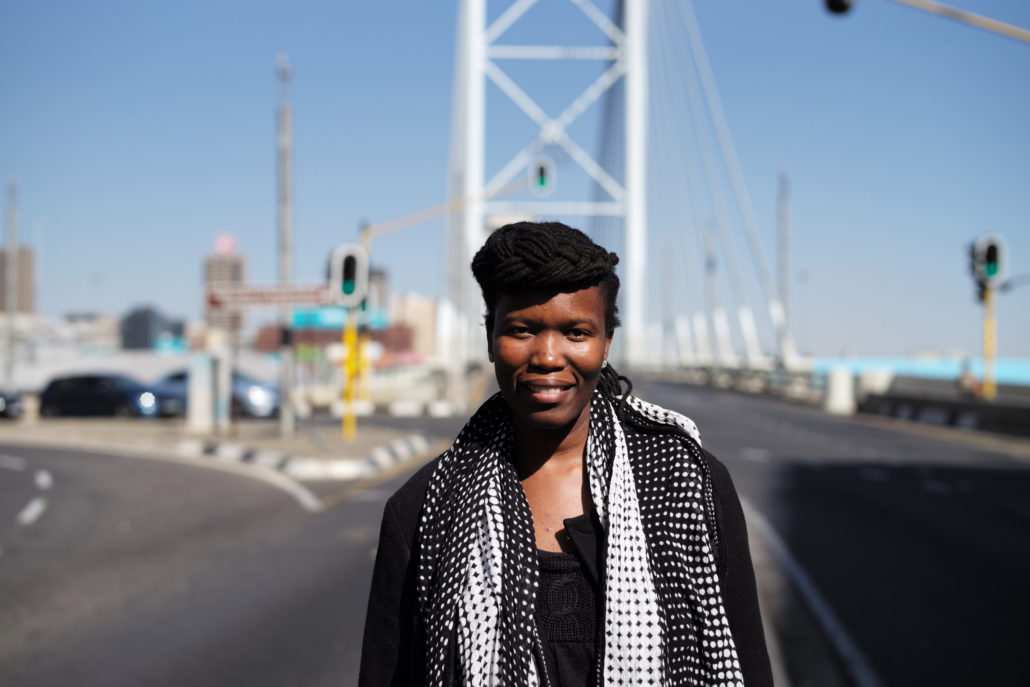
Africa still has a long way to go in terms of mental health awareness and care. Mental health is highly stigmatized and there are not enough mental health facilities or resources for the people. In Africa, the average number of psychiatrists is 0.05/100,000 population, while in Europe it is 9/100,000 population. Here are five challenges to mental health in Africa.
5 Challenges to Mental Health in Africa
- Poverty: There is a strong correlation between different mental illnesses and the socioeconomic status of patients. According to The Conversation, when people are stressed about searching for basic resources for survival like food and stable sources of income, this stress affects their mental health. Furthermore, the healthcare expenses are high, making them inaccessible to some. People with mental health problems may also have more trouble with functioning effectively which can harm their financial resources as well.
- War and Conflict: Various African countries endure tribal wars and terrorist groups. These wars affect the population’s mental health — especially the victims. Commonwealth Health reported that more than half “of refugees have mental health problems from post-traumatic stress disorder to chronic mental illness.”
- Insufficient Resources: Most African countries spend less than 1% of their budget on mental health. Additionally, mental health is not a popular subject; therefore, there are few higher education facilities teaching about it. The stigma around it prevents graduates from enrolling in mental health-related programs. As a result of this shortage, the Mental Health Innovation Network states that “90% of people with mental illnesses have no access to treatment, especially in poor and in rural areas.”
- Lack of Awareness: Mental illness is a taboo topic in some African cultures. A study done by BioMed Central in Northern Nigeria found that at least 34.3% of respondents believed that drug and alcohol abuse was “a major cause of mental illness.” Commonwealth Health reports that the widespread stigma makes families hide their members who are suffering from mental illness because of the discrimination they have to endure.
- Other Diseases: Many African countries are still fighting a number of deadly communicable diseases such as HIV/AIDS, cholera, malaria and tuberculosis. As a result, the governments of these nations prioritize helping people survive these illnesses. A mere 3% of Nigeria’s health budget is invested in mental health: the other 97% goes to other health departments. This means that people with functional mental disorders are usually unnoticed and have difficulties accessing appropriate professional help.
Despite all the issues, progress is steadily being made. In Burundi, lay community counselors started screening people and encouraging dialogue about mental health. They emphasized educating parents about better ways to discipline children without causing trauma. Additionally, cognitive behavioral therapy has been helping people in Sub-Saharan Africa to deal with depression. Crisis assistance hotlines were also put in place to help those struggling with suicidal thoughts and other urgent crises. All these intervention alternatives highly depend on the community counselors to integrate the strategies with their respective cultures in order to provide relevant solutions.
Many African nations are trying to invest more in mental health and encourage people to seek professional help. Moving forward, countries must continue to support mental health research and intervention measures, prioritizing both the mental and physical health of Africans.
– Renova Uwingabire
Photo: Flickr
