Water, Sanitation and Hygiene: WASH in Haiti
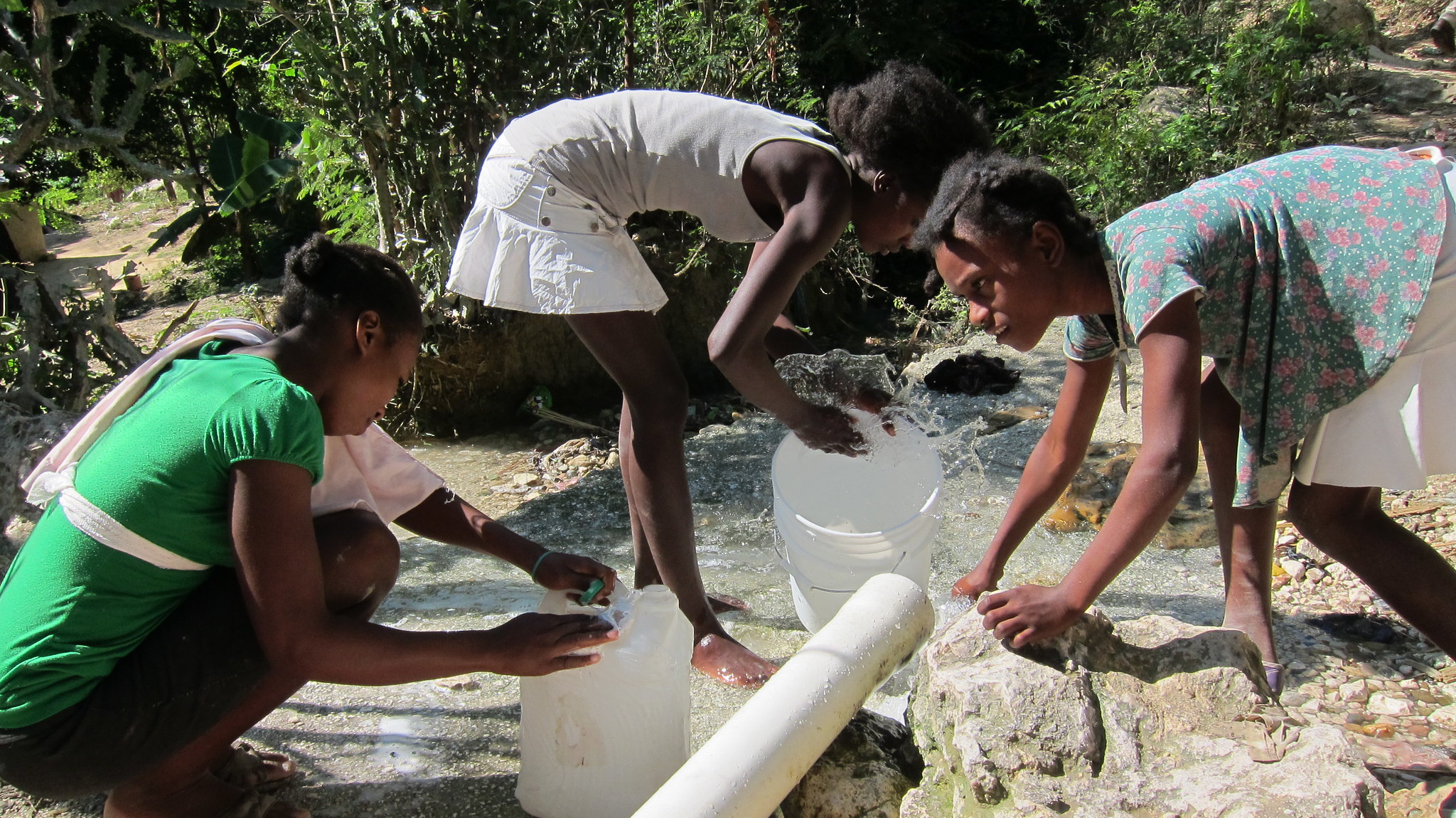 Post-colonial social, political and economic insecurity, coupled with Haiti’s susceptibility to extreme weather events, has led to inadequate access to potable water and proper sanitation in the country. Consequently, 80% of rural Haitians lack direct access to sanitation facilities. In addition, only 40% have access to an improved water source. This has left many people living in Haiti vulnerable to a variety of waterborne illnesses such as typhoid, cholera and chronic diarrhea. It is estimated that one in six Haitian children under the age of 5 die from diarrhea. While access to adequate water, sanitation and hygiene (WASH), is still a substantial issue, the good news is that many efforts are being made in recent years to improve WASH in Haiti.
5 Organizations That Are Working to Improve WASH in Haiti:
- Promises for Haiti aims to “demonstrate the love of Jesus Christ” by empowering Haitian governmental leaders to effect change for vulnerable populations. Founded in 1981, the organization works to improve WASH in Haiti specifically through their agronomy program to eliminate Haitian citizens’ susceptibility to waterborne illnesses. Accomplishing this action involves allowing people further access to WASH facilities. The organization partnered with Comite Bienfaisance de Pignon (CBP) to maintain over 2,000 wells in and around the Pignon area. Additionally, they have built wells in each of the nine Christian schools founded in the region. The organization sustains its agronomy program through online donations by visitors to the website that are passionate about the cause.
- Founders, Dick and Barb, established Friends of the Children of Haiti (FOTCOH) after taking a medical mission trip to Haiti. The organization, founded in the 1970s, completed its first clinic in Cyadier, Haiti, in 2000. Through their program, FOTCOH WASH, it aims to teach the importance of maintaining hygiene and the proper methods of storing water. This program enacts an array of activities dedicated to the betterment of WASH in Haiti. This includes building latrines, testing household water quality and distributing hygiene and personal care kits. Through their education clinics, FOTCOH demonstrates that the key to creating change in WASH is education coupled with actionable initiatives. The clinic treats over 15,000 patients a year
- Haiti National Clean Water, Sanitation and Hygiene Strategy (HANWASH) is a national initiative in Haiti. It is a collaboration between multiple organizations: The Haiti National WASH, DINEPA and other non-governmental organizations. The organization’s main objective is to obtain sustainable WASH for all Haitian citizens by 2030 through a systemic approach. This means establishing efficient infrastructure and ensuring that community leaders have the means to sustain these facilities in the long-term. Fulfilling the objective requires promoting accountability and establishing clear lines of authority. Although the program is still in the pilot stages, they aim to establish their second $300,000 grant through rotary and pledge donations.
- Hope for Haiti projects that, in the face of adversity, there is hope for improvement through resilience, empowerment, accountability and collaboration. Since its founding in 1990, the organization has implemented WASH programs in 24 communities. These programs work to provide clean water to Haitian citizens and conduct public health sessions to educate on the merits of basic hygiene practices and methods to avoid waterborne illnesses. In the wake of the COVID-19 pandemic, the organization has been working ceaselessly to respond to Haiti’s needs. To date, they have distributed $10 million in medical supplies and 5,450 Sawyer Water Filtration Systems. These actions allow for safe drinking water. Their goal in the coming months is to distribute 7,300 more hygiene kits and 550 Sawyer Water Filtration Systems.
- Following the example of Mother Teresa, Health Equity International founded St. Boniface Hospital in 1983. St. Boniface Hospital is now the largest and only tertiary care center in southern Haiti. Their main efforts are to maintain the hospital’s access to clean drinking water while working in the surrounding Fond des Blancs community and to provide water tablets and hygiene education to prevent waterborne illnesses. The organization also recognizes the importance of tackling future issues as evidenced by their coronavirus response. Over the last three months of COVID-19, they have provided the Triage and Treatment Center and handwashing stations.
There is still much work to be done in order to ensure that everyone in Haiti has access to adequate water and sanitation facilities. However, these organizations demonstrate that there is hope for WASH in Haiti through passionate humanitarian efforts.
– Kira Lucas
Photo: Flickr
