9 Facts about Life Expectancy in Bahrain
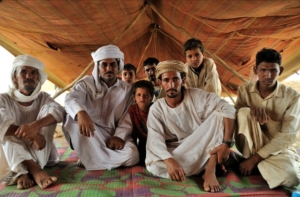
The Kingdom of Bahrain is the island nation between Saudi Arabia and Qatar. This former British protectorate achieved its independence in 1971. Since the discovery of oil in the mid-20th century, Bahrain’s petroleum industry has been the backbone of the country’s economy and has become one of the wealthiest countries in the world. With its newfound wealth, the Bahraini government invested in public welfare, infrastructure and public sectors. This led to a steady increase in life expectancy in Bahrain.
9 Facts about Life Expectancy in Bahrain
- The life expectancy in Bahrain stood at 79.4 years as of 2019. The average life expectancy for women in Bahrain is 81.8 years, compared to 77.1 years for men. Bahrain ranks 52nd in terms of average life expectancy when compared to the entire world. The U.N. estimates that Bahrain’s life expectancy will increase to 81.16 years by 2050.
- The biggest increase in life expectancy in Bahrain occurred during the 1960s. After the country’s discovery of oil in 1931, Bahrain reported strong economic growth in the subsequent decades which positively impacted life expectancy. However, since the 1970s the rate of increase in life expectancy in Bahrain has slowed. The life expectancy in Bahrain is on par with countries such as the U.K., the U.S. and Australia.
- Bahrain has both universal and private health care. For Bahraini nationals, comprehensive care is provided free of charge, which contributes to the overall excellent life expectancy in Bahrain. The central government mainly finances the health care system. Still, some citizens prefer to participate in private healthcare options in order to overcome the challenge of longer wait times in public facilities.
- Bahrain’s immunization program largely eliminated childhood infectious diseases in the kingdom. The introduction of the measles vaccine in 1974 was the saving grace at a time when measles was the leading cause of death among children. After the introduction of the measles vaccine, the Bahraini government conducted a successful nationwide vaccination campaign. By 1999, more than 90 percent of children in Bahrain received vaccines. In 2009, the measles outbreak included only 0.27 cases per 100,000 compared to 1985 when there were 250 cases per 100,000.
- As of 2019, the Bahraini government passed a new law that mandates health insurance coverage for all citizens, residents and visitors. Under the new law, expatriate domestic workers, such as housemaids, drivers, gardeners and nurses, will be covered for free.
- The leading cause of death in Bahrain is ischemic heart disease. Ischemic heart disease, also known as coronary artery disease, refers to a heart condition where the major blood vessels to the heart become damaged or diseased. Obesity and smoking are the leading cause of ischemic heart disease. The World Health Organization (WHO) reports that, as of 2016, 27 percent of Bahrain’s population smokes tobacco. WHO also reported that 29 percent of the adults in Bahrain were obese.
- The Bahraini government is set to finish the construction of a $32 million long-term health care center. Funded through the Saudi Fund for Development, this 100-bed facility aims to open in 2022. The facility will be equipped to treat patients who are afflicted with ailments that require long-term care.
- Bahrain’s suicide rate ranks 138th in the world. Bahrain is ranked relatively low on the suicide rate ranking out of the 183 countries ranked by the WHO. The data in 2016 shows that there were 5.9 people committing suicide for every 100,000 people in Bahrain. However, in 2019, the WHO also reported that Bahrain had the 5th highest rate of suicide among Arab Nations.
- In 2019, Bahrain is ranked as the most air-polluted country in the Middle East. Other countries such as Bangladesh, Pakistan, India and Afghanistan were among the top 10 countries on the list. Experts stated that emissions of oil refineries, power stations and fuel-powered transportation and burning of waste in open spaces are the major contributors to pollution in Bahrain. These pollutants in the air can cause a variety of respiratory complications.
Life expectancy in Bahrain is very much related to the country’s economy. Since the discovery of oil in the 1930s, the Bahraini government used their newfound wealth to bolster the country’s infrastructure and health care for its citizens. With the help of international funds such as the Saudi Fund for Development, Bahrain is further bolstering its health care system. However, the country’s declining oil industry and the pollution that they cause does give rise to concerns about the future of life expectancy in Bahrain
– YongJin Yi
Photo: Flickr
