5 Facts About The 2003 Ethiopian Genocide
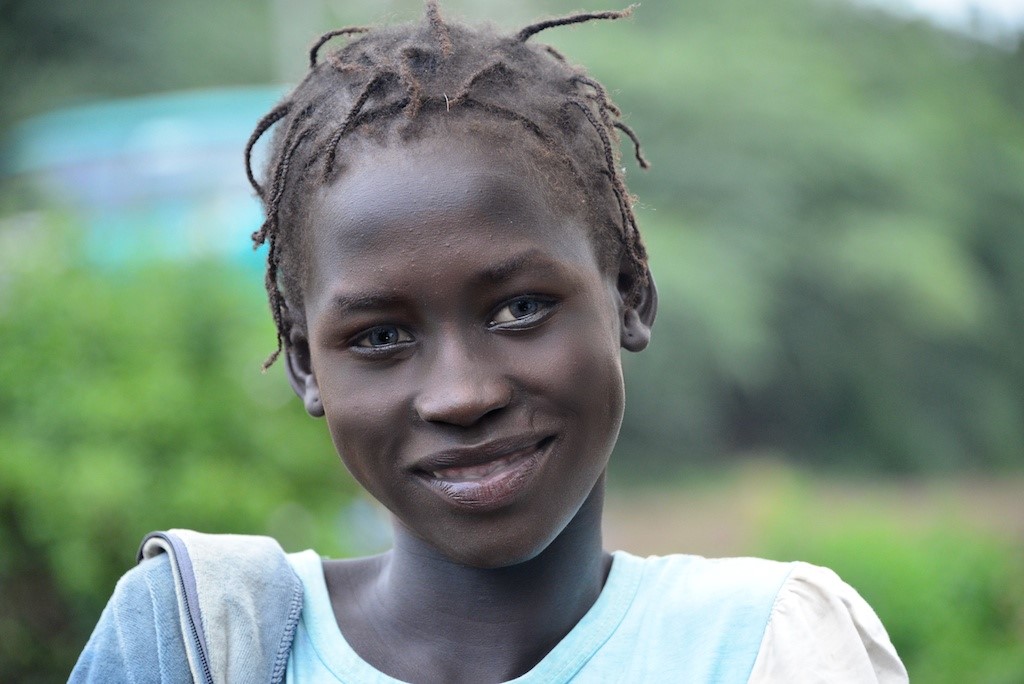
Genocide is the deliberate killing of a large group of people, and in a particular, an ethnic group. It is a barbaric tactic people sometimes use in an attempt to solve problems of unrest in a region. Unfortunately, human society has still committed this deplorable act in the 21st century. Here are five facts about the Ethiopian Genocide.
5 Facts About the 2003 Ethiopian Genocide
-
The Persecuted: The Anuak people are a minority ethnic group that occupies south-west Ethiopia and parts of South Sudan. The majority of the Ethiopian Anuak live in the Gambella forest region where they have hunted and cultivated agriculture for centuries. Contemporary Anuaks are evangelical Christians that still practice some tribal traditions within their tight-knit villages.
-
When the Genocide Happened: The Ethiopian Genocide happened on December 13, 2003. It is important to notice that this was not an isolated incident but a continuation of decades of racial discrimination. In 1979, the government seized Anuak land in order to have access to fertile grounds for farming in the name of economic expansion. The Ethiopian government then relocated peasants into the land over the next decade. Many Anuak fled the country throughout the 1990s in order to avoid further civil unrest. Over 2,000 of the Anuak settled in the United States and most settled in Minnesota through a refugee program. The 2003 Genocide was neither the beginning nor the end of their suffering. Raids that destroyed many villages drove 10,000 Anuak people out of their homes throughout the following year.
-
What Happened During the Genocide: Ethiopian soldiers carried out the massacre in conjunction with members from other local tribes. Ethiopian government absolved the military of any blame for the genocide, but eyewitnesses say that it was a coordinated attack. Eyewitness accounts said that soldiers raided Anuak homes, dragged out their residents and shot them. Meanwhile, members of other tribes were attacking the Anuak with machetes. The soldiers then burned down the houses. A survivor reported that they had collected 403 bodies by the end of the genocide. Anuak refugees in the United States received phone calls from their relatives reporting such events. The Ethiopian Federal Minister of the Gambella region tried to suppress the accusations, calling them fabrications. However, the World Organization Against Torture and Genocide Watch (WOATGW) has corroborated the reports in order to keep others from pushing them into obscurity.
-
The Reasons for the Genocide: There are no justifications for ethnic cleansing, but a vicious cycle of retribution killings can trigger catastrophic events. Tensions in the Gambella region were high. The Second Sudanese Civil War (1983-2005) displaced over 100,000 refugees onto Anuak land. Outbreaks of violence began to occur between the Anuak and these refugees, many of which were members of a rival tribe, the Nuer. The genocide commenced as a counter-attack against the Anuak people after Anuak gunmen allegedly ambushed a car containing eight government administrators.
-
The Anuak People Now: Ethiopia is making progress in the right direction to ensure that large scale violence and genocide will not be in its future. Ethiopian Prime Minister Dr. Abiy Ahmed, elected in April 2018, has since recognized that there have been abuses of power by Ethiopian security forces. In December 2018, the Anuaks of Ethiopia could publicly recognize the anniversary of the genocide for the first time.
Genocide is not an experience that many modern Americans can relate to. It appears as a relic of nearly a century ago. These five facts about the Ethiopian Genocide recognize and keep the memory of past violence alive in order to keep the violence from repeating again.
Photo: Flickr
