How Aquaponics in South Africa Could Solve Malnutrition
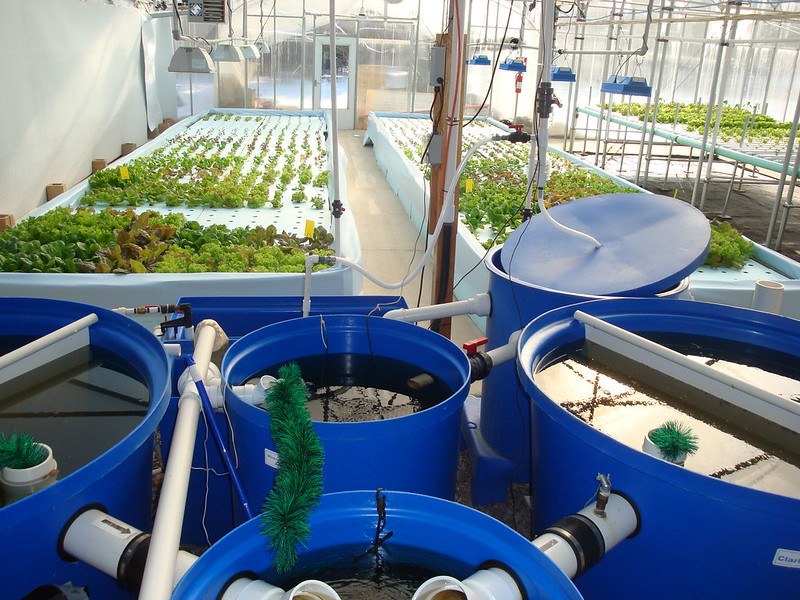
Aquaponics is an emerging, innovative and resilient method to raise both fish and vegetables concurrently without soil and with little water. Aquaponics combines conventional aquaculture (raising fish in tanks) and hydroponics (cultivating plants in water). The system imitates a natural wetland. The fish waste acts as a natural nutrient source for the plants and the plants filter the water. The water continues to cycle between both as the crops grow.
Aquaponics in South Africa
South Africa is currently experiencing drought conditions. Though aquaponics is new in South Africa, it has the potential of addressing food insecurity on a larger scale. It may serve as an alternative to traditional methods that are less environmentally sustainable. Growing crops traditionally requires fertile soil and large, consistent amounts of water. Traditional fishing leads to the depletion of fish in the ocean. With aquaponics, once the initial water supply enters the system, there is no need for additional water. The plants do not require soil. Climate conditions have little effect on the aquaponics system, though the fish may need a sustained warm temperature.
The installation of aquaponics can be on a large scale for market sale, or a small scale to feed a village. Even a small system can provide a surplus to sell for income beneficial to families living in poverty. Small-scale systems can be set up in a limited space, such as a backyard or a village common area. By 2018, 190 freshwater farms and 30 saltwater farms were in production in South Africa. Many farmers start small because of the start-up costs and may move to a larger system after developing their practice.
What Are the Benefits of Aquaponics?
Tilapia is the most common fish raised via aquaponics in South Africa. Leafy greens (lettuces) are the most common vegetables. Seventy-five percent of the aquaponics systems in South Africa serve the purpose of hobby farming or producing food for subsistence or human consumption, as opposed to producing for market sale.
Goals for those interested in expanding sustainability and food security with aquaponics in South Africa include raising awareness of the benefits and advancing the technology of small systems to improve production. Farmers practicing aquaponics need to develop an understanding of managing water quality, including pH, nitrogen and oxygen levels. Systems can be fully automated or semi-automated requiring more maintenance effort. Moreover, farmers may purchase fish food or use natural manure sources at no cost.
Aquaponics can grow other vegetables including tomatoes, herbs, peppers, cucumbers, carrots, peas and beans. Farmers can harvest plants after one to three months while the fish take 9-10 months to mature. Proponents state that the vegetables flourish and grow more quickly than a traditional garden.
Aquaponics in South Africa Could Help Solve Malnutrition
Aquaponics offers an essential option for those who are at risk of malnutrition, who experience poverty and those who do not have access to sufficient water for traditional farming or gardening practices. An aquaponics system can be set up in rural or urban areas. A basic setup may begin with two repurposed bathtub basins, a water pump and piping or gravel to hold the plants and a properly plumbed system for drainage and recycling of water.
The highly nutritious and organically raised fish and leafy green vegetables provide protein, vitamins and fiber. These high-value crops create a much better alternative to high-starch, low-nutrition foods which may be more readily available when food is scarce. As an added benefit, with a closed water system, no run-off pollutes the environment.
A Need for Funding
In order to continue to boost sustainability and food security goals via aquaponics in South Africa on a larger scale, farmers will need funding to develop the technologies. Scientists are currently studying which systems (tunnels and greenhouses) provide preferable temperatures for different types of fish considering the climate in South Africa.
Though South Africa’s agricultural department plays a role in aquaponics education, proponents ask that the government of South Africa include aquaponics in their agricultural policies so that they may assist with funding. In addition, there is a need for aquaponics education in secondary and tertiary schools to increase knowledge and understanding.
Farmers and entrepreneurs will continue to develop sustainability and food security with aquaponics in South Africa. Aquaponics may provide the solution to climatic variables such as drought. The potential of aquaponics draws fishermen who recognize the decline in fish as a wild resource. In addition, aquaponics eliminates reliance on soil, which becomes depleted of nutrients from overuse. Aquaponics provides highly nutritious food sources that will combat malnourishment in impoverished areas.
– Susan Niz
Photo: Flickr
