Malala Yousafzai Scholarship Act
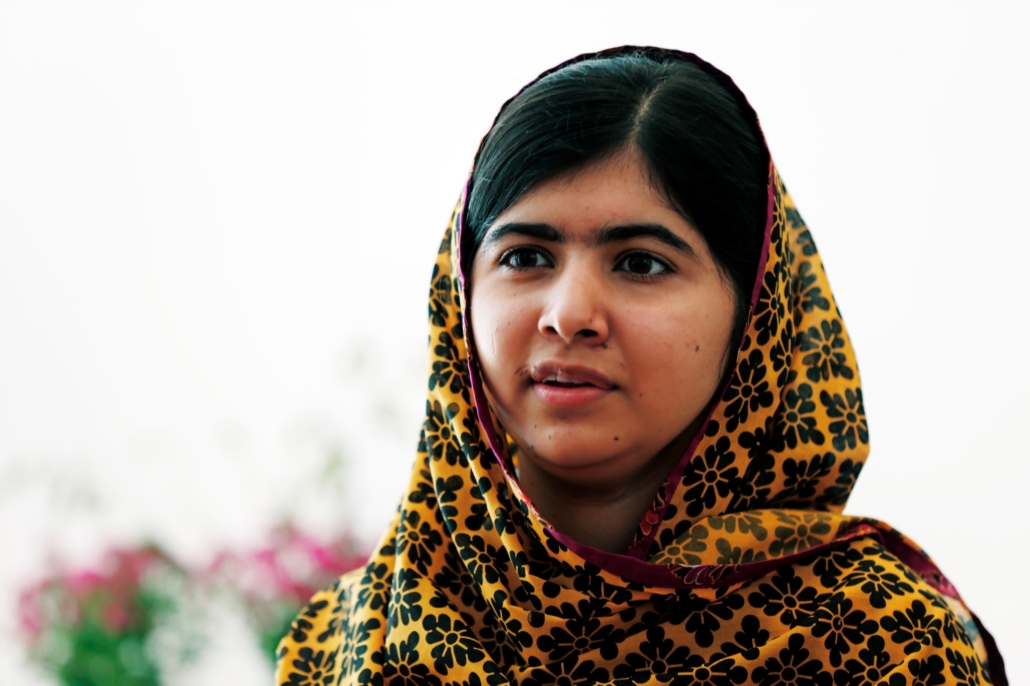
Malala Yousafzai is a Noble Peace Prize laureate. After surviving a Taliban encounter, she wrote the memoir, “I Am Malala.” She advocates for education and against discrimination.
On September 26, 2019, Hakeem Jeffries introduced the Malala Yousafzai Scholarship Act. Communities of Pakistan and the United States have aligned with Malala’s text, principles and initiatives while many support her opinions on terrorism and poverty. The Malala Yousafzai Scholarship Act intends to ensure that young adults and Pakistani students live without fear of discrimination, and can successfully garner an education.
The Malala Yousafzai Act
There are government programs that guide access to education throughout the diaspora communities of Pakistan. The Malala Yousafzai Scholarship Act is pushing for the United States Agency for International Development (USAID) to support education initiatives for all in Pakistan, but in particular, for women and children. In Pakistan, approximately 22.8 million children under 16 are not enrolled in school. There is a significant gender disparity too as boys tend to outnumber girls.
This is the main reason for the Malala Yousafzai Act and Congress intends to uphold the very nature of equality. The purpose of the bill is to enhance opportunities for women to obtain a scholarship. If the bill passes, USAID will leverage the number of scholarships available to women in Pakistan.
Rurally, Pakistani women face many obstacles. The development of health, nutrition and the overall labor force is a determinant in the education of women. Issues such as early marriage, transportation and societal pressures as housewives prevent women from enrolling in higher education. The World Bank states, “The benefits of education go beyond higher productivity for 50 percent of the population. More educated women also tend to be healthier, participate more in the formal labor market, earn more income, have fewer children, and provide better health care and education to their children, all of which eventually improve the well-being of all individuals and lift households out of poverty.”
The Malala Yousafzai Act continues to mitigate discrimination and gender inequality. Malala Yousafzai frequently discusses the war on terrorism and how violence is a harsh reality for the vast majority of Pakistani women. These women continue to face seclusion and exclusion on the basis of patriarchy. Terrorists actively threaten girls and women to remove them from advancement opportunities in higher education and the public sphere.
Conclusion
For her 16th birthday, at the United General Assembly, Malala said, “So let us wage a glorious struggle against illiteracy, poverty, and terrorism. Let us pick up our books and our pens. They are the most powerful weapons. One child, one teacher, one book, and one pen can change the world. Education is the only solution.”
Currently, Malala is a student at the University of Oxford. She is studying politics, economics and philosophy. She continues to engage with women from across the globe, inspiring emerging adults to voice opinions. Anyone can make a direct impact by sending an email to Congress via The Borgen Project. For more information on how to advocate for the bill, visit here.
– Zach Erlanger
Photo: Flickr
