Top 9 Facts About Hunger in Kiribati
Kiribati is a small island country located in the South Pacific between Hawaii and Australia. Thirty-three islands make up the nation, but people only inhabit 20 today. After receiving its independence in 1979, Kiribati began to focus on becoming a self-sufficient nation. However, with a growing population, heavy dependence on imports and reliance on income from overseas, the issue of hunger continues to grow. Here are the top nine facts about hunger in Kiribati.
Top 9 Facts About Hunger in Kiribati
- After an economic crisis in 2006, nearly 22% of Kiribati’s population was living in poverty. Though most of Kiribati’s people may not be going hungry, the lack of sufficient nutrition can affect a child’s development and growth, and the children could face a variety of health issues in the future. Of the 22%, 5% were living in extreme poverty. Simultaneously, the report conducted by Kiribati’s Department of Foreign Affairs and Trade considered 44% of the population vulnerable.
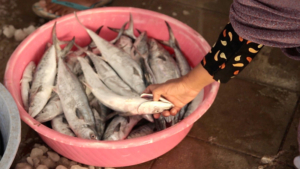
- Children are not the only ones at risk of hunger, as adults also face this issue. Without sufficient nutrition, adults risk underperforming while carrying out laborious tasks. With many fisheries throughout Kiribati and a lack of variety in food, hunger threatens to disrupt Kiribati’s top export market.
- According to Dr. Aurelie Delisle, an environmental social scientist, the villages “are restricted to fish, rice and taro.” However, on some islands, the diet is changing. In place of the traditional fish, leafy greens and root diet, islanders are turning to imported packaged foods. According to William Verity, these areas now face “some of the world’s worst rates of obesity and diabetes.”
- In 2012, the U.N. defined Kiribati as a Least Developed Country (LDC). Though Kiribati has met two of the three thresholds of criteria to graduate from LDC, its graduation has been postponed and another decision is expected to be handed down this year. One of the goals the Committee for Development Policy (CPD) has for LDC is to ensure food security.
- Nearly 50% of Kiribati’s population live on the outer islands of the Gilbert Group. According to the World Bank, the rising prices of importing food greatly affect Kiribati’s Outer Islands. Many families “spend 50% of their budget on food” since the country imports most of its food. Following previous efforts in Kiribati, the World Bank has financed a $20 million support plan for the Outer Islands to continue mounting protections against climate change’s impacts on agriculture and fresh water availability.
- From 2003 to 2018, the World Bank implemented the Kiribati Adaptation Program. This initiative improved the resilience of Islanders to protect against the impact of climate change on freshwater and buildings. It ensured safe drinking water and more efficient use of existing water collection systems.
- Much of Kiribati’s population is now dependent on imported foods. However, lack of access to imported goods, either by poverty or interruptions in the supply chain, means that residents must rely on agriculture. However, climate change has threatened the consistency of agriculture and made it difficult for common crops like copra and coconuts to grow.
- The Food and Agriculture Organization of the U.N. (FAO) is focusing its efforts on livestock and agriculture projects to enhance Kiribati’s food security. Furthermore, they train farmers with the information and techniques to produce nutritious, climate-change resistant foods to provide for the island nation’s population while retaining soil quality and water conservation.
- From 2014 to 2023, the International Fund for Agricultural Development took action through the Outer Island Food and Water Project (OIFWP). Focusing on the four outer islands of Abebama, Beru, North Tabiteuea and Nonouti, the OIFWP increased food availability through gardening and livestock, minimized the Islanders’ dependence on imported foods, increased income for poor families and reduced sickness due to unclean water. Around 25% of Kiribati participated in the project, which installed a total of 278 water systems throughout the islands.
The fear of flooding is always on the Kiribati people’s minds. In an early phase of the Kiribati Adaptation Program, participants installed systems that collect rainwater. According to the government water technician on the island of North Tarawa, there are around 50 water pumps. Ruteta, an islander who feared that children were becoming ill from the water, is “grateful because life is much simpler having rainwater.” This project ensures that Islanders have 24-hour access to fresh water.
These top nine facts about hunger in Kiribati demonstrate that hunger greatly impacts the Kiribati people’s well-being and persists even today. However, through humanitarian efforts and grants, Kiribati’s battle with hunger is one step closer to victory.
– Emily Beaver and Cole Zickwolff
Photo: Flickr
Updated: November 8, 2024
