100 percent Renewable Energy in Djibouti by 2035
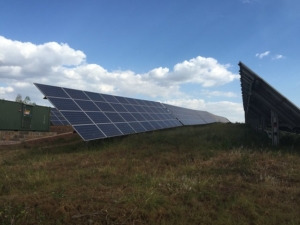
Djibouti, located in East Africa and bordered by Eritrea, Ethiopia and Somalia, has a population of nearly one million people. In 2013, Djibouti announced Vision 2035, a comprehensive plan to use exclusively renewable energy and achieve universal access to reliable electricity. If successful, Djibouti would become the seventh country in the world and the first African country to achieve 100 percent renewable energy.
Djibouti’s Energy Infrastructure Today
Right now, Djibouti faces several roadblocks in its path toward renewable energy. For example, much of Djibouti’s energy comes from volatile imports. Around 65 percent of Djibouti’s electricity comes from Ethiopia. According to the International Renewable Energy Agency (IRENA), this reliance on imported energy leads to price volatility that can hamstring economic development plans. Much of Djibouti’s remaining energy comes from its own geothermal, solar, wind and biomass sources. However, much of this electricity is unreliable. According to USAID, 100 megawatts of electricity that Djibouti consumes, only 57 megawatts are available to serve the population because of underdeveloped energy infrastructure. In addition, only 60 percent of Djiboutians have access to electricity. There is a large disparity in access between urban and rural areas, with far more city dwellers connected to the grid than those in rural areas. In total, 110,000 households in Djibouti without electricity.
Potential and Progress
Despite these hurdles, Djibouti has a remarkable potential to increase domestic renewable energy production. Djibouti has the natural capacity to produce 300 megawatts of renewable energy annually—triple what it produces today. The country has abundant solar radiation for the creation of solar farms and many opportunities to harvest geothermal energy, such as the rifts of its two largest lakes, Abbe and Assal.
Since the 2013 commencement of Vision 2035, much of this potential has been actualized. The creation of the Djibouti Geothermal Power Generation Project, a power plant in Lake Assal, was announced in 2013. In 2018, construction began after $50 million in funding was secured by the World Bank and other financiers. Moreover, a $390 million solar farm is under construction in southern Djibouti as a result of a public-private partnership between Djibouti’s Ministry of Energy and Natural Resources and Green Enesys, a German renewable energy firm. Djibouti is already beginning to reap the benefits of renewable energy investment projects. The World Bank reports a four percent increase in access to electricity from 2013 to 2017—the largest sustained increase in over two decades.
The Importance of Renewable Energy
There are many important benefits to Vision 2035 if it succeeds. Access to energy is essential to economic growth. The World Bank reports that reliable energy is critical for several aspects of development such as “health, education, food security, gender equality, livelihoods and poverty reduction.” Better electricity is vital for sustained progress in Djibouti.
Additionally, Vision 2035 offers a framework of sustainable development that maintains the integrity of Djibouti’s natural ecosystems. By harnessing energy from renewable sources, Djibouti can reduce poverty without depleting its forests or relying on imported coal or oil. By becoming the first African country to use 100 percent renewable energy, Djibouti has the opportunity to become a leading international voice in sustainable development.
– Abraham Rohrig
Photo: Flickr
