Development of Lebanon: National Economic Vision 2025
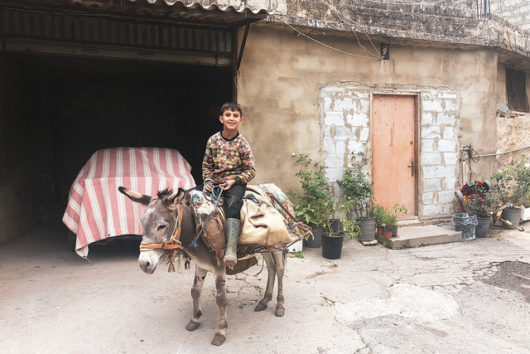
According to the 2018 Lebanon Economic Vision report, Lebanon’s economy has been stuck in a vicious cycle. Despite periods of prosperity, the economy has been highly unpredictable. Any substantial monetary influx is mostly channeled into less productive sectors and into financing a fiscally irresponsible administration. Combined with high levels of corruption and minimal legislative productivity, the resulting unhealthy business environment, second-rate infrastructure and poor development of Lebanon come as no surprise. Job creation and productivity are limited, hurting employment rates and continuing an economic cycle where no incremental wealth is generated. But can things change?
Power and Electricity
Lebanon has consistently ranked in the top four worst world nations in terms of quality of electricity supply. The country even ranked as the last in the world in this segment from 2012 to 2014. The main electricity producer, Electricité du Liban, is so inconsistent that citizens are forced to purchase a private generator or subscribe to a different network. This means paying the double cost for electricity, and those who cannot afford this are sometimes forced to go without it for hours. However, the Ministry of Economy has presented a plan called the National Economic Vision 2025 to reform this sector and other sectors once and for all. The country aims to shrink non-technical losses by 2025 and to become more reliant on sustainable and renewable resources which would seriously impact the development of Lebanon.
Health Care
The Lebanese health care system is considered to be the best in the region and on-par with European quality standards, a good indicator of the development of Lebanon. Citizens boast a high average life expectancy and low neonatal mortality rates, as around 7.5 percent of GDP is allocated to health care expenditures. Nonetheless, a significant portion of the Lebanese population remains uninsured because of low wages and high insurance rates.
This commonly forces citizens to pay out-of-pocket fees for medical services. Despite these factors, Lebanon is on track to improve coverage and performance under new governance by the Ministry of Public Health. Under this new leadership, the sector will be driven by evidence-based decisions for monetary compensation, meaning more fiscal support goes to hospitals and patients who need it.
Education in Lebanon
Lebanon continues to invest 7.6 percent of GDP on education, a sector that is growing faster than the base economy itself. The country has one of the highest literacy rates in the Arab world. Academia is the sixth largest employer in the country, with about 161,000 employees. Nonetheless, while Lebanese universities continue to hold a strong reputation, the performance of the primary and secondary education system is declining. To combat this, the National Economic Vision plan proposes updates and enforcement of curriculum standards at the primary and tertiary level. Promoting Lebanese universities to attract international students, and increasing technological investments into this sector are also key factors for this plan.
Agriculture
Lebanon has approximately 658,000 hectares of biodiverse agricultural land that ensures the production of more than 60 types of crops and over 10 livestock products. In 2016, the agricultural sector contributed about 3 percent to GDP, or about $1.5 billion. However, over the past decade, growth has been particularly stagnant. The use of land for low-value crops, competition from imports, poor infrastructure and development of Lebanon and limited support for good farming practices are all contributing factors. Nonetheless, a plan to prioritize crops with high export growth potential and to finance technology to modernize farming would offer this sector the stability it is lacking. A focus on sustainable water practices is also a key concern.
Industry
Industry is a top contributor to the Lebanese economy, accounting for 10 percent of GDP and employing around 194,000 people. However, between 2010 and 2016, the sector had a steep decline in productivity, reducing its contribution to GDP by about 2 percent every year. This devastating decline can be attributed mainly to the poor quality and consistency of power supply and an unhealthy business climate.
To combat this decline, plans to expand the international market by adopting and enforcing compliance with industry quality standards has been detailed by the National Economic Vision plan. In addition, investing in specific subsectors that play on the country’s strengths, like jewelry or pharmaceuticals, would help grow the sector as a whole and ensure redevelopment.
Lebanon has distinct economic and social characteristics that could successfully be harnessed for positive change. The National Economic Vision 2025 proposes not only tools for rectification, but also hope for a better future. Investing in infrastructure in Lebanon, enforcing new fiscal rules and increasing revenue would generate job opportunities and stabilize a once volatile economy. A proposed strategy and plan would offer Lebanon a chance to become the prosperous nation it once was and improve quality of life for all of its citizens.
– Natalie Abdou
Photo: Flickr
