Top 10 Facts About Poverty in the Maldives
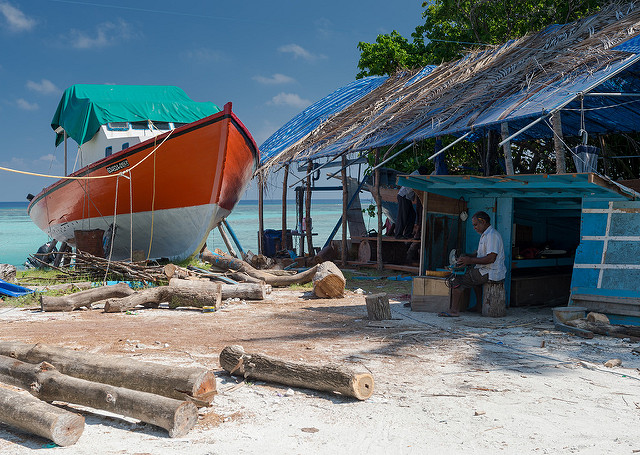
The South Asian island nation of the Maldives is famous worldwide for its pristine beaches, which attract more than one million tourists a year. While the Maldives may be famous for its luxurious accommodations, the country still struggles with poverty and diversified economic development. Below are the top 10 facts about poverty in the Maldives.
- Maldives’s economy has grown rapidly since it emphasized infrastructural development, offering many citizens hope for improved living standards. In 1980, the country’s gross domestic product (GDP) was merely $42.46 million. As of 2022, it has risen to an estimated GDP of $6.2 billion, ranking it one of the highest in the world.
- Although GDP has certainly increased in recent years, the rate of economic growth in the Maldives has fluctuated. In the beginning years of rapid development, the Maldives experienced as much as a 9% decrease in GDP due to political instability, global economic decline and a lack of a diversified economy.
- According to the International Labor Organization (ILO), in 2019, the service industry accounted for an estimated 72.6% of the Maldives’ GDP, while industry and agriculture comprise 19.1% and 8.3% of the GDP, respectively. Although the service industry contributes the most money to the Maldives’ economy, more than 25% of the country’s population work in agriculture and industry.
- The Maldives’ unemployment rate, at 4.2%, is low and job opportunities exist for the vast majority of the country’s population. Due to increased economic development in the service industry, the unemployment rate in the Maldives is projected to decrease continuously.
- Poverty rates in the Maldives have also steadily dropped as the economy of the country grows. In 2002, almost 23% of the population lived below the poverty line (defined as having anywhere between $1.90 and $3.10 a day). This number dropped to 5.4% in 2019, but poverty and hunger remain an issue in the Maldives. According to the United Nations Children’s Fund (UNICEF), approximately 17% of children in the Maldives are underweight.
- Life expectancy in the Maldives has significantly increased due to rapid infrastructure and economic growth. In 1960, the average lifespan in the country was about 37 years, which rose to 79 years in 2019.
- The Maldives’ adult literacy rate has increased to 98%. The literacy rate for young adults aged 15 to 24 is even higher, at 99%. Male and female literacy rates are relatively equal, at 100% and 99%, respectively.
- Nearly half of Maldivians (42% of the total population) live in urban conditions. Urbanization in the country is a result of a migration shift, as several Maldivians have shifted their place of residence, most to urban areas. This is most likely due to better work opportunities in the developed service industry.
- Issues with population density have arisen in the capital city of Malé, where about a third of the population resides.
- The United States Agency for International Development (USAID) has been partnering with the Maldives’ people and government for more than 20 years. The organization aims to strengthen democratic governance and public financial management in the Maldives. Between 2019 and 2023, USAID donated approximately $36 million to the Maldives, highlighting its commitment to supporting development initiatives in the region.
The Maldives has transformed its economy over the last few decades to become a luxury tourism hotspot. A drastic increase in the service industry, along with the small, albeit present, agricultural industry, has allowed the country to improve its standard of living. Although the economy has rapidly grown, poverty for some people in the Maldives remains a reality. With a more diversified economy and population density issue resolved on the island nation, poverty will continue to decrease in the Maldives.
– Matthew Cline
Photo: Flickr
Updated: May 27, 2024
