• Link to X
  • Link to Facebook
  • Link to Instagram
  • Link to TikTok
  • Link to Youtube
  • About
    • About Us
      • President
      • Board of Directors
      • Board of Advisors
      • Financials
      • Our Methodology
      • Success Tracker
      • Contact
  • Act Now
    • 30 Ways to Help
      • Email Congress
      • Call Congress
      • Volunteer
      • Courses & Certificates
      • Be a Donor
    • Internships
      • In-Office Internships
      • Remote Internships
    • Legislation
      • Politics 101
  • The Blog
  • The Podcast
  • Magazine
  • Donate
  • Click to open the search input field Click to open the search input field Search
  • Menu Menu
Blog - Latest News
Advocacy

$1.25 and Change: The Cost Of Living In The Developing World
coinage 3
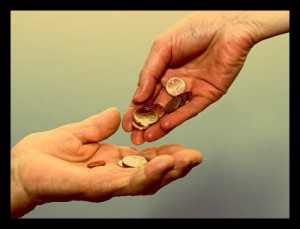
President Obama’s push to increase the national minimum wage to $9.00 has stirred up plenty of conversations lately. This has been a very divisive issue over which party lines are clearly drawn. Politicians, news anchors, lobbyists, and economists have been debating the importance of the possible change that $1.75 could make here at home. Here in my home state of Ohio, the increase would be $1.30. But, what could that bit of money do elsewhere?

The World Bank found that in 2008 about 1.4 billion people in the developing world depended on a cost of living of less than $1.25 and set this amount as the definitive worldwide poverty line. Roughly one in every four inhabitants of any given developing country is estimated to fall under this category. While that number has been dropping steadily over the past decade, it is still a frighteningly high number. So, what can you get for $1.25?

In Kenya your $1.25 could buy you:
-2 0.33 liter bottles of Coca-cola
or
-2 loaves of bread
or
-1 liter of gasoline

But forget luxury items like a dozen eggs, that run at a market low of $1.44. And with the cheapest transportation available you’d better need no more than two buses to get where you’re going since they will cost you $0.50 each way, and that’s a day without any food cost at all. You may think that the American dollar would buy more abroad but it is important to remember that the $1.25 line used to mark poverty level is based on the purchase power parity, or the relative price that the same grouping of goods would cost in different markets. Even with this in mind, my $1.79 cup of coffee that I’m drinking now would be more than unattainable for a person living below the poverty level.

So, keep in mind that $1.25 can make a difference. Thankfully, the number of people living in poverty is decreasing each year. With great effort, we can keep that trend going.

– Kevin Sullivan

Source: Numbeo, World Bank
Photo: 
Traditii Romania

February 27, 2013
Share this entry
  • Share on Facebook
  • Share on X
  • Share on WhatsApp
  • Share on Pinterest
  • Share on LinkedIn
  • Share on Tumblr
  • Share on Vk
  • Share on Reddit
  • Share by Mail
https://borgenproject.org/wp-content/uploads/borgen-project-logo.svg 0 0 Borgen Project https://borgenproject.org/wp-content/uploads/borgen-project-logo.svg Borgen Project2013-02-27 08:00:122024-06-04 01:07:52$1.25 and Change: The Cost Of Living In The Developing World

Get Smarter

  • Global Poverty 101
  • Global Poverty… The Good News
  • Global Poverty & U.S. Jobs
  • Global Poverty and National Security
  • Innovative Solutions to Poverty
  • Global Poverty & Aid FAQ’s
Search Search

Take Action

  • Call Congress
  • Email Congress
  • Donate
  • 30 Ways to Help
  • Volunteer Ops
  • Internships
  • Courses & Certificates
  • The Podcast
Borgen Project

“The Borgen Project is an incredible nonprofit organization that is addressing poverty and hunger and working towards ending them.”

-The Huffington Post

Inside The Borgen Project

  • Contact
  • About
  • Financials
  • President
  • Board of Directors
  • Board of Advisors

International Links

  • UK Email Parliament
  • UK Donate
  • Canada Email Parliament

Get Smarter

  • Global Poverty 101
  • Global Poverty… The Good News
  • Global Poverty & U.S. Jobs
  • Global Poverty and National Security
  • Innovative Solutions to Poverty
  • Global Poverty & Aid FAQ’s

Ways to Help

  • Call Congress
  • Email Congress
  • Donate
  • 30 Ways to Help
  • Volunteer Ops
  • Internships
  • Courses & Certificates
  • The Podcast
Link to: Revolutionary Rice Farming In India Link to: Revolutionary Rice Farming In India Revolutionary Rice Farming In India Link to: World Bank Recommends Involvement of South Sudanese Link to: World Bank Recommends Involvement of South Sudanese World Bank Recommends Involvement of South Sudanese
Scroll to top Scroll to top Scroll to top