People Behind the Purchase: Patagonia and Fair Trade USA
 Fair Trade Certified: recognized by most from a coffee package or chocolate bar. Farmers, however, are not the only workers that benefit from Fair Trade Certification. The disconnect between the source and purchase of a good is one that Fair Trade USA is working to connect.
What Do Patagonia and Fair Trade USA Do?
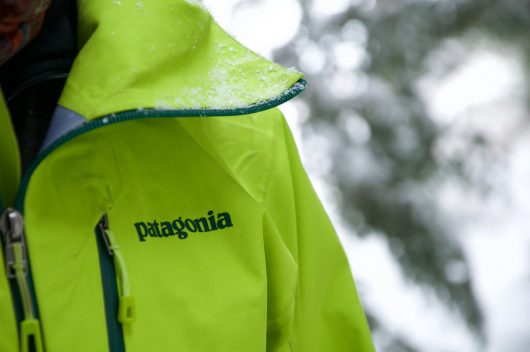
Patagonia is leading the apparel industry in support of Fair Trade Certified goods. Patagonia and Fair Trade USA have partnered to help over 42,000 workers improve their quality of life since 2014. A solid 75 percent of Fair Trade USA’s disbursements to workers come from business partners like Patagonia, while the other 25 percent comes from contributions from corporations and foundations.
The Patagonia and Fair Trade USA program involves Patagonia paying for use of the Fair Trade Certified label. The money goes directly to the workers making the apparel. Once the disbursement is received, the employees decide how to use it by vote. Over the years, workers who make Patagonia clothing have used their disbursements for household appliances as well as childcare and healthcare.
Examples of Fair Trade Benefits
At the Hirdaramani factory in Agalawatta, Sri Lanka, Fair Trade disbursements provided a free daycare facility for the worker’s children. This ensures that even workers with families continue to thrive.
In addition, the community chose to build a health and hygiene program that provides things like sanitary pads. The health program doubles as a safe space to talk about reproductive health, which is considered taboo in Sri Lankan culture.
In Mexico, 1,500 workers at Vertical Knits factory used their Fair Trade disbursement to buy bicycles and stoves, improving either their work commute or home life. VT Garment Co., Ltd.’s disbursement paid school tuition for 265 children in Thailand and provided a fun community day to celebrate the factories successes.
These partnerships alone improved the lives and communities of over 4,500 workers. According to Patagonia, other benefits of Fair Trade Certification include “maternity and paid leave, no child or forced labor, and additional money back to workers.”
Effects of Unfair Working Conditions
Although partnerships like Patagonia and Fair Trade USA provide endless benefits to workers’ physical and mental health, thousands of workers in the apparel industry continue to work in sweatshops where working conditions are unsafe and wages are not livable. According to War on Want, a worker’s rights charity organization, many are “working 14 to 16 hour days seven days a week.”
Fires and collapsing buildings killed hundreds of workers in 2012 as factories were unregulated. Soon after these incidents in Bangladesh, factories began implementing fire safety and building codes to ensure workers safety. Though improvements are being made, there are still millions of workers being underpaid and overworked in the garment industry.
How Fair Trade USA is Helping Workers
Currently, Fair Trade USA works with over 1,250 companies internationally, helping workers out of poverty by providing safe working conditions and livable wages. As explained in the 2017 Fair Trade Certified Quality Manual, “When shoppers choose Fair Trade Certified goods, they are able to vote with their dollar – supporting responsible companies, empowering farmers and workers and protecting the environment.”
By purchasing goods that are Fair Trade Certified, consumers are ensuring the betterment of the workers’ lives by providing access to things like healthcare, education and modern appliances. These things would not be accessible if not for programs like Fair Trade USA.
As abstract as it may seem, there are people behind every purchase. Continued support for organizations such as Patagonia and other Fair Trade Certified companies will change the lives of individuals and communities in monumental ways.
– Hope Kelly
Photo: Flickr
